Educational institutions in Noida face mounting pressure to modernize their operations. Manual processes consume valuable time and resources while limiting growth potential.
Institute Management Software in Noida offers a comprehensive solution. These systems automate administrative tasks and improve communication between stakeholders.
This guide explores everything about school management software. You will discover features, benefits, and how to select the best solution for your institution in Noida.
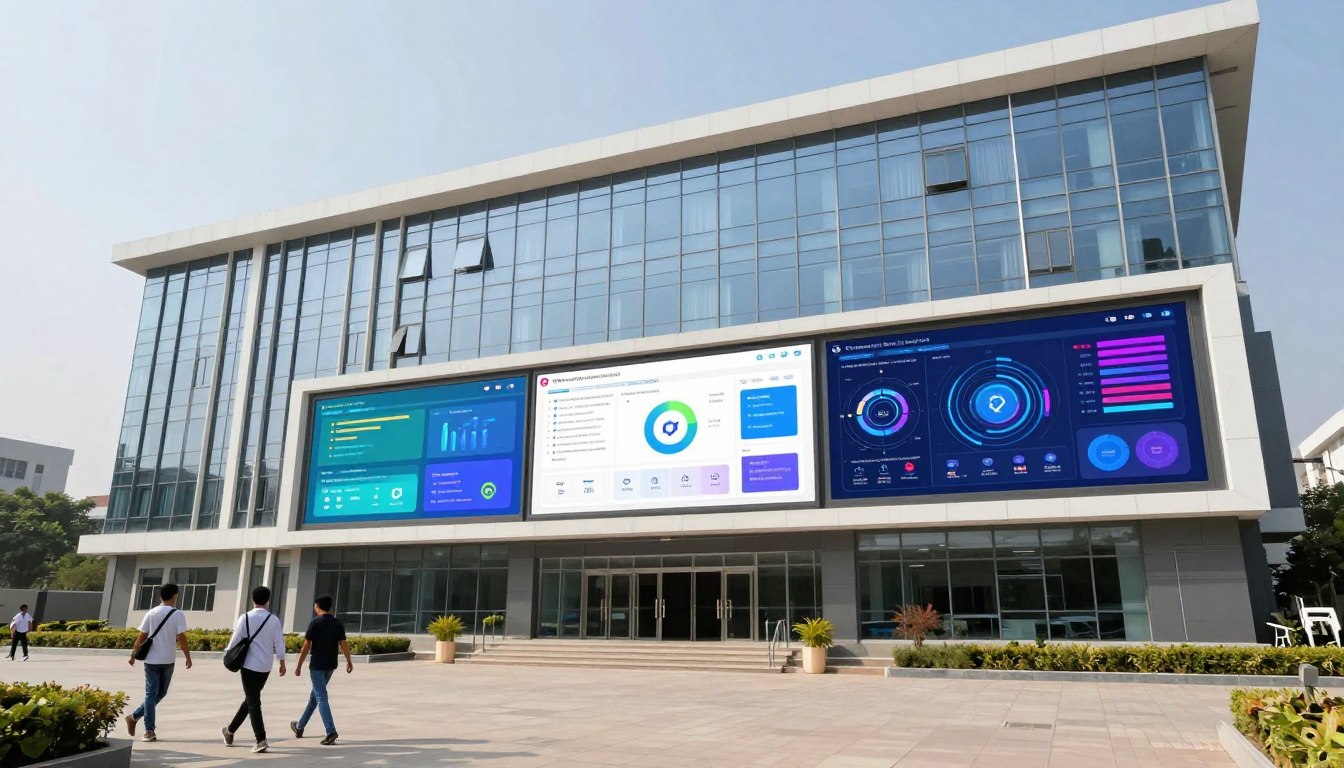
Join 500+ educational institutions in Noida using advanced management software. Get a personalized demo tailored to your specific requirements.
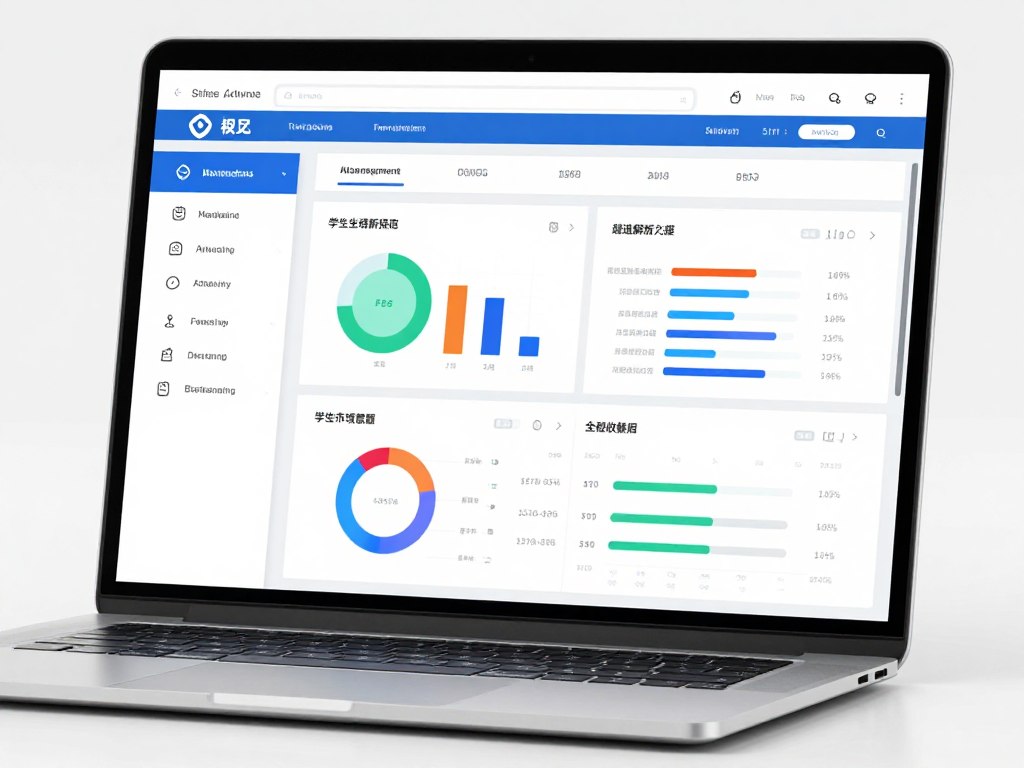
Institute Management Software represents a complete digital solution for educational organizations. This technology streamlines every aspect of school administration through integrated modules.
The management software school administrators use today replaces multiple disconnected systems. Modern platforms integrate student information, finance management, and communication tools into one unified system.
School ERP systems have become vital for educational institutions seeking efficiency. These platforms handle complex operations that manual methods cannot manage effectively.
The software helps institutions save countless hours previously spent on administrative tasks. Data accuracy improves dramatically when schools eliminate manual data entry errors.
Parents appreciate the transparency that management software brings to their child's education. Teachers gain more time to focus on instruction rather than paperwork.
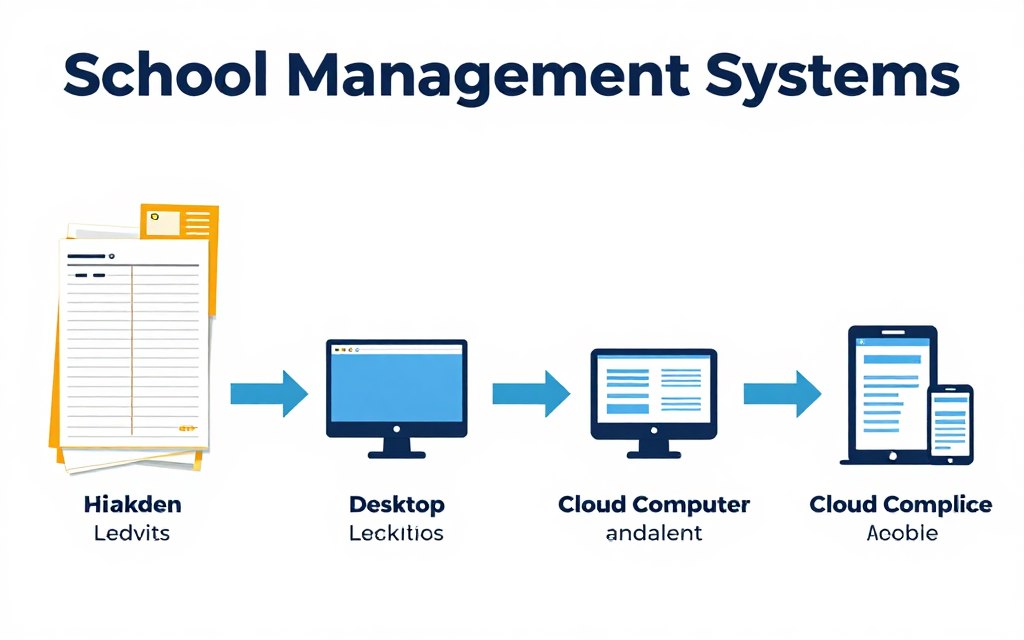
Noida's educational institutions have witnessed remarkable technological transformation over the past decade. Early adopters started with basic attendance software that tracked student presence.
The management system evolved to include fees management and basic communication features. Schools gradually recognized the need for comprehensive integrated solutions.
Today's institute ERP software encompasses every operational aspect of educational institutions. Cloud-based school platforms have replaced on-premise servers in most progressive schools.
The information system architecture now supports mobile access for all stakeholders. Parents can track their child's progress through dedicated mobile applications.
Modern school management software offers extensive functionality across multiple domains. Understanding these features helps institutions make informed decisions about implementation.
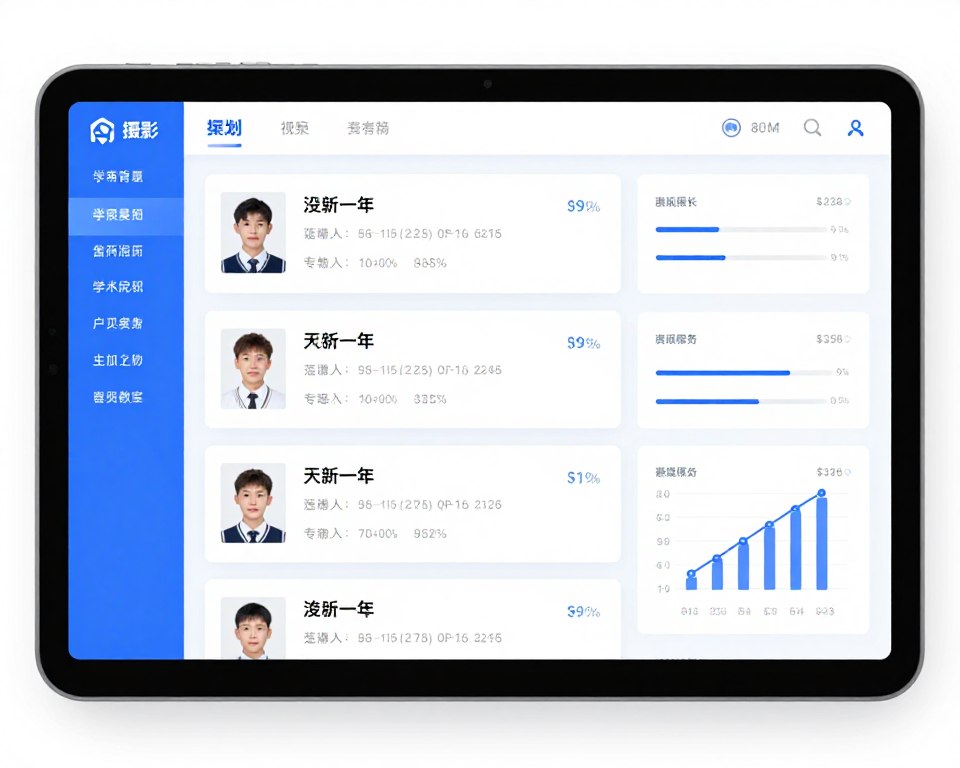
Student management forms the foundation of any school erp system. This module maintains comprehensive records for every student enrolled in the institution.
The software school administrators use tracks admission details, academic history, and personal information. Each student profile includes contact details, medical records, and parent information.
Management software helps schools organize students into classes, sections, and groups efficiently. The system automatically updates records when students progress to new academic levels.
Attendance management represents a critical function in school operations. Digital attendance systems eliminate paper registers and manual counting processes.
Teachers mark attendance through mobile app interfaces or web portals. The system sends instant notifications to parents when students are absent.
Management software generates comprehensive attendance reports for analysis. Schools can identify patterns and address chronic absenteeism proactively.

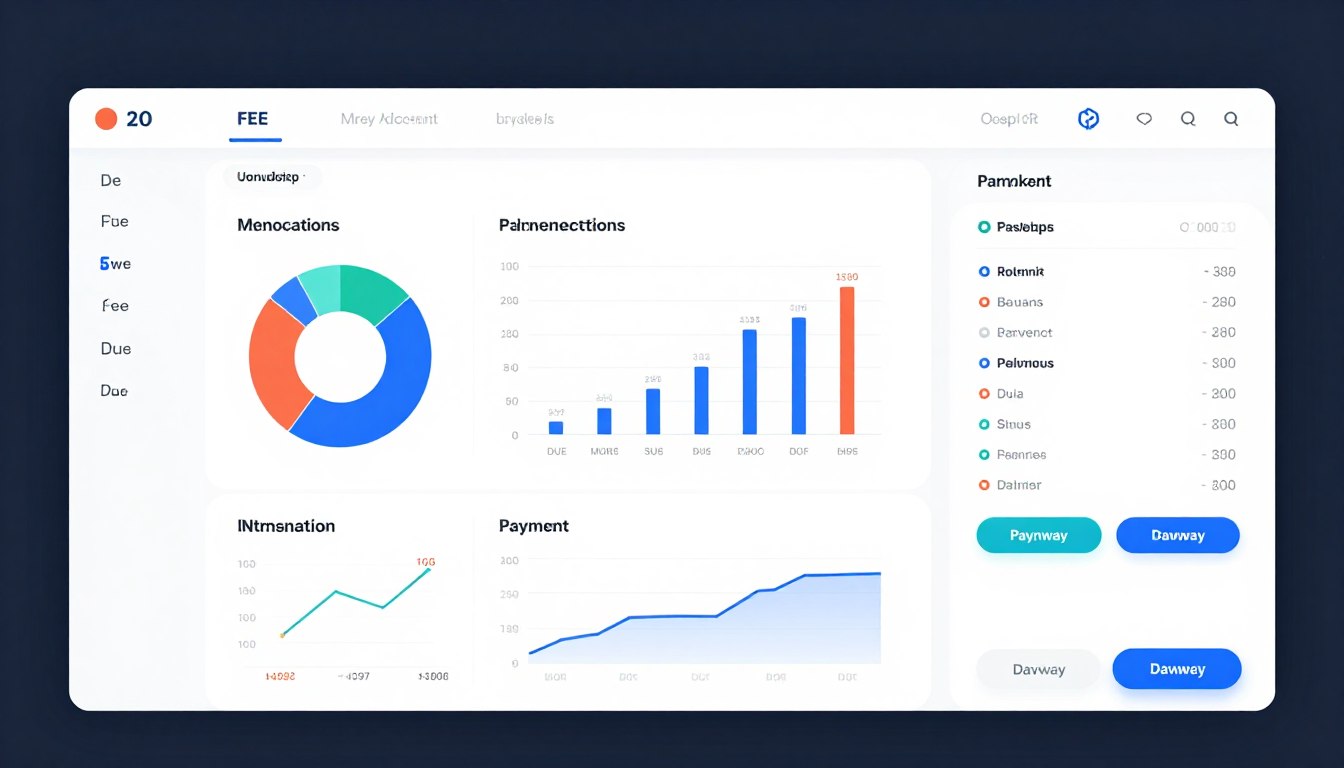
Fees management automation transforms how schools handle financial transactions. The online fee payment system reduces manual collection work significantly.
Finance management modules support multiple payment methods including online transactions. Parents can pay fees through credit cards, debit cards, and digital wallets.
The management software generates automatic receipts and payment confirmations. Fee reminders go out automatically before due dates to ensure timely collection.
Schools can define complex fee structures with multiple components and discounts. The system handles scholarship applications and fee concession management seamlessly.
School administration software centralizes all operational management tasks. The platform coordinates activities across different departments and teams.
Administrative staff manage timetables, exam schedules, and resource allocation through unified interfaces. The system ensures optimal utilization of classrooms, laboratories, and other facilities.
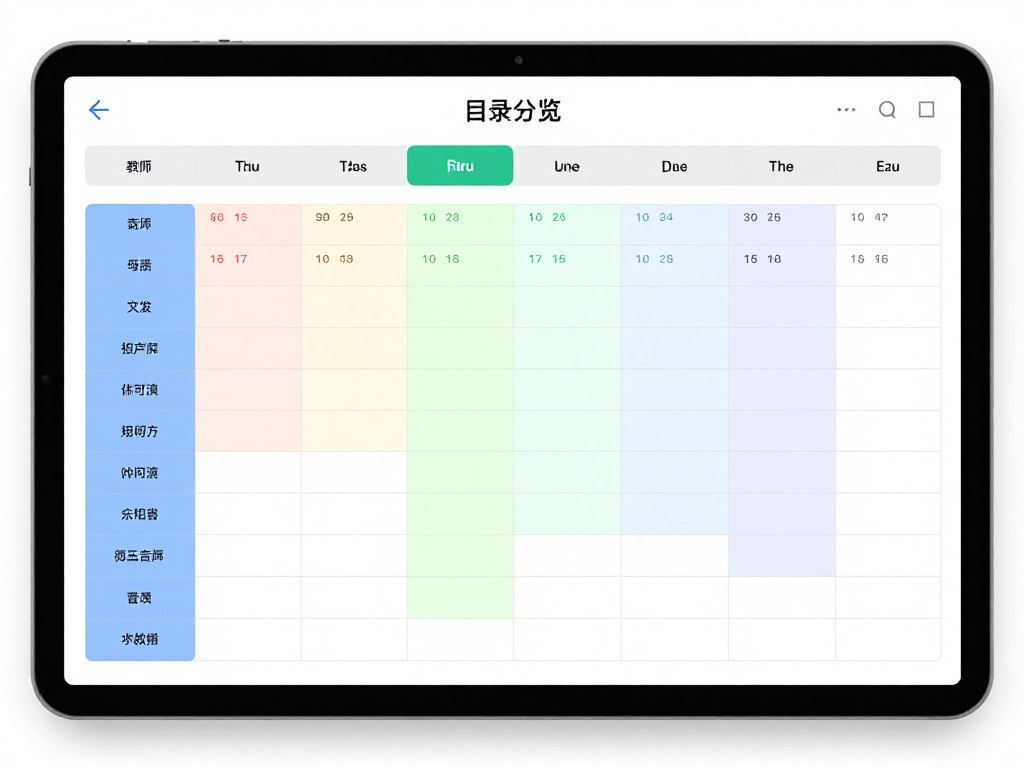
Academic planning becomes systematic with comprehensive management system tools. Schools create annual calendars, examination schedules, and holiday lists centrally.
The software helps teachers plan lessons and track curriculum completion. Assessment management tools support continuous evaluation and grading processes.
Communication features in management software bridge gaps between stakeholders. Instant messaging capabilities enable quick information exchange between teachers and parents.
Schools broadcast important announcements through SMS, email, and app notifications. Emergency alerts reach parents immediately during critical situations.
The management software maintains complete communication history for reference. Discussion forums facilitate collaboration among teachers and staff members.

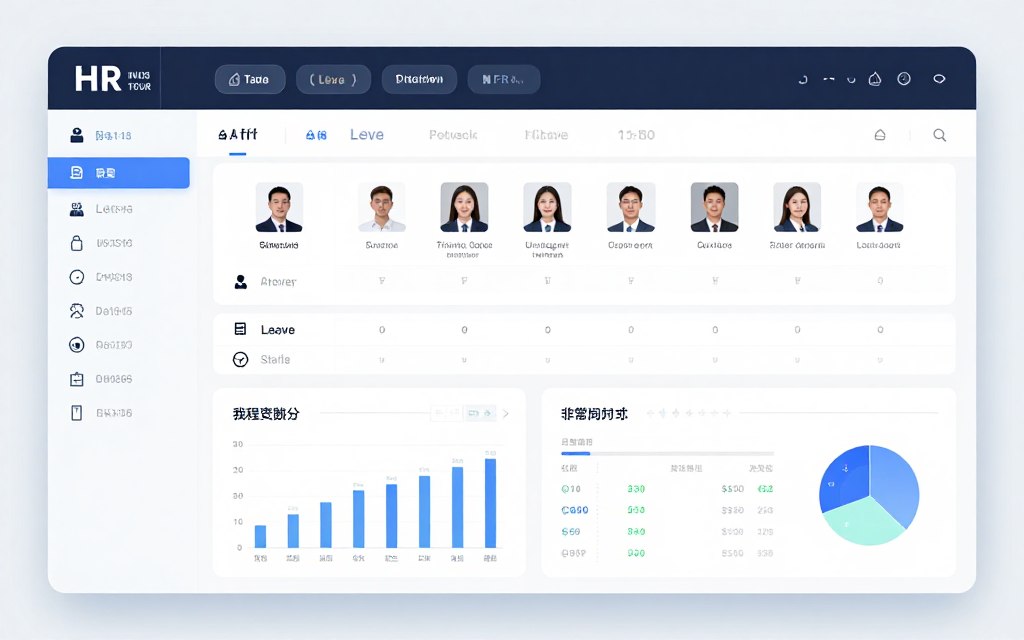
Staff management modules handle human resource operations comprehensively. The information system maintains detailed profiles for all teaching and non-teaching staff.
Payroll management automation calculates salaries based on attendance and leave data. The system generates salary slips and handles tax deduction computations automatically.
Leave management workflows allow staff to apply for leaves digitally. Administrators approve or reject requests through the system with complete audit trails.
Library management systems integrate seamlessly with the main school erp platform. Students and teachers can search the catalog and check book availability online.
The software tracks book issues, returns, and overdue items automatically. Fine calculations happen automatically based on configured rules.
Digital library features provide access to e-books and online resources. The system generates usage reports to help librarians make informed acquisition decisions.
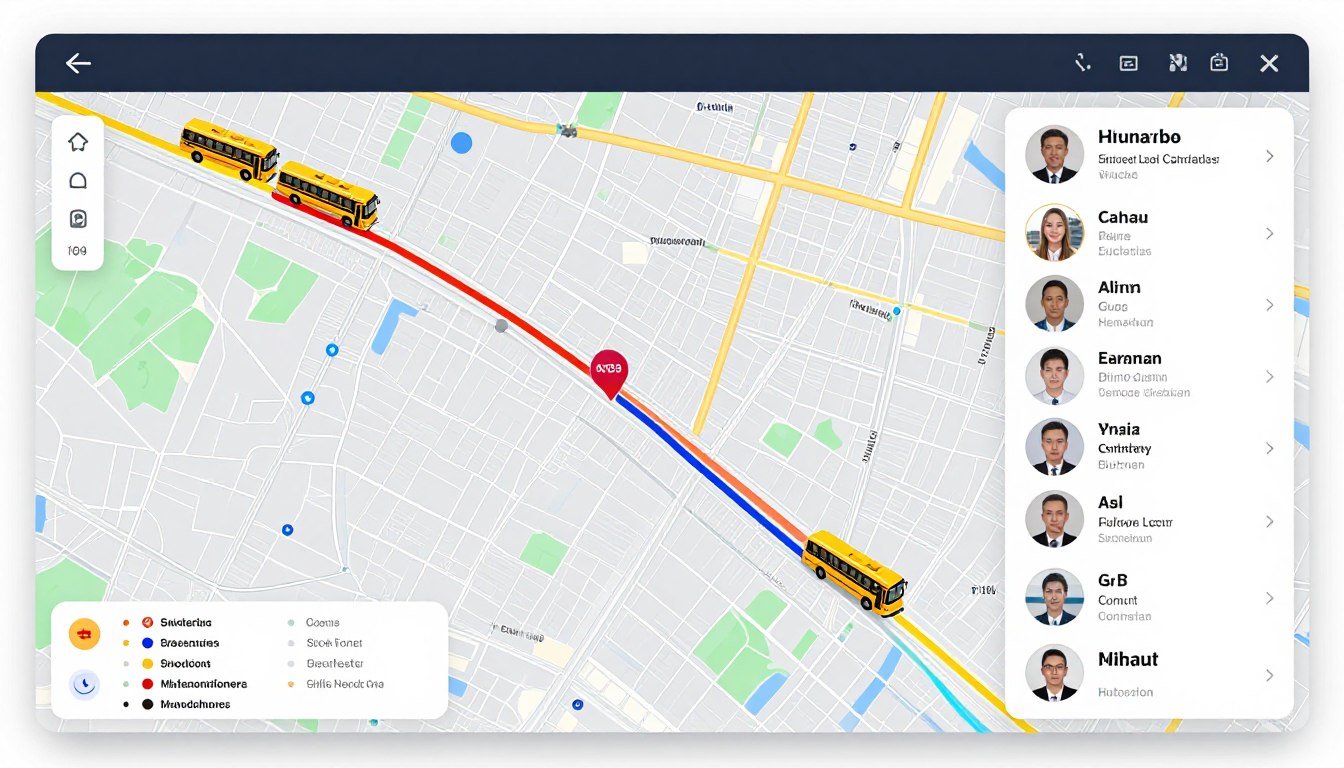
Transport management features help schools operate bus services efficiently. GPS tracking enables real-time monitoring of vehicle locations and routes.
Parents receive notifications when buses arrive at designated stops. The system manages route planning, driver assignments, and vehicle maintenance schedules.
Hostel management modules track room allotments and boarding student information. Mess management and visitor tracking features ensure comprehensive hostel operations.

Educational institutions gain substantial advantages when they adopt comprehensive management software. The transformation extends beyond simple automation to strategic operational improvements.
School operations become dramatically more efficient with automated systems in place. Staff members save hours daily by eliminating repetitive manual tasks.
Data entry requirements reduce significantly when information flows automatically between modules. Teachers spend less time on administrative work and more time teaching students.
The management software helps institutions process information much faster than traditional methods. Report generation that once took days now completes in minutes.

Information system security becomes robust with modern cloud-based school platforms. Data encryption protects sensitive student and staff information from unauthorized access.
Regular automated backups ensure information remains safe even during hardware failures. Role-based access controls limit data visibility based on user responsibilities.
The management software maintains detailed audit logs of all system activities. Compliance with data protection regulations becomes straightforward with built-in security features.

Parents stay connected with their children's education through dedicated mobile applications. Real-time updates on attendance, assignments, and performance keep families informed.
Communication between teachers and parents improves significantly with instant messaging features. Parent satisfaction increases when they gain transparency into daily school activities.
The app enables parents to participate actively in their child's learning journey. Fee payment convenience through online methods enhances the overall parent experience.
Data-driven decision making becomes possible with comprehensive reporting capabilities. School administration gains insights into every aspect of institutional performance.
Analytics dashboards present key performance indicators in visually appealing formats. Administrators identify trends, patterns, and areas requiring attention quickly.
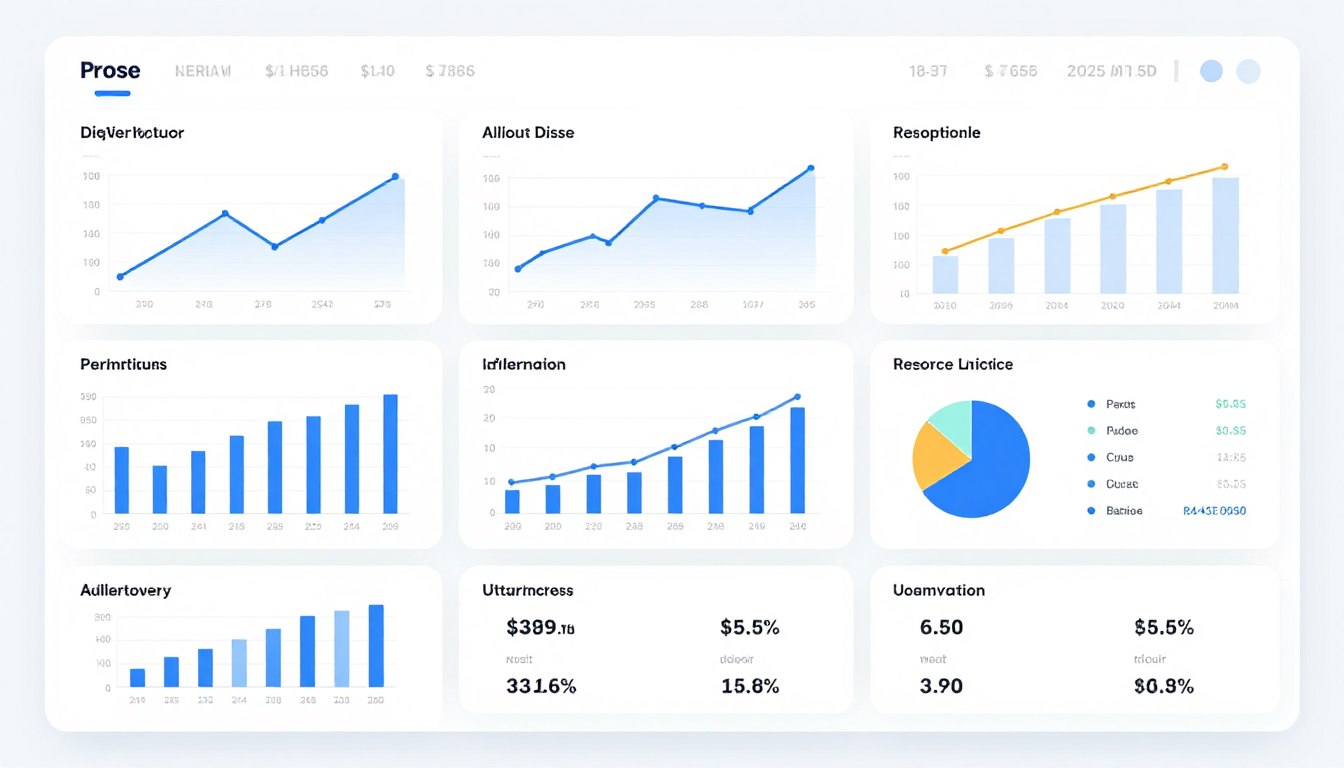
The management software helps schools make informed decisions about resource allocation. Predictive analytics can forecast enrollment trends and budget requirements.
Schools realize significant cost savings after implementing management software. Paper consumption drops dramatically when institutions digitize documentation processes.
Printing costs decrease as reports and communications move to digital formats. Staff productivity improvements mean institutions can handle more students with existing resources.
Management system platforms grow seamlessly with expanding institutions. Schools can add new branches, classes, and students without system limitations.
Cloud-based school solutions eliminate concerns about server capacity and storage. The software scales automatically to handle increased data and user volumes.
New features and modules integrate easily into existing systems. Multi-branch management becomes straightforward with centralized administrative control.
Discover how much time and money your institution can save. Get a personalized cost-benefit analysis based on your specific requirements.
Educational institutions can choose from various management software deployment models. Each solution type offers distinct advantages suited to different organizational needs.
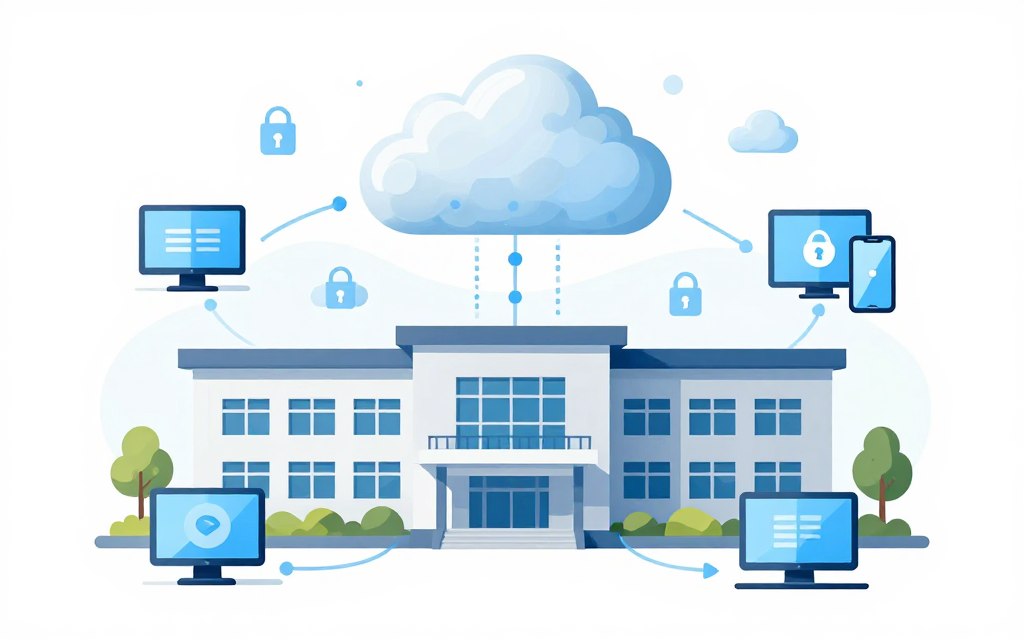
Cloud-based school erp solutions represent the most popular choice among modern institutions. These systems operate entirely through web browsers without requiring local software installation.
Schools access their data from anywhere with internet connectivity. Cloud platforms eliminate the need for expensive server infrastructure and IT maintenance staff.
Automatic updates ensure institutions always use the latest software version. The cloud provider handles security patches, backups, and system maintenance transparently.
On-premise systems install directly on school-owned servers and computers. These solutions suit institutions with strict data residency requirements or limited internet connectivity.
Schools maintain complete control over their data and system configuration. The institution's IT team manages all aspects of system maintenance and updates.
Higher upfront costs accompany on-premise deployments due to hardware requirements. Ongoing expenses include server maintenance, backup systems, and IT staff salaries.
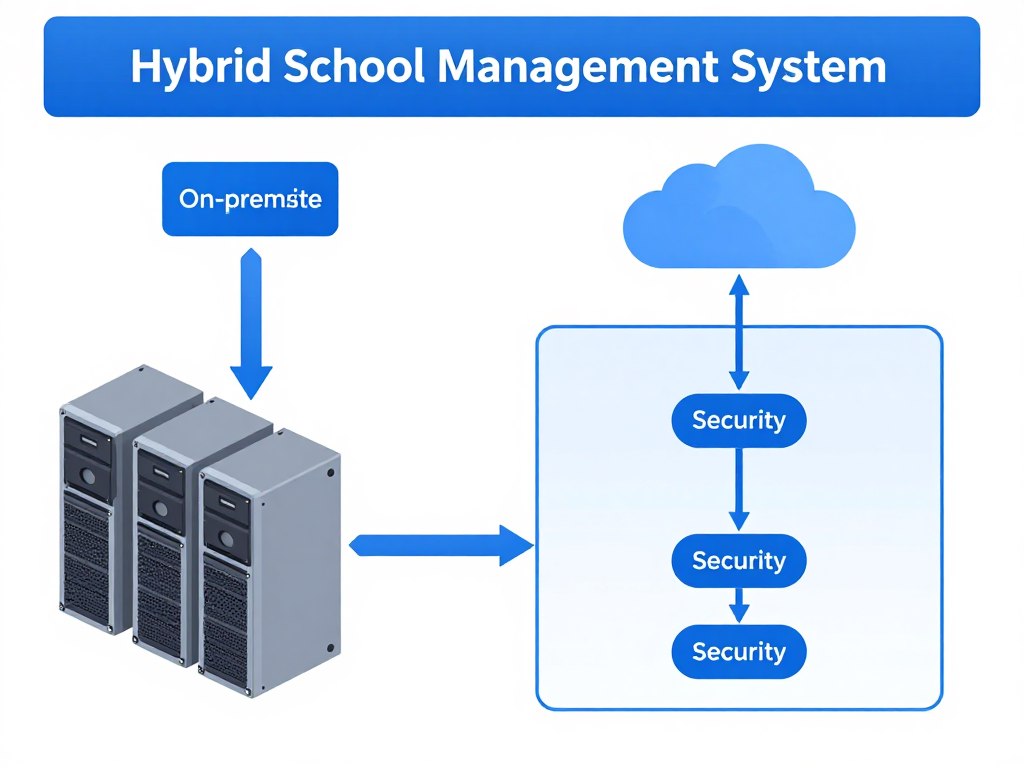
Hybrid solutions combine cloud and on-premise deployment models strategically. Critical data remains on local servers while less sensitive operations run in the cloud.
This approach offers flexibility for institutions transitioning from traditional systems. Schools can gradually migrate to full cloud adoption at their own pace.
Different educational organizations require customized management software solutions. The software best suited for schools may differ from coaching institute requirements.

Comprehensive solutions for K-12 schools with age-appropriate features and extensive parent engagement tools.
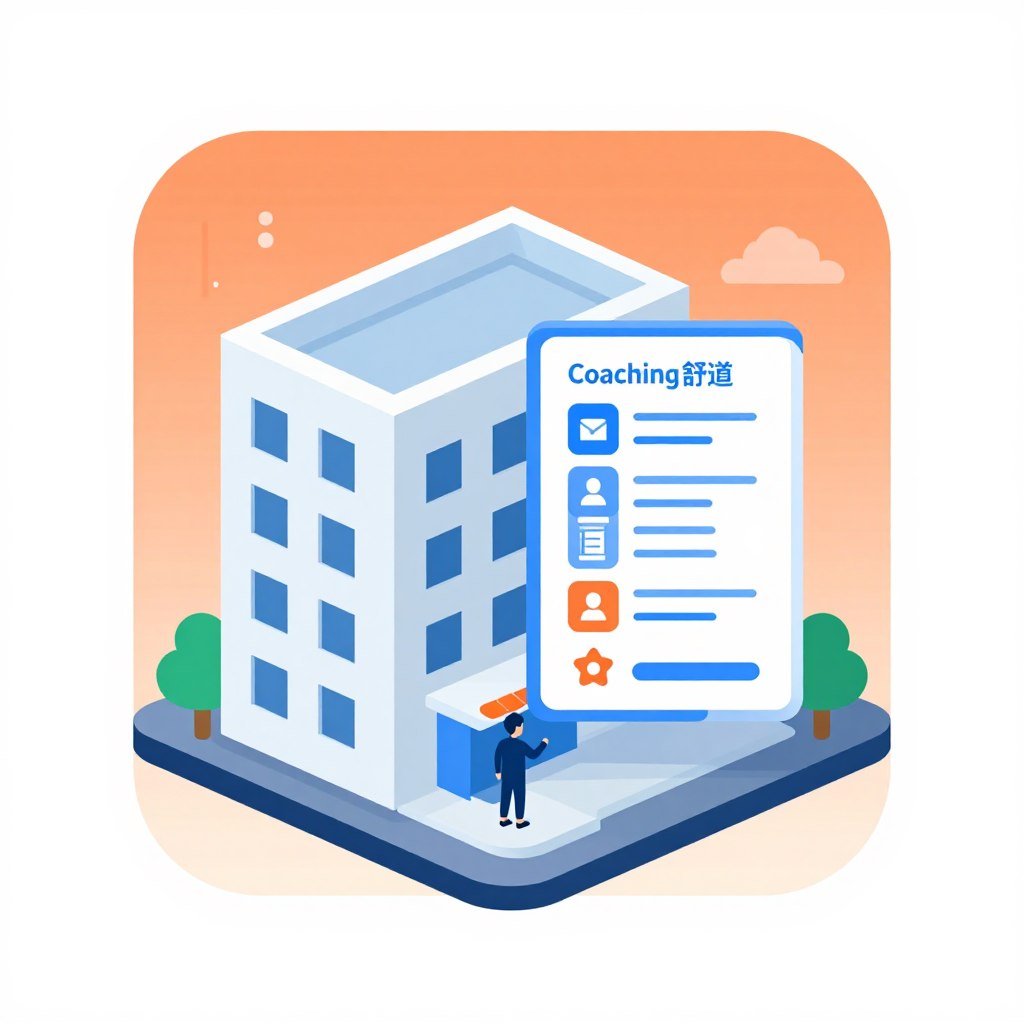
Specialized systems for coaching centers focusing on batch management, test series, and competitive exam preparation.
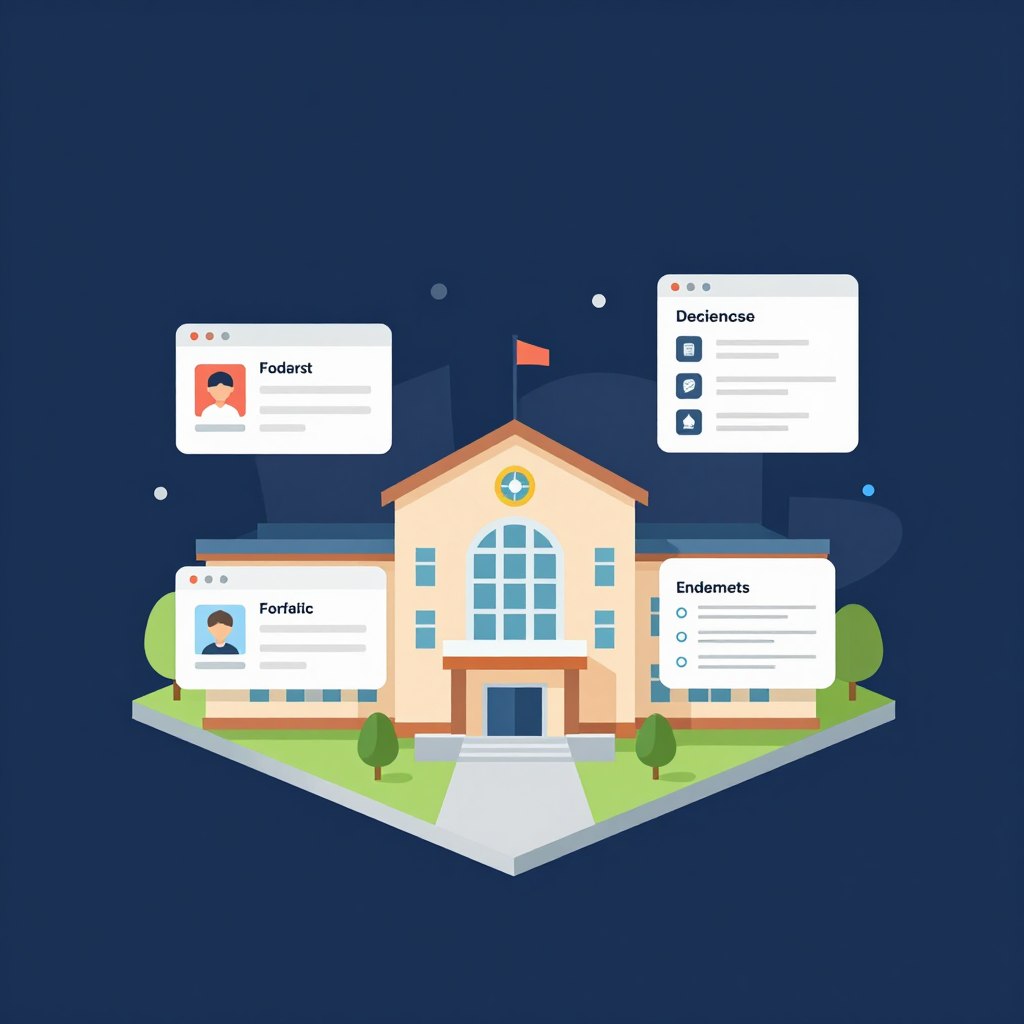
Advanced platforms for higher education with course selection, examination management, and placement tracking capabilities.
Training institutes require specialized features for professional skill development programs. Certificate course management and trainer scheduling need dedicated functionality.
The management software tracks corporate client relationships and training contracts. Customizable course catalogs accommodate varied training offerings.
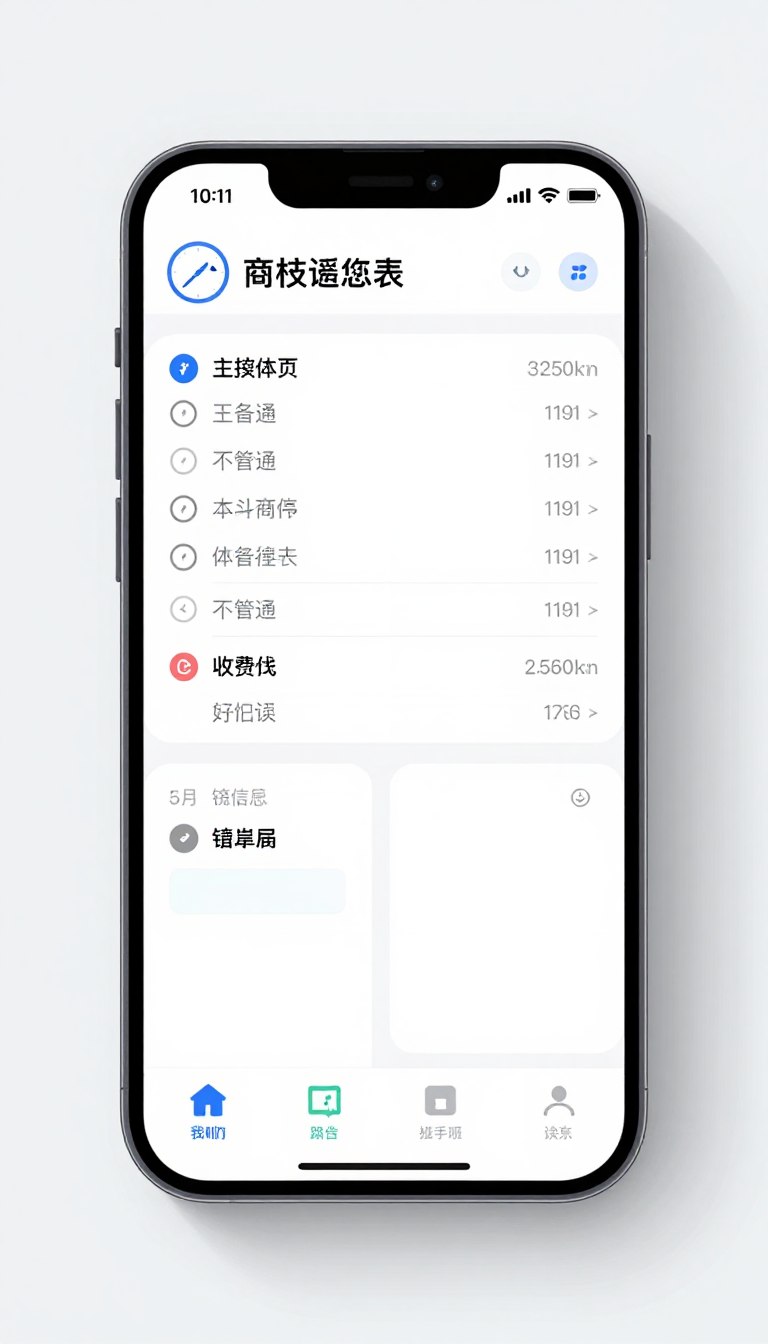
Mobile-first platforms prioritize smartphone and tablet experiences. These solutions recognize that parents and teachers primarily access systems through mobile devices.
Native mobile applications offer better performance and offline functionality. Push notifications keep users informed about important updates instantly.
The app provides simplified interfaces optimized for touch interaction. Parents appreciate the convenience of accessing information on-the-go.

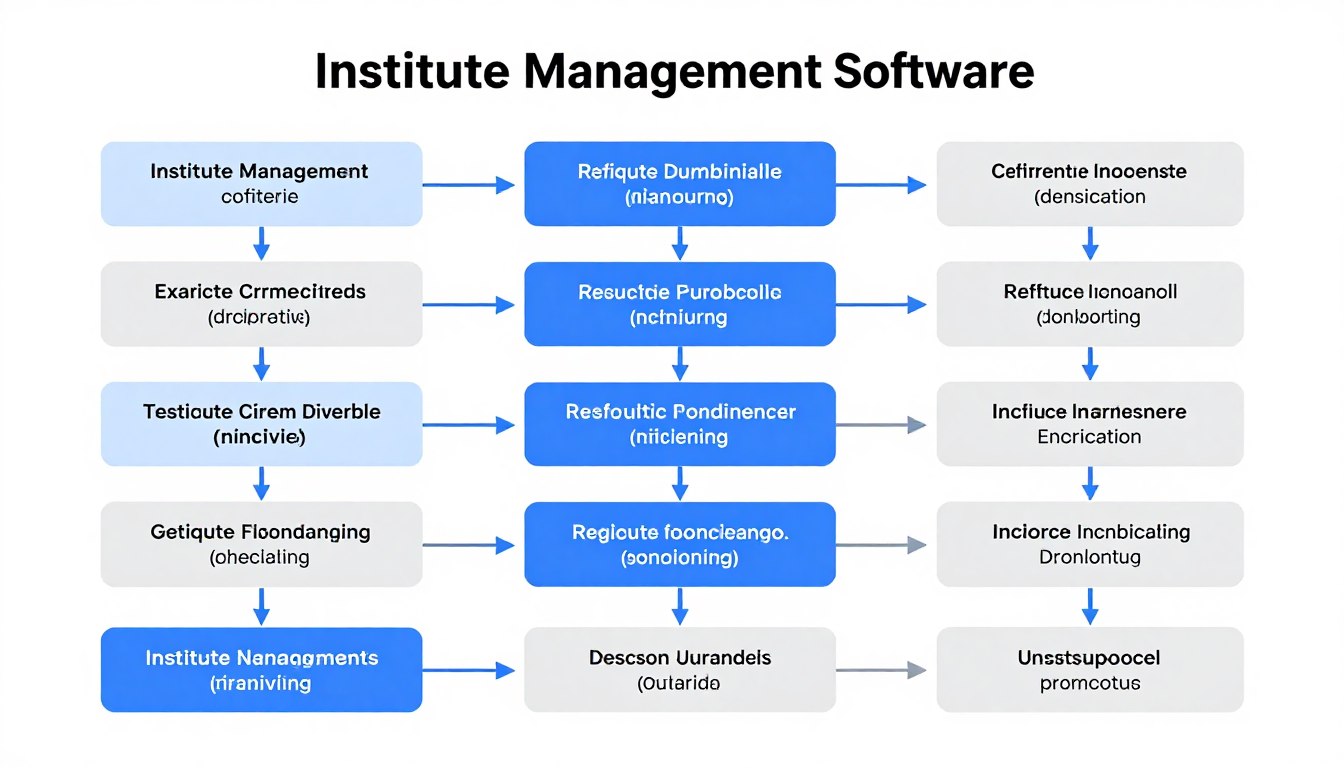
Selecting appropriate management software requires careful evaluation of multiple factors. The right choice depends on your institution's specific needs and circumstances.
Begin by documenting current processes and identifying pain points. Involve stakeholders from all departments to understand their specific needs.
Student count, staff size, and growth projections influence software selection. Schools planning expansion need scalable solutions that accommodate future needs.
Evaluate whether the software covers all essential operational areas your institution needs.
Assess the technical infrastructure requirements and compatibility with existing systems.
Research the software company's reputation, stability, and customer support quality.
Consider total cost of ownership including implementation, training, and ongoing expenses.
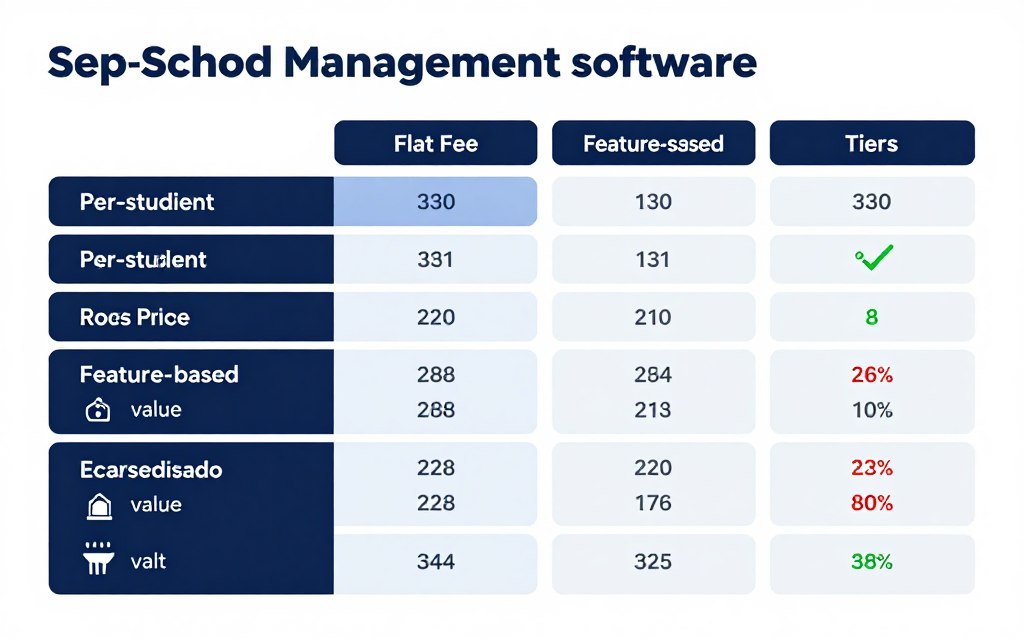
Management software vendors offer various pricing structures to suit different budgets. Understanding these models helps institutions make cost-effective decisions.
Per-student pricing charges based on total enrollment numbers. Annual subscriptions provide predictable costs with included updates and support.
Some vendors offer module-based pricing where schools pay only for features they need. Negotiating multi-year contracts often yields significant discounts.
Implementation success depends heavily on vendor support quality. Comprehensive training programs ensure staff adopt the new system effectively.
Check whether vendors offer on-site training or only online resources. Ongoing support availability during critical times like admission season proves vital.
Management software companies should provide dedicated account managers for enterprise clients. Response time guarantees for technical issues indicate support quality.
Data security must be a top priority when selecting school erp systems. Student and staff information requires protection from unauthorized access and breaches.
Verify that vendors comply with relevant data protection regulations. Encryption standards for data transmission and storage should meet industry requirements.
The information system should maintain comprehensive audit logs of all activities. Regular security audits and penetration testing indicate vendor commitment to security.
Modern management software must integrate seamlessly with other tools institutions use. Check compatibility with existing accounting software, learning management systems, and communication tools.
API availability enables custom integrations when needed. Schools using biometric attendance systems need software that supports hardware integration.
Request detailed product demonstrations before making final decisions. Hands-on trial periods allow staff to evaluate usability and features thoroughly.
Involve teachers, administrators, and parents in evaluation processes. Their feedback provides valuable insights into practical usability.
Test critical workflows during trial periods to ensure the software meets requirements. Check system performance under realistic load conditions.
Our education technology consultants will guide you through the selection process. Receive personalized recommendations based on your institution's specific needs.

Successful software implementation requires careful planning and execution. Following proven best practices minimizes disruption and maximizes adoption rates.
Create a detailed implementation roadmap with clear milestones and timelines. Assign a dedicated project team responsible for overseeing the deployment process.
The management software rollout should begin during low-activity periods. Summer breaks provide ideal implementation windows for schools.
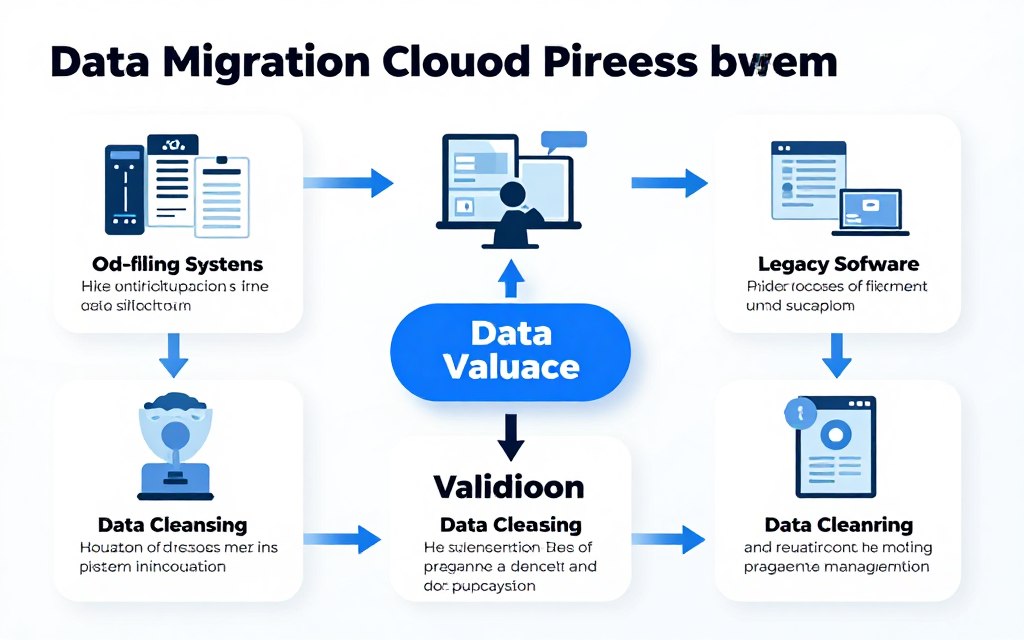
Migrating existing data accurately proves critical for implementation success. Clean data thoroughly before importing into the new system.
Start with a pilot migration using sample data to identify issues. Validate migrated information carefully before going live.
The management software vendor should provide migration tools and assistance. Plan for data verification procedures post-migration.
Comprehensive training ensures staff embrace the new school management system confidently. Tailor training programs to different user roles and technical skill levels.
Provide hands-on practice opportunities in sandbox environments. Create user guides and video tutorials for ongoing reference.

Consider phased implementation rather than switching everything simultaneously. Start with core modules before adding advanced features.
Pilot the system with a single department or grade level first. Use lessons learned to refine processes before full deployment.
Intensive support during initial weeks helps resolve issues quickly. Establish clear escalation procedures for technical problems.
Monitor system usage and identify areas where staff struggle. Provide additional training where adoption lags behind expectations.
The management software helps institutions only when used consistently. Celebrate early wins to build momentum and enthusiasm.

Noida hosts numerous school management software companies offering diverse solutions. This section highlights key players and their distinctive offerings.
Local software companies in Noida provide advantages of proximity and regional understanding. Quick on-site support and familiarity with local requirements benefit institutions.
National vendors bring extensive experience and proven track records across multiple states. Larger companies typically offer more robust features and resources.
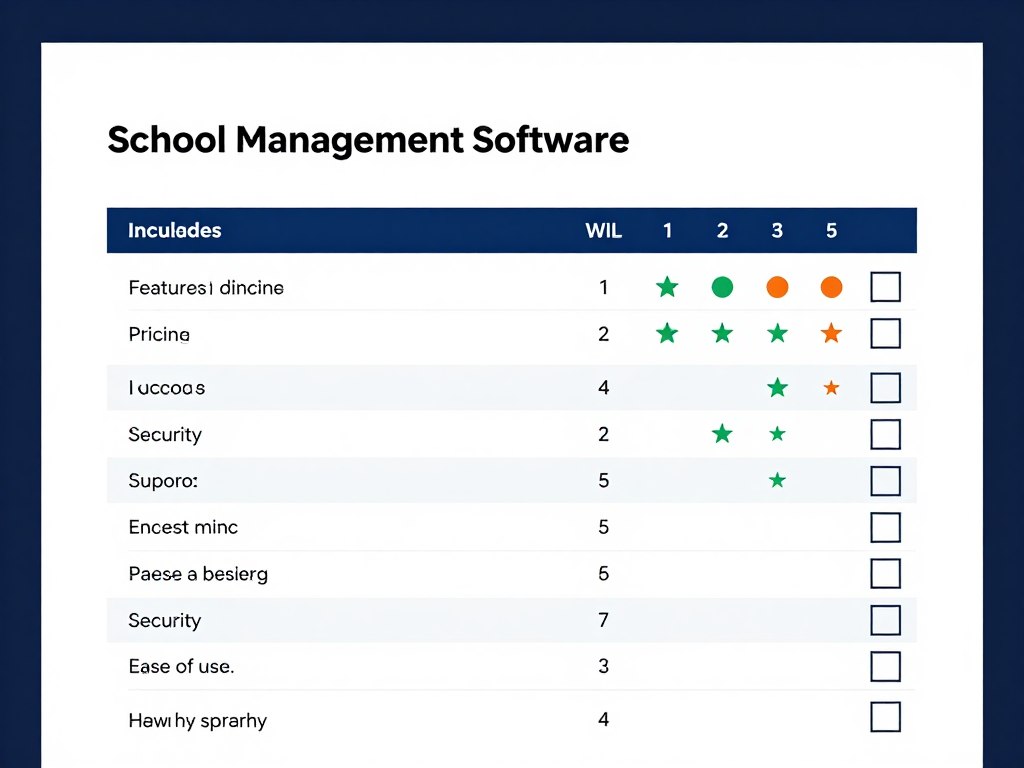
Compare vendors systematically using objective criteria relevant to your needs. Create a scoring matrix to evaluate multiple options fairly.
Request client references from similar institutions in Noida. Site visits to current client schools provide valuable firsthand insights.
Management software demonstrations should cover your specific use cases. Ask vendors to show how their system handles your unique requirements.
| Evaluation Factor | Weight | What to Assess | Red Flags |
|---|---|---|---|
| Features & Functionality | 30% | Module coverage, customization options, user interface quality | Missing critical features, rigid system, outdated interface |
| Pricing & Value | 25% | Total cost of ownership, pricing transparency, hidden fees | Unclear pricing, excessive customization charges, surprise costs |
| Support & Service | 20% | Response times, support channels, training quality | Limited support hours, no local presence, poor responsiveness |
| Technology & Security | 15% | Infrastructure reliability, security measures, data backups | Frequent downtime, weak security, no backup plan |
| Vendor Reputation | 10% | Client testimonials, market presence, financial stability | Negative reviews, high churn rate, unclear company status |

Educational technology continues evolving rapidly with emerging innovations. Understanding future trends helps institutions make forward-looking software investments.
AI integration transforms how management software analyzes student data. Predictive analytics identify students at risk of falling behind academically.
Intelligent chatbots answer parent queries automatically outside office hours. Machine learning algorithms personalize learning recommendations for individual students.
The management software helps teachers by automating routine grading tasks. AI-powered insights guide data-driven decision making across school operations.
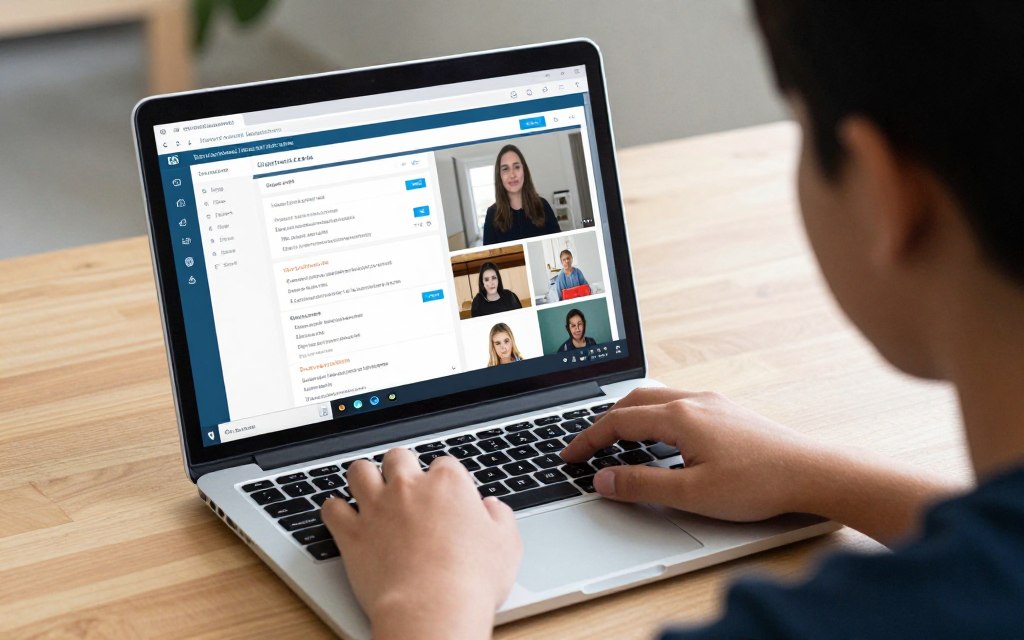
School management system platforms increasingly integrate with online learning tools. Seamless connections between administrative and learning systems improve student experiences.
Virtual classroom capabilities built into management software became essential during recent times. These features continue evolving to support hybrid learning models.
Business intelligence tools provide deeper insights into institutional performance. Visual dashboards present complex data in easily understandable formats.
Predictive analytics help schools forecast enrollment trends and resource requirements. Real-time reporting enables quick response to emerging issues.
Connected devices enhance school operations through automated data collection. Smart attendance systems using facial recognition eliminate manual marking.
IoT sensors monitor facility conditions like temperature and air quality. Connected security systems integrate with management software for comprehensive campus safety.

Blockchain technology promises tamper-proof academic record management. Digital certificates verified on blockchain prevent credential fraud.
Students can share verified credentials instantly with employers and universities. This technology simplifies transcript requests and verification processes.
Mobile-first design becomes standard rather than afterthought. Progressive web apps offer app-like experiences without installation requirements.
Voice-enabled interfaces allow hands-free interaction with school erp systems. Augmented reality features enhance parent engagement and virtual campus tours.

Real-world examples demonstrate the transformative impact of management software implementation. These success stories from Noida institutions provide valuable insights.
A prominent school chain with five branches in Noida implemented comprehensive school erp software. Their previous manual processes created consistency issues across locations.
The school management system unified operations across all branches. Centralized administration gained real-time visibility into every location's performance.

A competitive exam coaching institute in Noida struggled with batch management complexity. Managing hundreds of students across multiple batches overwhelmed their staff.
Specialized coaching management software automated batch allocation and test scheduling. The system tracked individual student performance across thousands of practice tests.
Within six months, the institute increased batch capacity by 50% without additional staff. Student performance improved due to personalized attention enabled by data analytics.
A private college with 3000 students implemented comprehensive college management software. Their goal was streamlining examination processes and course registration.
The management software reduced examination processing time from weeks to days. Online course registration eliminated long queues during enrollment periods.
Faculty appreciated the reduced administrative burden and improved time for teaching. The system's analytics helped identify courses needing curriculum updates.

Institutions often encounter predictable obstacles during software implementation. Understanding these challenges and their solutions ensures smoother transitions.
Staff resistance represents the most common implementation challenge. Long-time employees comfortable with manual processes may resist new technology.
Address resistance through transparent communication about benefits. Involve resistant staff members in planning processes to gain their buy-in.
The management software helps everyone work more efficiently when properly adopted. Demonstrate quick wins early to build confidence and momentum.
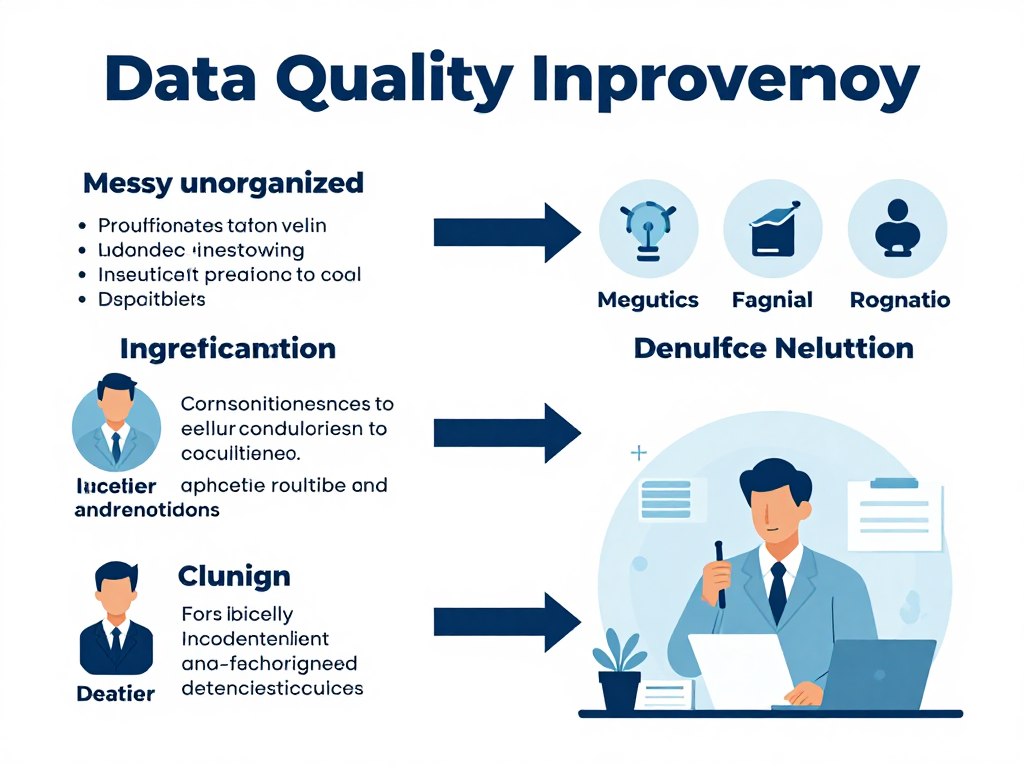
Poor data quality undermines the school management system effectiveness. Incomplete or inaccurate data creates problems immediately after migration.
Conduct thorough data cleaning before migration begins. Establish data quality standards and validation rules in the new system.
Regular data audits maintain information accuracy over time. The information system should prevent invalid data entry through proper validation.
Connecting management software with existing systems sometimes proves problematic. Legacy systems may lack modern integration capabilities.
Work with vendors to develop custom integration solutions when needed. Consider replacing outdated systems that cannot integrate properly.
Limited budgets prevent many institutions from implementing comprehensive solutions. Explore phased implementation approaches that spread costs over time.
Start with core modules and add features as budget allows. Many vendors offer flexible payment plans accommodating budget limitations.

Inadequate internet bandwidth or outdated hardware hampers software performance. Assess infrastructure requirements before implementation begins.
Upgrade network infrastructure if needed to support cloud-based school platforms. Ensure backup internet connectivity for uninterrupted operations.
Getting all stakeholders to actively use the system requires ongoing effort. Monitor usage patterns and identify areas with low adoption.
Gamification elements can encourage regular system usage. Regular refresher training sessions maintain skills and introduce new features.
Educational institutions handle sensitive personal information requiring robust protection. Security and compliance cannot be afterthoughts in management software selection.
Schools collect extensive personal data about students, parents, and staff. This information system data requires protection under privacy regulations.
Indian data protection laws impose obligations on educational institutions. Management software must support compliance with these legal requirements.
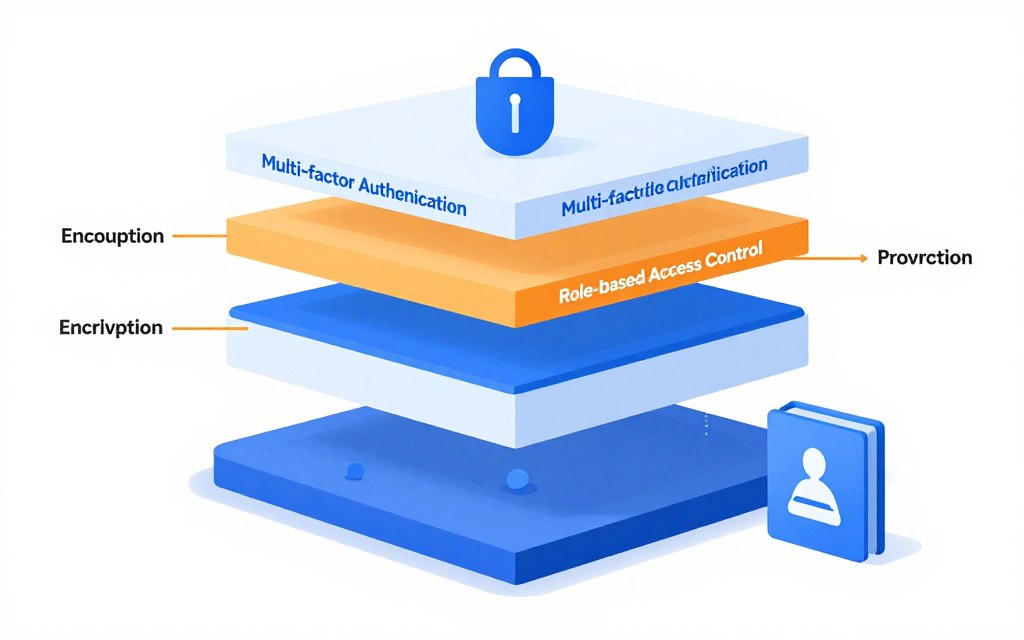
Comprehensive security measures protect data from various threats. The school management software must implement multiple security layers.
Data encryption protects information during transmission and storage. Role-based access controls ensure users see only authorized information.
Regular security audits identify vulnerabilities before exploitation. The management software should log all access and modifications for audit purposes.
Educational institutions must comply with various regulatory requirements. The information system should facilitate rather than hinder compliance.
Audit trails document who accessed what data and when. This transparency proves essential during compliance audits and investigations.
Data retention policies ensure information disposal according to regulations. The management software should automate retention rule enforcement.
Despite best precautions, security incidents may occur. Having response plans ready minimizes damage and speeds recovery.
Vendor security incident response capabilities require evaluation. Understand how quickly they detect and respond to security events.
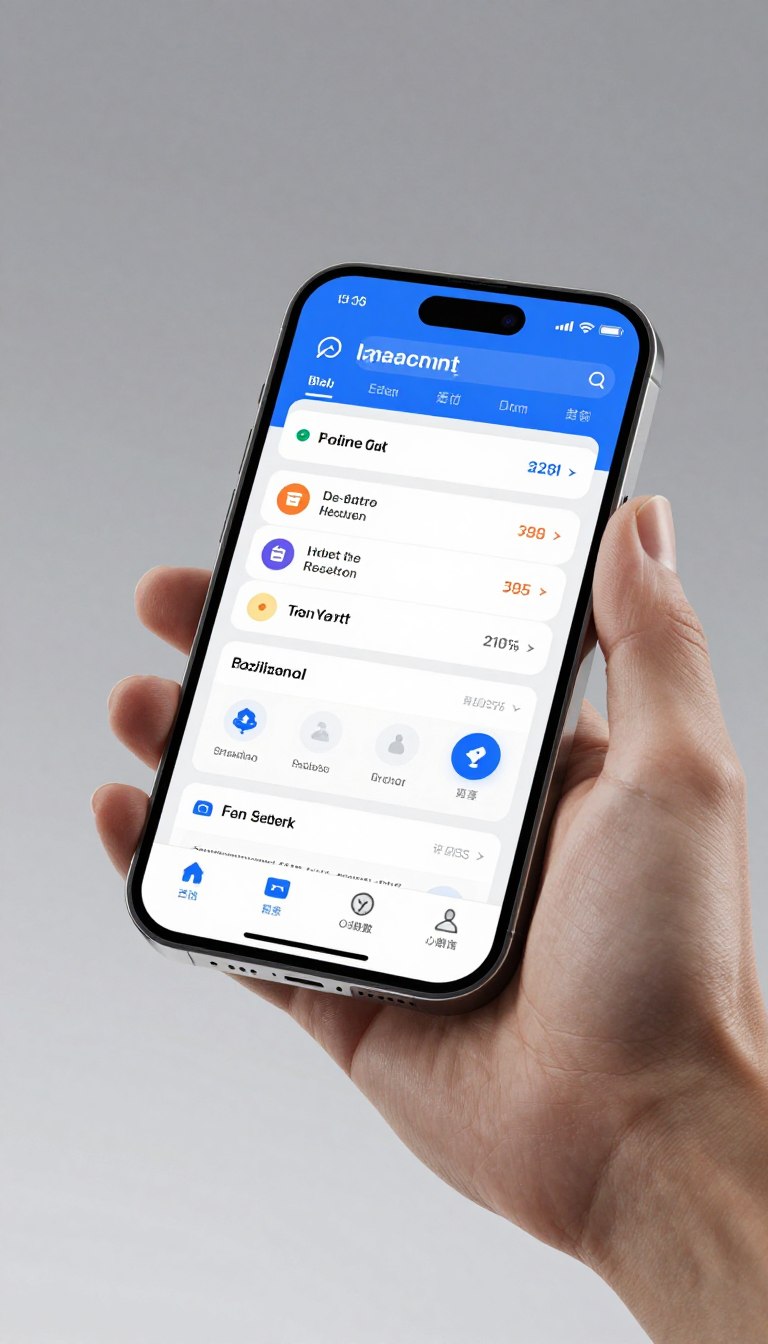
Mobile applications have become essential components of modern school management systems. Dedicated apps improve accessibility and engagement for all stakeholders.
Parents primarily interact with schools through mobile devices today. The app provides convenient access to information anytime and anywhere.
Teachers use mobile apps for quick attendance marking and communication. Students access assignments, grades, and schedules through their smartphones.
Management software companies increasingly prioritize mobile experiences. Well-designed apps drive higher adoption rates compared to web-only solutions.
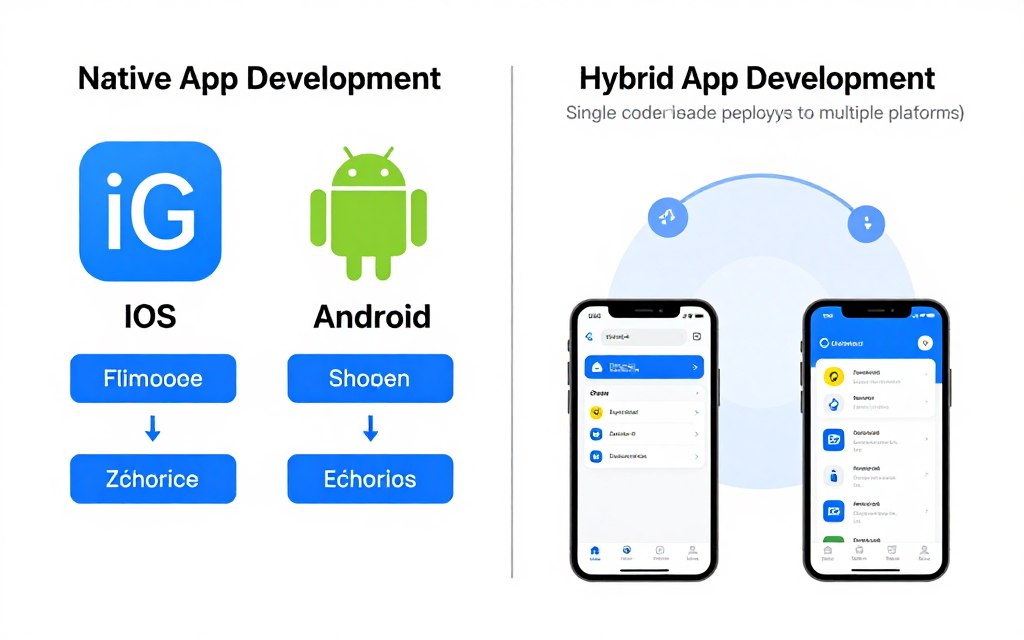
Choosing between native and hybrid development impacts app performance and cost. Native apps offer better performance but require separate development for iOS and Android.
Hybrid apps use single codebase deploying to multiple platforms. Development costs remain lower but performance may not match native apps.
Modern hybrid frameworks like React Native offer near-native performance. This approach balances cost efficiency with user experience quality.
Effective notification strategies keep users engaged without overwhelming them. The app should send timely relevant information that users value.
Parents want instant notifications about attendance, fees, and emergencies. Teachers appreciate reminders about upcoming events and pending tasks.
Notification preferences allow users to control what alerts they receive. The management software should personalize notifications based on user roles and preferences.
Internet connectivity issues should not prevent critical app functions. Teachers must mark attendance even when network access fails temporarily.
Offline data synchronization ensures updates when connectivity restores. Essential information remains accessible in offline mode.
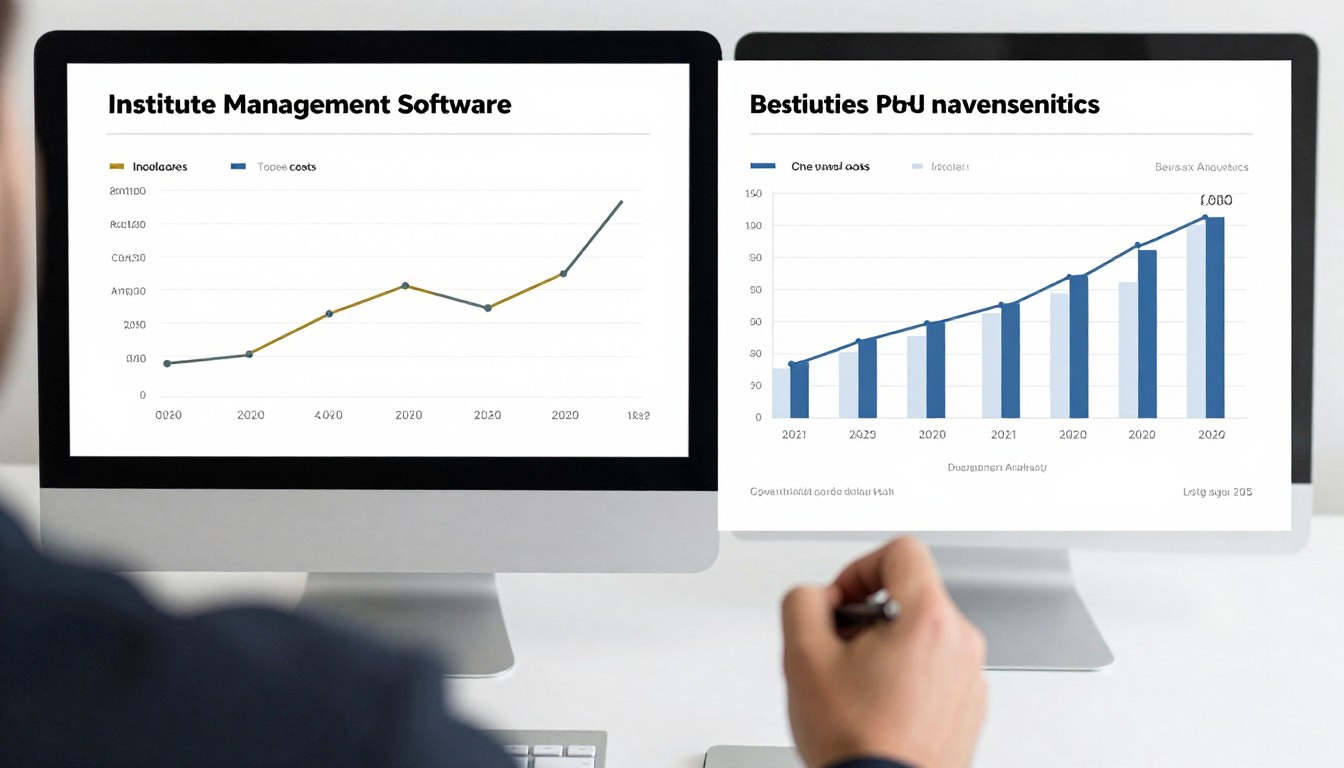
Understanding total cost of ownership helps institutions make informed budget decisions. Software costs extend beyond initial licensing or subscription fees.
License fees or subscription charges form the most obvious expense. Cloud-based school platforms typically charge annual or monthly subscription fees.
Per-student pricing models scale costs with enrollment numbers. Smaller institutions pay less while larger schools face higher expenses.

One-time implementation expenses vary based on complexity and customization needs. Data migration from existing systems requires technical expertise and time.
Customization costs increase when institutions need specific features or workflows. Standard implementations cost significantly less than heavily customized solutions.
The management software vendor typically charges for implementation services. Some vendors include basic implementation in subscription fees.
Comprehensive staff training requires time and resource investment. On-site training sessions involve trainer fees and staff opportunity costs.
Creating training materials and documentation adds to initial expenses. Ongoing training for new staff members represents recurring costs.
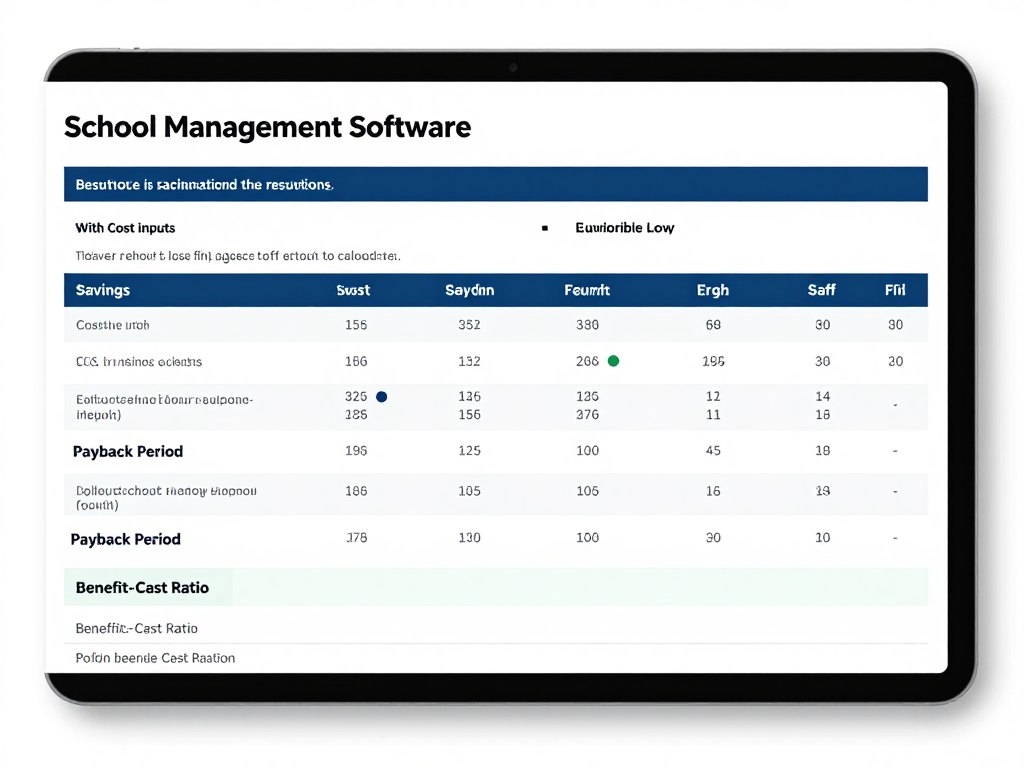
ROI analysis justifies software investments to stakeholders and management. Calculate both hard savings and soft benefits from implementation.
Time savings translate directly into cost reduction or capacity increases. Improved fee collection rates impact cash flow and financial health.
Most schools achieve positive ROI within 18-24 months of implementation. Larger institutions with complex processes realize benefits faster.
Institute Management Software is a comprehensive digital platform that automates and manages all administrative and academic operations of educational institutions. It works by integrating various modules like student information, attendance tracking, fee management, communication tools, and academic planning into a unified system.
The software operates through cloud-based or on-premise servers, allowing authorized users to access information through web browsers or mobile applications. Data entered in one module automatically updates related modules, eliminating redundant data entry and ensuring consistency across the entire system.
Institute Management Software pricing in Noida varies based on institution size, required features, and deployment model. Small schools (up to 500 students) can expect annual costs between ₹60,000 to ₹1,50,000. Medium-sized institutions (500-1500 students) typically pay ₹1,50,000 to ₹4,00,000 annually.
Most vendors offer per-student pricing models ranging from ₹100 to ₹300 per student annually. Cloud-based solutions generally have lower upfront costs but ongoing subscription fees, while on-premise solutions require higher initial investment but may have lower long-term costs. Implementation, training, and customization represent additional expenses beyond base software fees.
Essential features include comprehensive student information management, automated attendance tracking with parent notifications, online fee payment and collection management, grade book and result processing, parent-teacher communication tools, and timetable management. Mobile application access for parents and teachers has become increasingly important.
Additional critical features include library management, transport tracking, staff and payroll management, examination scheduling, report card generation, and analytics dashboards. The software should offer role-based access controls, data security measures, and integration capabilities with existing systems your institution uses.
Implementation timelines vary based on institution size, data migration complexity, and customization requirements. Small institutions with straightforward needs can complete implementation in 4-6 weeks. Medium to large schools typically require 8-12 weeks for full deployment.
The implementation process includes planning, data migration, system configuration, staff training, and testing phases. Starting implementation during low-activity periods like summer breaks minimizes disruption. Phased rollouts where critical modules launch first can extend timelines but reduce risk and allow gradual adoption.
Cloud-based solutions offer significant advantages for most schools in Noida, including no infrastructure investment, automatic updates, access from anywhere, and professional data backup. They provide better scalability and typically lower total cost of ownership. Internet connectivity in Noida generally supports reliable cloud access.
On-premise solutions suit institutions with strict data residency requirements, limited reliable internet access, or existing IT infrastructure they want to utilize. However, they require dedicated IT staff, involve higher upfront costs, and place responsibility for security and backups on the institution. For most modern schools, cloud-based platforms represent the better choice.
Reputable Institute Management Software providers implement multiple security layers to protect sensitive data. These include 256-bit SSL encryption for data transmission, encrypted database storage, multi-factor authentication, role-based access controls, and comprehensive activity logging. Regular security audits and compliance with data protection regulations ensure ongoing security.
Cloud-based platforms often provide better security than individual schools can implement independently, with professional security teams, redundant systems, and regular backups. However, institutions must verify vendor security certifications, understand their data handling policies, and ensure compliance with applicable privacy laws before selecting a provider.
Most modern management software platforms offer integration capabilities with commonly used systems like accounting software, learning management systems, biometric devices, and payment gateways. Integration methods include APIs, webhooks, file imports/exports, and direct database connections.
Before purchasing, discuss specific integration requirements with vendors and request demonstrations of relevant integrations. Some legacy systems may require custom integration development, which involves additional costs. Choosing software with open APIs and documented integration capabilities provides flexibility for future needs.
Quality vendors offer comprehensive training programs including initial on-site training sessions, online video tutorials, user manuals, and ongoing webinars. Training typically covers different user roles (administrators, teachers, parents) with appropriate depth for each group.
Support services should include multiple channels like phone, email, chat, and ticketed support systems. Check vendors' response time commitments, support hours (especially during critical periods like admissions and examinations), and whether local support teams are available in Noida. Some vendors provide dedicated account managers for larger institutions.
Management software dramatically improves parent engagement through real-time access to student information via mobile apps and web portals. Parents receive instant notifications about attendance, assignments, grades, fee dues, and school announcements. Direct messaging features enable convenient communication with teachers without phone calls or physical meetings.
Parents can track their child's academic progress, view performance analytics, access report cards, and pay fees online at their convenience. Photo galleries and event calendars keep parents connected to school activities. This transparency and accessibility significantly increase parent satisfaction and involvement in their child's education.
Data portability represents a critical consideration when selecting software. Reputable vendors provide data export capabilities in standard formats like CSV, Excel, or database dumps. Before signing contracts, understand the vendor's data migration and export policies.
Many vendors offer migration assistance when moving to their platform from competitors. Ensure your contract includes clear data ownership clauses specifying that your institution owns all data. Request regular data backups you can store independently. When changing providers, plan adequate transition time for data migration, validation, and parallel operations to ensure continuity.
While many features overlap, coaching institutes have specific requirements that generic school management software may not address adequately. Coaching centers need robust batch management, flexible scheduling for multiple slots per day, test series management, competitive exam-specific features, and inquiry-to-admission tracking.
Specialized coaching institute management software better serves these unique needs. However, some comprehensive school ERP platforms offer coaching modules or configurations. Evaluate software specifically designed for your institution type, ensuring it handles your specific workflows and reporting requirements effectively before making decisions.
Management software streamlines examination processes significantly. It automates examination scheduling, room allocation, invigilator assignments, and hall ticket generation. Grade entry interfaces allow teachers to input marks efficiently with validation to prevent errors.
The system processes results automatically, calculating totals, percentages, and ranks according to defined grading schemes. Report card generation happens instantly rather than taking days or weeks. Parents receive result notifications immediately. Analytics help identify students needing academic intervention. The software maintains complete examination history for all students throughout their academic career.

Institute Management Software in Noida represents more than technology adoption. It fundamentally transforms how educational institutions operate and deliver value to students.
Schools that embrace digital transformation position themselves for sustainable growth. The management software helps institutions meet rising expectations from tech-savvy parents and students.
Operational efficiency gains free resources for focusing on core educational missions. Teachers spend more time teaching and less time on administrative tasks.
Begin your digital transformation journey by thoroughly assessing your institution's needs. Involve all stakeholders in evaluation and selection processes.
Research multiple vendors and request comprehensive demonstrations. Visit other institutions in Noida using shortlisted systems to see real-world implementations.
The school management system you choose will impact your institution for years. Invest time in making an informed decision aligned with long-term strategic goals.
Educational institutions in Noida have access to world-class management software solutions. The local market offers both established national vendors and responsive regional providers.
Cloud-based school platforms eliminate traditional barriers to technology adoption. Even smaller institutions can now afford comprehensive digital management systems.
The information system you implement today sets the foundation for tomorrow's success. Choose wisely, implement thoroughly, and watch your institution thrive in the digital age.
Take the first step toward digital transformation today. Our team of education technology experts is ready to help you find the perfect solution for your institution in Noida.
Book your demo before the end of this month and receive:
Limited slots available. Contact us today to secure your spot!

Complete the form below and our education technology consultants will contact you within 24 hours to discuss your requirements and schedule a personalized demonstration.