
Businesses across Noida face mounting pressure to optimize warehouse operations and maintain competitive advantage. Warehouse Management Software in Noida has become essential for companies looking to streamline inventory control, reduce operational costs, and improve order accuracy. The right warehouse management system transforms chaotic operations into efficient, data-driven processes.
Modern warehouse management software offers comprehensive solutions for inventory tracking, order fulfillment, and supply chain optimization. Companies implementing robust WMS software report significant improvements in operational efficiency and customer satisfaction. This guide explores everything you need to know about selecting and implementing warehouse management systems specifically designed for businesses in Noida.
The warehouse management landscape has evolved dramatically. Technology now enables real-time visibility across multiple warehouses, automated task management, and seamless integration with existing business systems. Understanding these capabilities helps businesses make informed decisions about their warehouse operations.
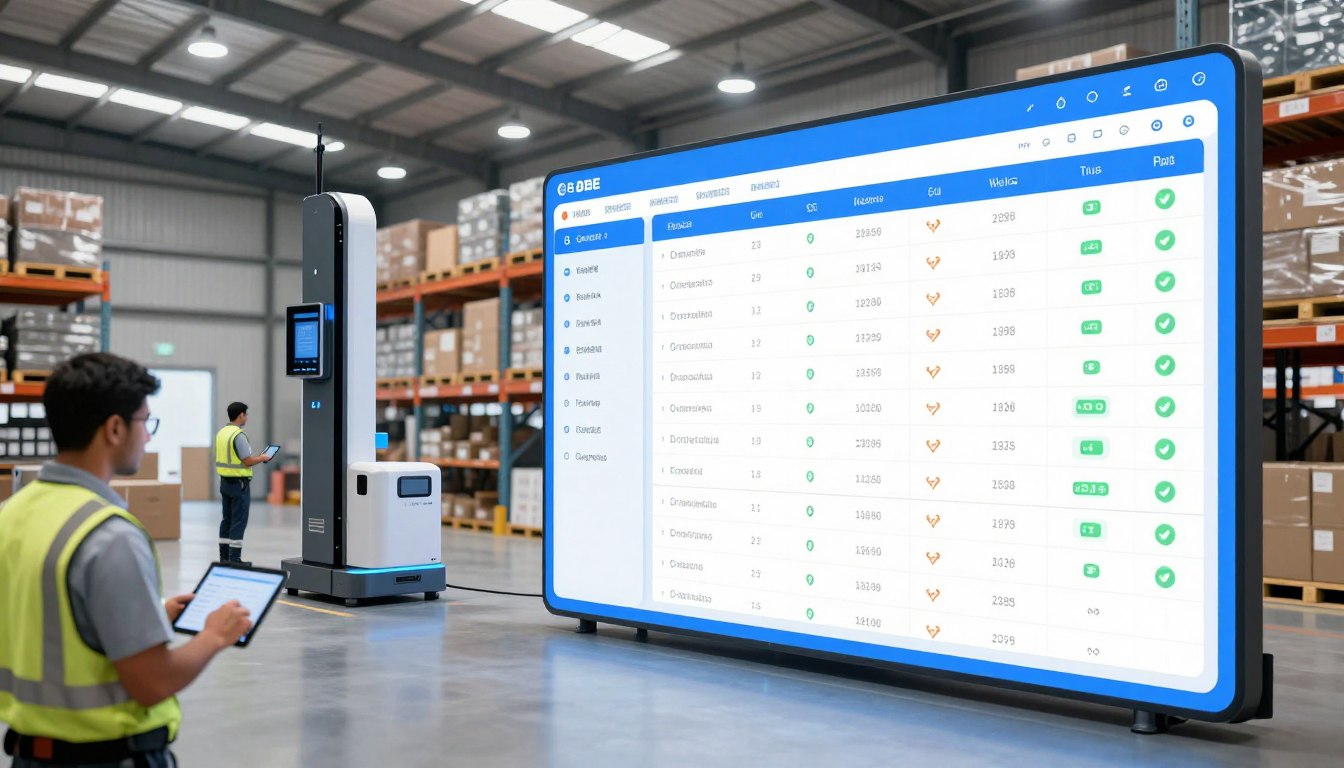
Schedule a free consultation with our warehouse management experts. Get personalized recommendations based on your specific business needs and operations scale.
A warehouse management system represents the technological backbone of modern warehouse operations. These sophisticated software platforms coordinate everything from receiving inventory to shipping finished products. The system provides real-time visibility into stock levels, locations, and movement throughout your facility.
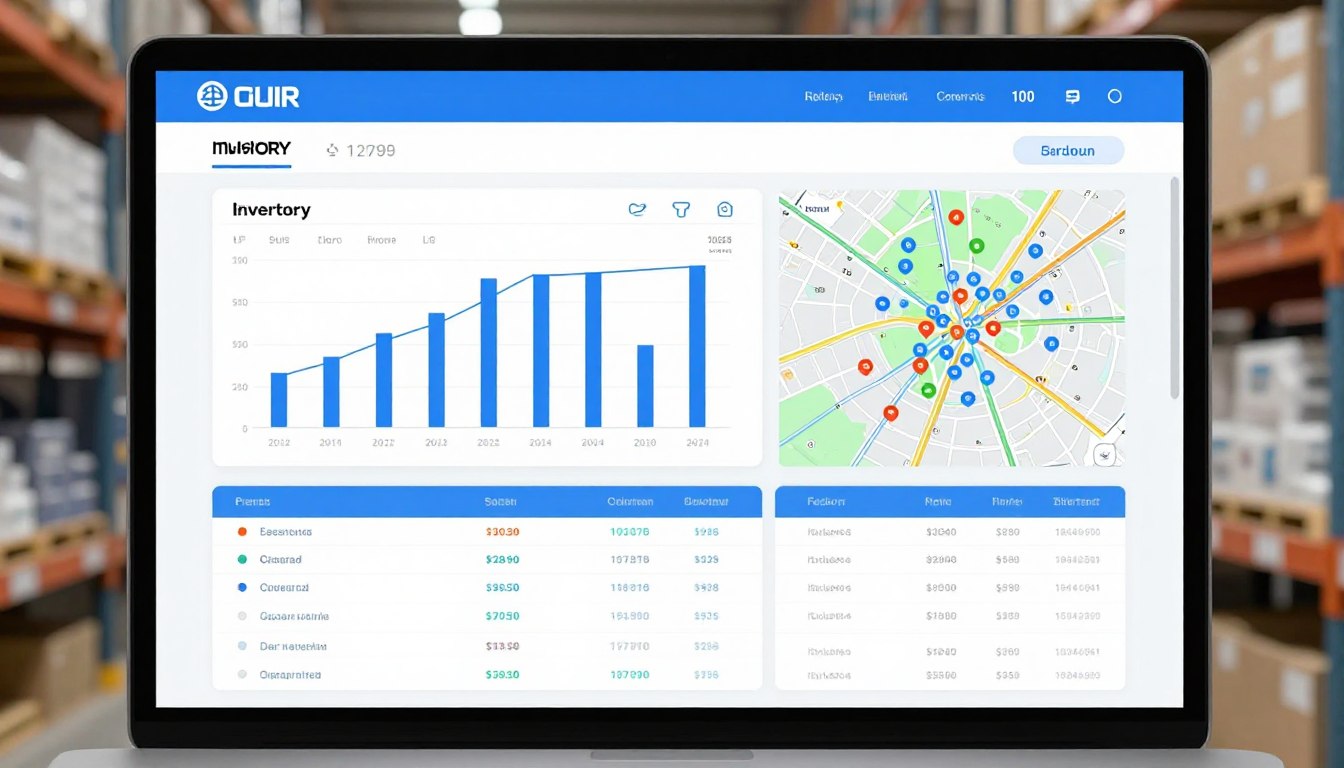
Warehouse management software in Noida serves multiple critical functions. It tracks inventory movement from receiving docks through storage locations to shipping areas. The system directs workers to optimal picking locations and suggests efficient routes through the facility. This coordination eliminates wasted time and reduces errors that plague manual operations.
The importance of warehouse management extends beyond basic inventory tracking. Modern systems integrate with enterprise resource planning platforms, transportation management software, and e-commerce systems. This integration creates seamless data flow across your entire business operation.
The system guides receiving operations from the moment shipments arrive. Automated data capture through barcode scanning or RFID technology eliminates manual data entry errors. Smart putaway algorithms direct workers to optimal storage locations based on product characteristics, turnover rates, and space utilization.
Comprehensive inventory visibility remains the cornerstone of effective warehouse management. The system maintains accurate, real-time records of stock quantities, locations, and conditions. Multiple inventory tracking methods support diverse business needs and product types.
Implementing warehouse management software delivers measurable improvements across operational metrics. Businesses consistently report reduced operational costs, improved order accuracy, and enhanced customer satisfaction. These benefits directly impact your bottom line and competitive positioning in the Noida market.
Warehouse management systems eliminate redundant tasks and streamline workflows. Automated processes reduce manual labor requirements while increasing throughput. Workers spend less time searching for products and more time on value-adding activities.
Automated data capture and validation drastically reduce human errors. Systems achieve order accuracy rates exceeding ninety-nine percent. This precision eliminates costly returns and enhances customer trust in your operations.
Optimized space utilization reduces facility costs. Labor productivity improvements lower operational expenses. Reduced inventory carrying costs and minimized stockouts contribute to significant cost savings over time.
Selecting the right warehouse management software requires understanding critical features that drive operational excellence. Different businesses have unique requirements based on industry, scale, and specific operational challenges. This section explores the essential capabilities that modern warehouse management systems must provide.
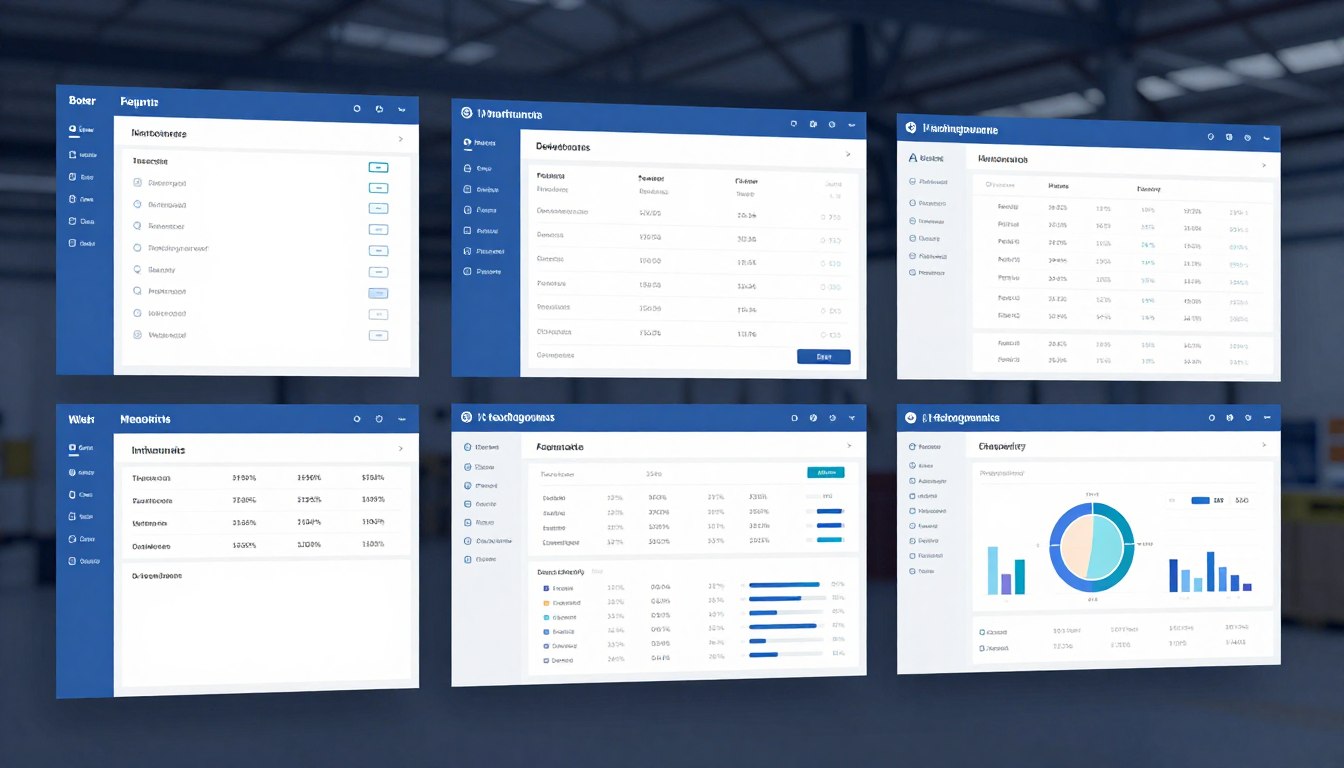
Sophisticated inventory management capabilities form the foundation of effective warehouse operations. The system must track products throughout their lifecycle within your facility. Real-time visibility into inventory levels prevents stockouts while minimizing excess inventory costs.
Advanced inventory tracking supports multiple identification methods. Barcode scanning provides rapid data capture during receiving, picking, and shipping operations. RFID technology enables automated inventory counting and location tracking without manual intervention. These technologies work together to maintain accurate inventory records.
Modern businesses often operate multiple warehouse facilities or storage locations. Warehouse management software provides unified visibility across all locations. The system coordinates inventory transfers between facilities and optimizes stock distribution based on demand patterns.
Cross-docking capabilities reduce storage time for high-velocity products. The system identifies opportunities to move goods directly from receiving to shipping. This process minimizes handling costs and accelerates order fulfillment cycles.
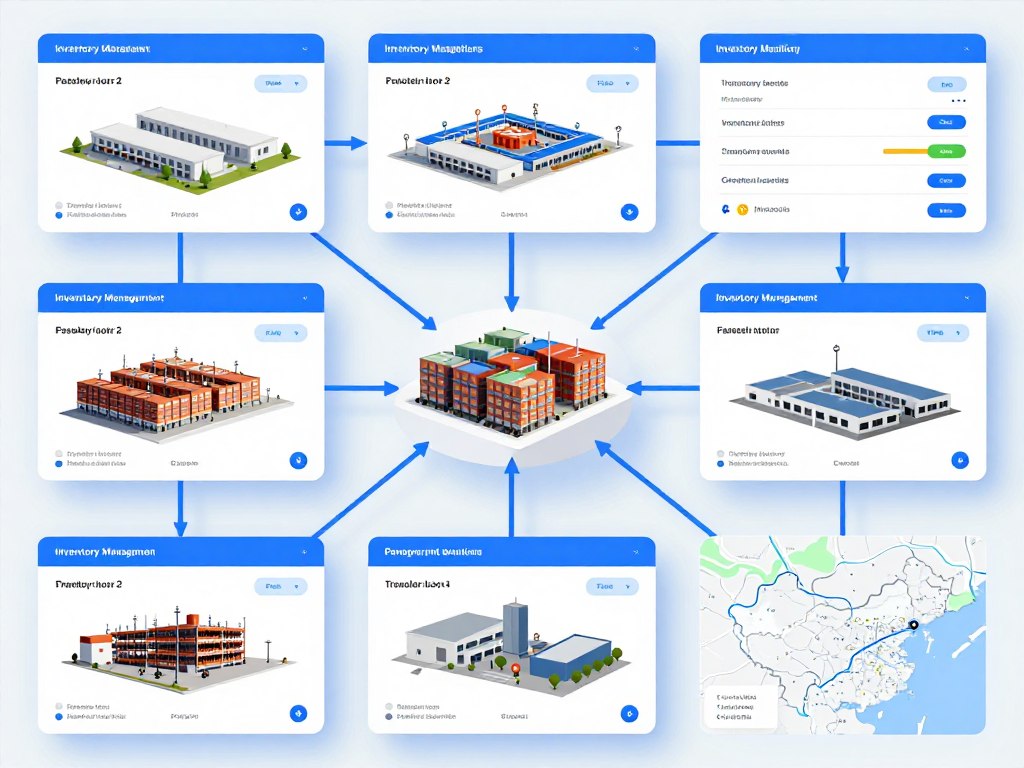
Efficient order processing capabilities directly impact customer satisfaction and operational costs. The warehouse management system coordinates all activities from order receipt through shipment. Automated workflows ensure consistent processing regardless of order volume or complexity.

Wave planning and batch picking optimize labor utilization during order fulfillment. The system groups orders strategically to minimize travel time through the warehouse. Pick-path optimization directs workers along the most efficient routes through storage areas.
Modern warehouse management software seamlessly integrates with automation equipment. Conveyor systems, automated storage and retrieval systems, and robotic picking solutions all connect through the WMS platform. This integration coordinates human workers and automated equipment for optimal efficiency.
Integration with conveyor systems and sortation equipment automates product movement. The warehouse management system controls routing decisions and tracks items throughout automated handling processes. This coordination reduces manual handling while increasing throughput capacity.
Advanced systems incorporate artificial intelligence for predictive analytics and decision optimization. Machine learning algorithms analyze historical data to forecast demand and optimize inventory positioning. Robotic process automation handles repetitive tasks with consistent accuracy.
Cloud technology has revolutionized how businesses deploy and utilize warehouse management software. Cloud based warehouse management systems offer compelling advantages over traditional on-premise installations. These systems deliver enterprise-grade functionality without massive upfront infrastructure investments.

Scalability represents a primary advantage of cloud warehouse management systems. Businesses can quickly expand system capacity as operations grow. Additional users, warehouses, or features can be activated without hardware purchases or lengthy implementation projects. This flexibility supports business growth without technical constraints.
Cloud systems dramatically reduce implementation timeframes compared to traditional software. Many businesses achieve full deployment within weeks rather than months. The vendor manages all technical infrastructure, allowing your team to focus on operational optimization rather than IT management.
For warehouse operations seeking expert guidance, connecting with experienced professionals helps navigate feature selection. Our specialists understand the unique challenges facing Noida businesses. Call +91 9873077240 to discuss your specific requirements and get personalized WMS recommendations.

Modern cloud warehouse management systems employ enterprise-grade security measures. Data encryption protects information during transmission and storage. Multi-factor authentication prevents unauthorized access to sensitive business data. Regular security audits ensure ongoing protection against emerging threats.

Compliance with industry regulations and data protection requirements remains critical for many businesses. Cloud vendors maintain certifications for various compliance standards. The system includes audit trails and reporting capabilities that support regulatory requirements. This infrastructure would be expensive and complex to implement independently.
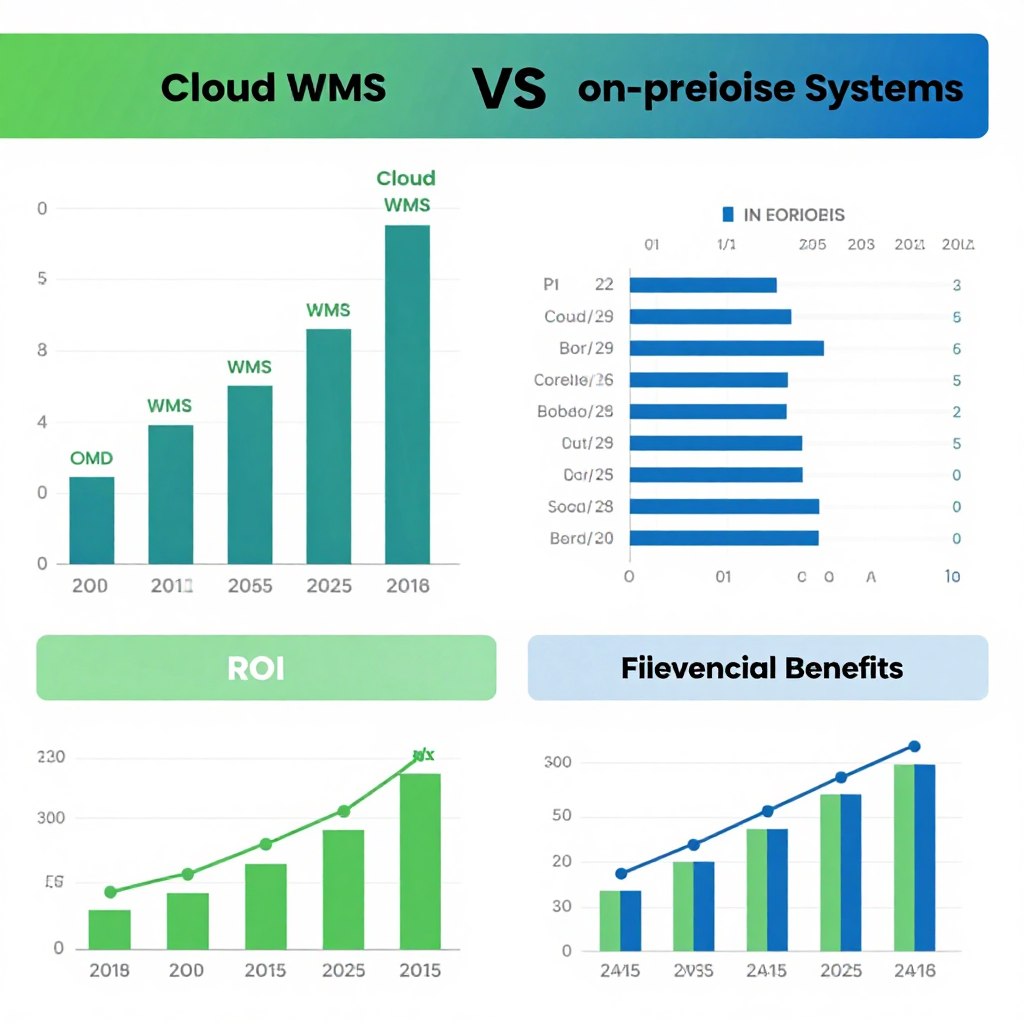
Eliminate large capital expenditures for servers and infrastructure. Pay only for resources you actually use through subscription pricing. Reduce ongoing IT maintenance and support costs significantly.

Expand system capacity instantly as your business grows. Add users, locations, or features without hardware limitations. Scale resources up or down based on seasonal demand fluctuations.

Access your warehouse management system from any location with internet connectivity. Enable remote work capabilities for management teams. Monitor operations in real-time from mobile devices.
Warehouse ERP software creates unified business management by connecting warehouse operations with broader enterprise functions. This integration eliminates data silos and ensures consistent information across departments. Financial systems, procurement, sales, and warehouse management work together seamlessly through integrated platforms.
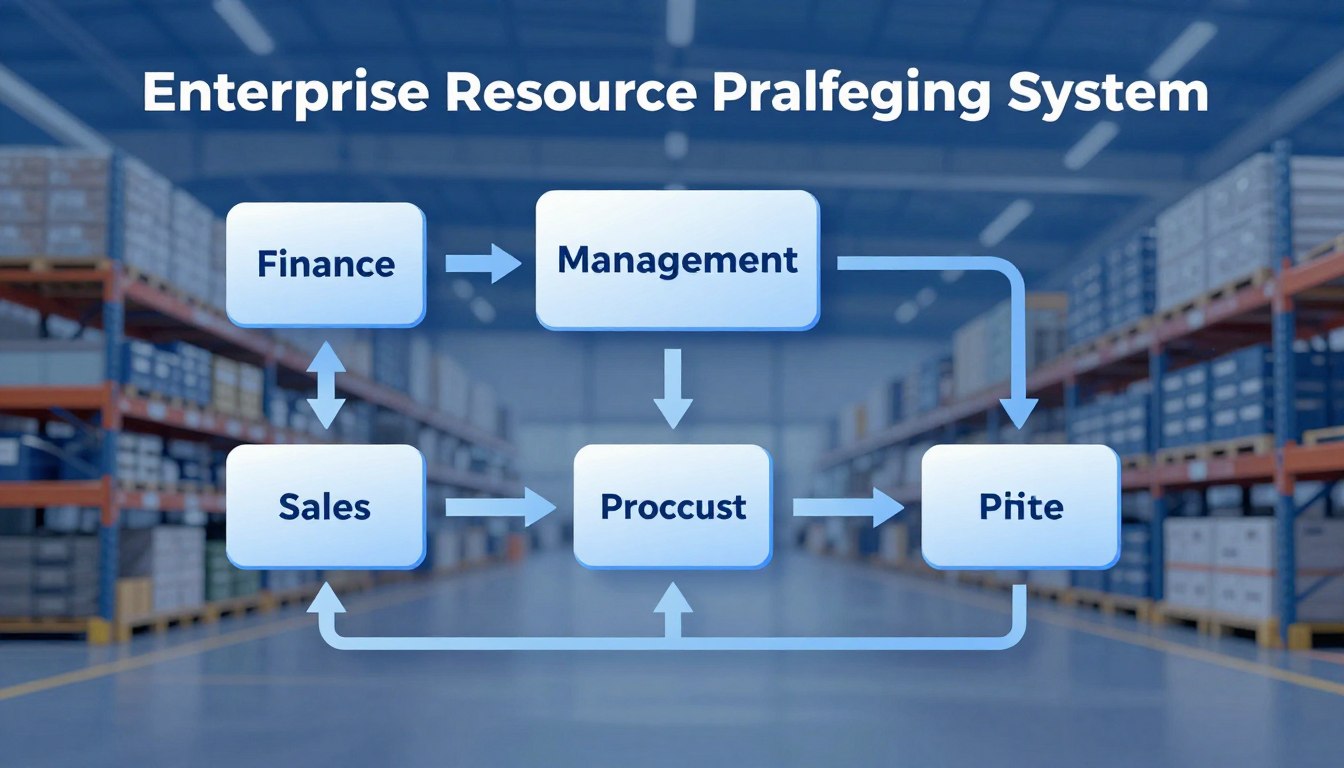
The connection between warehouse management and ERP systems provides significant operational advantages. Orders flow automatically from sales systems to warehouse operations. Financial transactions update in real-time as inventory moves through the facility. This automation eliminates manual data transfer and associated errors.
Effective warehouse ERP integration requires careful attention to key connection points between systems. These integrations enable automated workflows that span multiple business functions. Understanding these connections helps businesses maximize the value of their technology investments.
| Integration Area | Key Functions | Business Benefits | Implementation Priority |
|---|---|---|---|
| Order Management | Automatic order transfer, status updates, fulfillment tracking | Reduced order processing time, improved accuracy, real-time visibility | Critical |
| Inventory Synchronization | Real-time stock updates, automatic replenishment triggers, allocation management | Accurate inventory visibility, prevented stockouts, optimized stock levels | Critical |
| Financial Accounting | Automatic transaction posting, cost tracking, inventory valuation | Eliminated manual entry, accurate financial records, real-time costing | High |
| Procurement | Purchase order management, receiving verification, supplier coordination | Streamlined receiving, improved supplier relationships, reduced lead times | High |
| Customer Management | Order status visibility, shipment tracking, return processing | Enhanced customer service, reduced inquiries, improved satisfaction | Medium |
| Production Planning | Material availability, production scheduling, finished goods receiving | Optimized production flow, reduced delays, improved coordination | Medium |
Choosing the right Warehouse ERP Solution Provider in Noida requires careful evaluation of multiple factors. The provider should understand local business requirements and offer appropriate support infrastructure. Technical capabilities must align with your specific operational needs and growth plans.

Implementation expertise significantly impacts project success and time-to-value. Experienced providers bring proven methodologies and best practices from previous deployments. They understand common challenges and know how to navigate complex integration requirements. This expertise reduces implementation risks and accelerates benefits realization.
Inventory Control Software in Noida provides the detailed tracking and management capabilities that businesses need to maintain accurate stock records. These systems go beyond basic inventory counting to provide comprehensive visibility into product movement, location, and status throughout the warehouse facility.
Modern inventory control systems employ multiple tracking methodologies to suit different product types and business requirements. Serial number tracking provides unique identification for high-value items. Lot tracking manages groups of products with common characteristics like manufacturing dates. These capabilities ensure compliance with quality standards and enable precise recall management if needed.
Sophisticated inventory tracking software provides granular visibility into stock locations and movements. The system tracks inventory at the bin level, enabling precise location management within large facilities. This precision reduces search time during picking operations and improves overall warehouse efficiency.
Real-time visibility into inventory levels prevents stockouts and excess inventory situations. The system updates stock quantities instantly as transactions occur. This immediate visibility supports better decision-making across purchasing, sales, and operations teams.
Dashboard displays provide at-a-glance views of critical inventory metrics. Low stock alerts notify relevant personnel before stockouts occur. Excess inventory reports identify slow-moving items that tie up working capital unnecessarily.
Automated cycle counting programs maintain inventory accuracy without disruptive physical inventories. The system schedules counts based on item velocity, value, or accuracy history. This approach distributes counting activities across time while ensuring accuracy targets.
Variance analysis identifies discrepancies and potential process issues. The system tracks accuracy trends and highlights areas requiring attention. This continuous improvement approach maintains high inventory accuracy over time.
Comprehensive Inventory Tracking Software in Noida must provide robust capabilities for modern business requirements. These features work together to create a complete inventory management ecosystem. The system should adapt to your specific operational needs while maintaining accuracy and efficiency.

Multiple automated identification technologies enable efficient data capture. Barcode scanning provides cost-effective tracking for most applications. RFID technology offers hands-free tracking and automated inventory counting capabilities for high-volume operations.
Unified visibility across multiple warehouse locations enables optimal inventory distribution. The system coordinates stock transfers between facilities based on demand patterns. This coordination improves service levels while minimizing total inventory investment.
Comprehensive reporting provides insights into inventory performance and trends. Standard reports cover common metrics while custom reporting addresses unique business requirements. Analytics capabilities identify optimization opportunities across inventory operations.
Warehouse Automation Software in Noida represents the cutting edge of operational efficiency. These systems coordinate human workers, automated equipment, and intelligent algorithms to optimize every aspect of warehouse operations. Automation transforms traditional labor-intensive processes into streamlined, technology-driven workflows.

The scope of warehouse automation extends from simple process automation to fully automated storage and retrieval systems. Task interleaving algorithms optimize worker productivity by coordinating multiple activities. Automated material handling equipment moves products efficiently through the facility. These technologies work together to maximize throughput while minimizing costs.
Modern warehouse management software integrates with diverse automation technologies. Conveyor systems transport products automatically between processing stations. Automated storage and retrieval systems maximize vertical space utilization while enabling rapid access to stored items. Robotic picking systems handle repetitive tasks with consistent accuracy and speed.
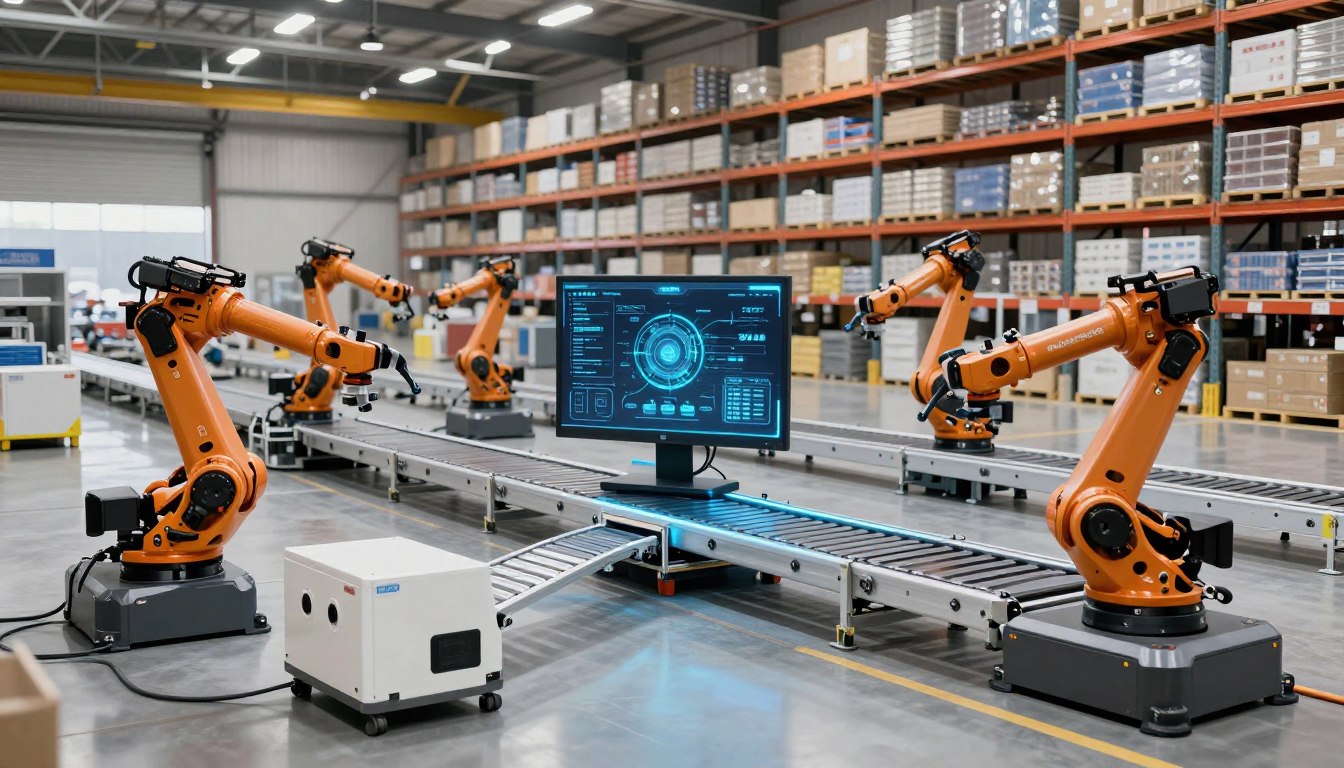
The warehouse management system serves as the control center for all automated equipment. It coordinates activities across different automation systems to maintain smooth operations. When receiving shipments, the system directs automated equipment to transport products to appropriate storage locations. During order fulfillment, it coordinates picking robots, conveyors, and packing stations for optimal efficiency.
Automation delivers measurable improvements across multiple operational dimensions. Labor productivity increases as workers focus on complex tasks while automation handles repetitive activities. Order accuracy improves through consistent automated processes that eliminate human error. Throughput capacity expands without proportional increases in labor costs.
Space utilization improves dramatically with automated storage systems. These solutions maximize vertical space and achieve higher storage density than manual operations. The improved space efficiency can delay or eliminate the need for facility expansion, generating significant cost savings.
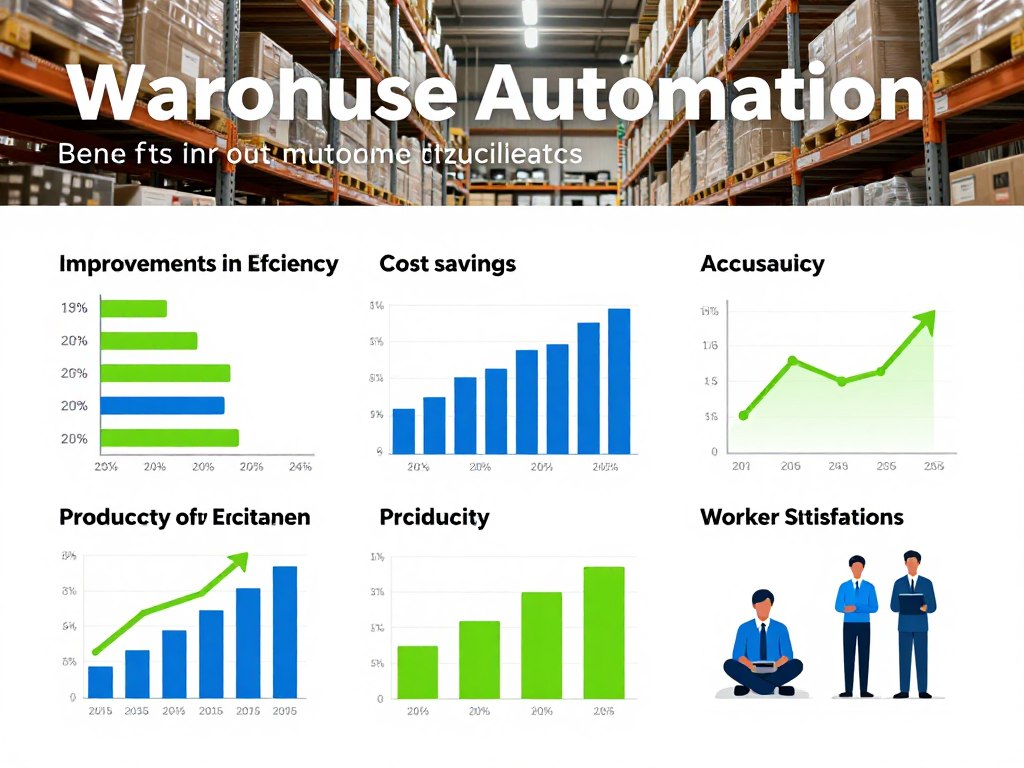
Successful automation implementation requires careful planning and phased deployment. Businesses should start by automating high-volume, repetitive processes that offer clear return on investment. This incremental approach allows organizations to learn and optimize before expanding automation scope.
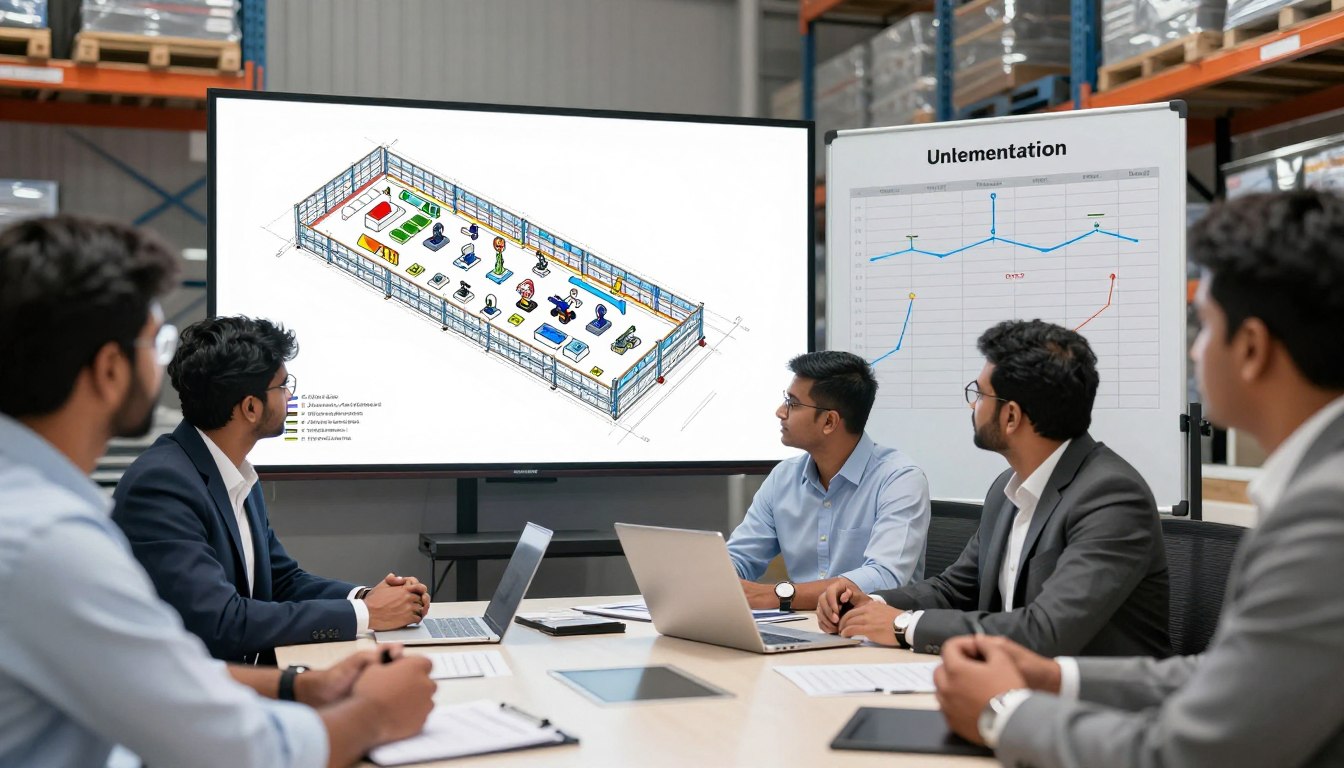
Integration with existing warehouse management software ensures coordinated operations across manual and automated processes. The system must seamlessly hand off tasks between workers and automation equipment. This coordination maintains operational flow and prevents bottlenecks that could negate automation benefits.
Selecting the Best Warehouse Management Software in Noida requires systematic evaluation of your business requirements against available solutions. The ideal system aligns with your operational needs, growth plans, and budget constraints. This decision significantly impacts operational efficiency for years to come.
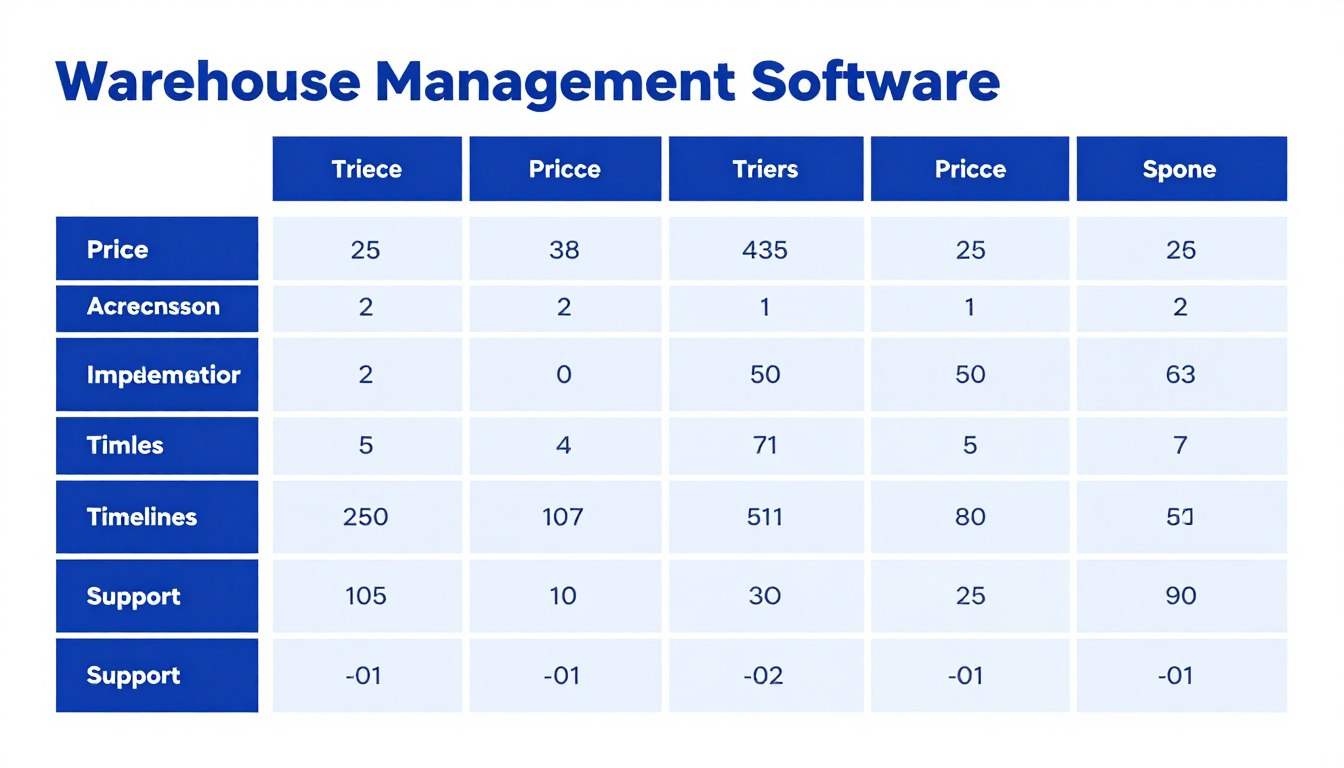
Multiple factors influence warehouse management software selection. Operational requirements define the essential features your system must provide. Scalability ensures the solution grows with your business. Integration capabilities determine how well the system connects with existing business applications. User experience affects adoption and productivity across your team.
Evaluate whether candidate systems provide all required capabilities for your operations. Consider both current needs and anticipated future requirements as your business grows.
The software vendor's capabilities and stability significantly impact long-term success. Consider their experience, financial stability, and commitment to ongoing product development.
Understanding total cost of ownership extends beyond initial software licensing. Include implementation, training, ongoing support, and potential customization costs in your analysis.
Ensure the selected system accommodates future growth without requiring replacement. Consider expansion in users, transaction volume, warehouse locations, and feature requirements.
Successful warehouse management software implementation requires comprehensive planning and project management. The implementation timeline typically spans several weeks to months depending on system complexity and business requirements. Proper planning ensures smooth transition and rapid value realization.
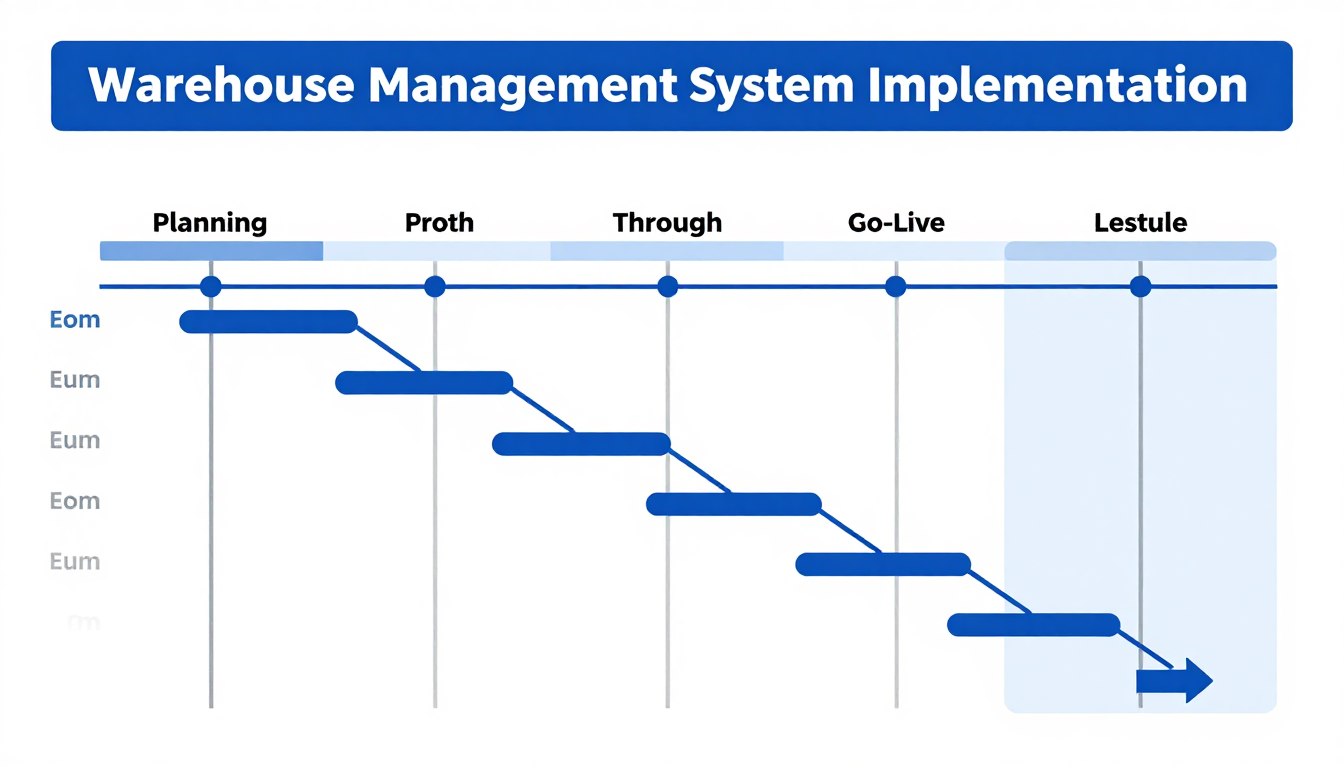
Data migration represents a critical implementation phase. Existing inventory records, location data, and configuration information must transfer accurately to the new system. Clean data ensures the system operates correctly from day one. Many implementations suffer delays and issues due to inadequate attention to data quality.
Navigate the complex WMS selection process with confidence. Our experienced consultants help you evaluate options, avoid common pitfalls, and select the optimal solution for your Noida warehouse operations.
Partnering with the right WMS Software Company in Noida significantly impacts implementation success and long-term satisfaction. The ideal partner combines technical expertise with deep understanding of your industry and operational challenges. This partnership extends beyond software licensing to encompass implementation, training, and ongoing optimization support.

Comprehensive partner evaluation examines multiple dimensions beyond basic software functionality. Industry experience demonstrates understanding of your specific operational challenges and requirements. Local presence in Noida ensures responsive support when you need assistance. Financial stability indicates the vendor will remain viable to support your investment over time.
Client references provide invaluable insights into vendor performance and capabilities. Speaking with existing customers reveals how the vendor handles challenges and delivers on promises. Ask about implementation experience, ongoing support quality, and overall satisfaction with the partnership.
Technical capabilities must align with your integration requirements and customization needs. Evaluate the vendor's development team, technical infrastructure, and ability to handle complex requirements. Understanding their approach to system updates and new feature development helps predict long-term partnership value.

Ongoing support quality significantly impacts your ability to maximize system value. Evaluate the vendor's support infrastructure, including availability, response times, and escalation procedures. Understanding their approach to handling issues and requests helps set appropriate expectations.
| Support Aspect | Key Questions | Why It Matters |
|---|---|---|
| Availability | What hours is support available? Is 24/7 support offered? | Warehouses often operate outside standard business hours and need accessible support |
| Response Time | What are guaranteed response times for different severity levels? | Critical issues can halt operations and require rapid vendor response |
| Local Presence | Does the vendor have support staff in Noida or nearby? | Local support enables on-site assistance when remote troubleshooting is insufficient |
| Training Programs | What training options are available for new users and administrators? | Comprehensive training ensures your team can effectively utilize all system capabilities |
| Update Process | How are system updates delivered and implemented? | Smooth updates minimize disruption while providing access to new features |
| Customization | How does the vendor handle custom development requests? | Unique business requirements may need customization beyond standard features |
The most successful warehouse management implementations develop into long-term strategic partnerships. Regular business reviews ensure the system continues meeting evolving requirements. Collaborative planning incorporates your feedback into vendor product roadmaps. This partnership approach maximizes long-term value from your warehouse management investment.

Logistics Management Software in Noida extends warehouse capabilities throughout the entire supply chain. These integrated systems coordinate activities from supplier procurement through customer delivery. This end-to-end visibility enables optimization across the complete logistics network rather than isolated warehouse operations.
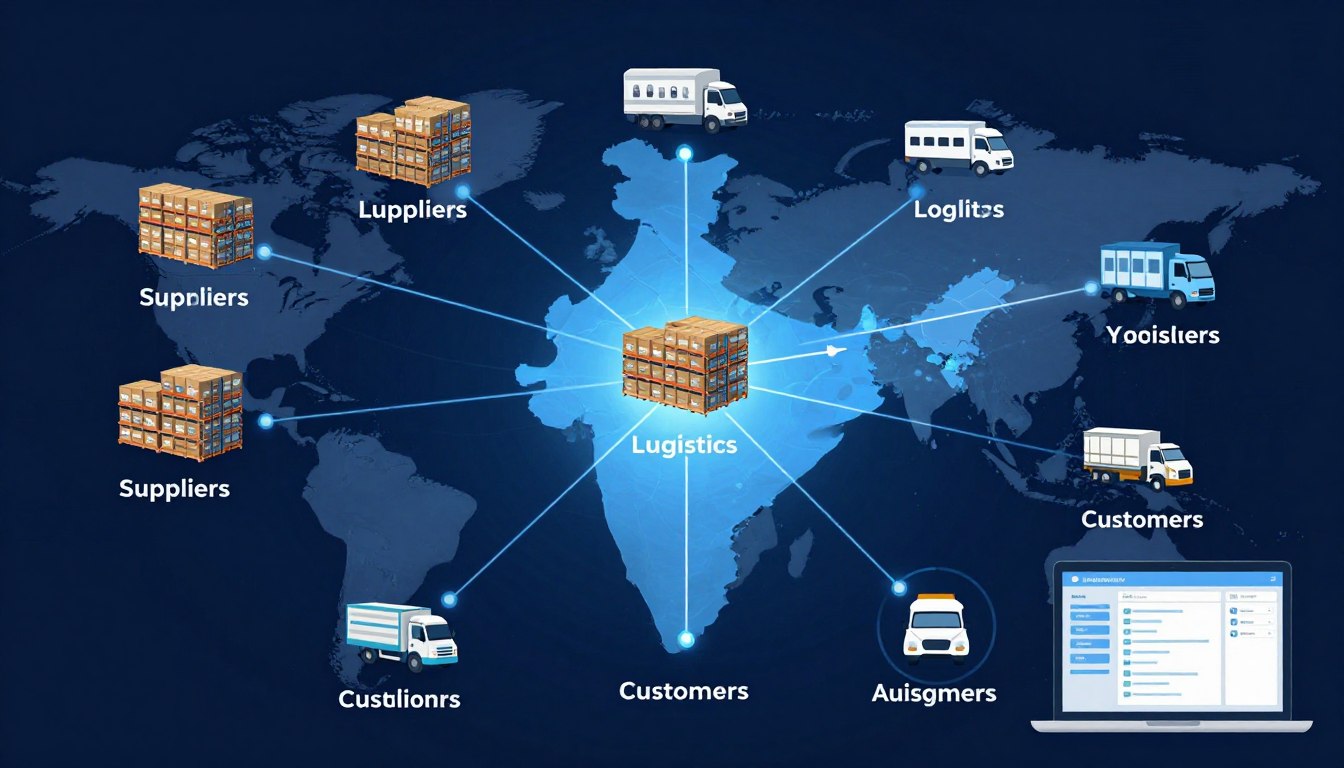
Modern Supply Chain Management Software in Noida creates seamless information flow across all supply chain partners. Real-time visibility extends beyond warehouse walls to encompass transportation, suppliers, and customers. This transparency enables proactive problem-solving and continuous optimization across the network.
Coordinating warehouse operations with transportation management creates significant efficiency gains. The warehouse management system shares shipment information with transportation systems for optimal carrier selection and routing. Automated load planning considers warehouse labor capacity and transportation schedules simultaneously.
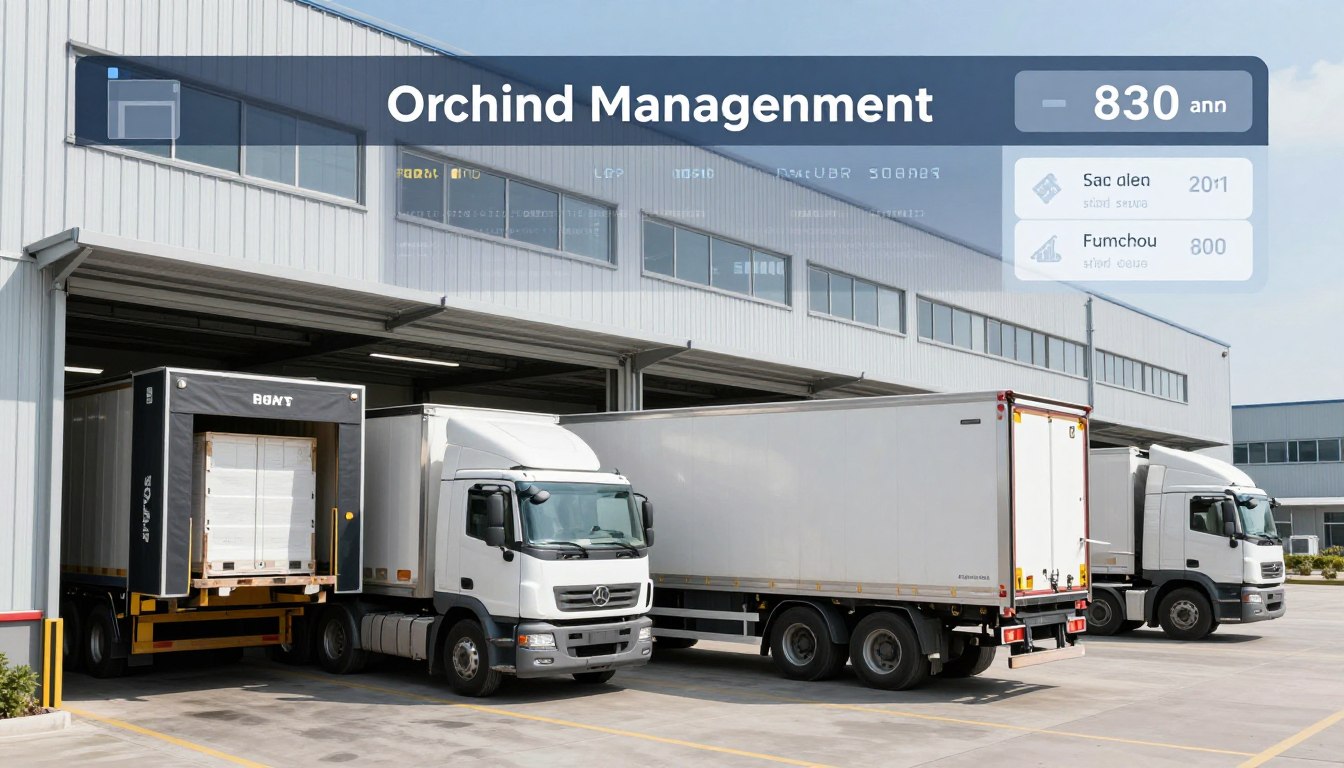
Real-time shipment tracking provides visibility throughout the delivery process. Customers receive accurate delivery estimates based on actual shipment status. This transparency improves customer satisfaction while reducing inquiry volume for customer service teams.
Extended supply chain visibility includes supplier collaboration capabilities. Suppliers access real-time inventory levels to improve replenishment planning. Advanced shipping notifications enable warehouse teams to prepare for incoming receipts. This coordination reduces receiving delays and improves inventory accuracy.
Connecting warehouse data with demand planning systems improves forecast accuracy. Historical shipment patterns inform future demand projections. The warehouse management system provides data about stock levels, turnover rates, and seasonal patterns that enhance planning accuracy.
Customer-facing portals provide real-time visibility into order status and inventory availability. Customers can check stock levels before placing orders. Order tracking capabilities reduce customer service inquiries while improving satisfaction through transparency.
Comprehensive supply chain management requires coordinated optimization across all functions. The warehouse management system contributes data and capabilities that enable network-wide improvements. This holistic approach identifies opportunities that remain invisible when optimizing functions independently.
Successful warehouse management system implementation follows proven methodologies that minimize risk and accelerate value realization. These best practices apply regardless of specific software selection. Organizations that follow structured approaches achieve better outcomes with fewer complications than those attempting ad-hoc implementations.

Comprehensive planning establishes the foundation for implementation success. Clear objectives define what success looks like for your organization. Detailed requirements documentation ensures the system configuration matches operational needs. Realistic timeline planning accounts for all activities without rushing critical phases.
Executive sponsorship proves critical for implementation success. Leadership support ensures resource availability and organizational commitment throughout the project. The executive sponsor removes obstacles and makes timely decisions when issues arise. This high-level backing signals organizational importance to all stakeholders.
Cross-functional team involvement ensures comprehensive perspective during implementation. Warehouse operations provide frontline expertise about daily activities. IT teams address technical infrastructure and integration requirements. Finance validates system configuration for accounting needs. This diverse input creates solutions that work across the organization.

Technology implementation succeeds or fails based on user adoption. Comprehensive change management addresses the human side of implementation. Communication plans keep stakeholders informed about project progress and upcoming changes. Training programs ensure users understand how to work effectively with the new system.

Role-based training provides relevant instruction for different user types. Warehouse workers focus on transaction processing and handheld device usage. Supervisors learn reporting and performance monitoring capabilities. Administrators receive technical training for system configuration and maintenance. This targeted approach maximizes training effectiveness while minimizing time requirements.
Thorough testing identifies and resolves issues before they impact operations. Unit testing validates individual system functions work correctly. Integration testing confirms proper data flow between connected systems. User acceptance testing ensures the solution meets operational requirements from the user perspective.

Realistic test scenarios replicate actual operational conditions as closely as possible. Use actual inventory data and typical transaction volumes during testing. This realism surfaces issues that might not appear in simplified test cases. Address all identified issues before proceeding to production deployment.
Quantifying warehouse management software benefits requires tracking relevant performance metrics before and after implementation. These measurements demonstrate return on investment and identify areas requiring additional optimization. Regular performance monitoring ensures the system continues delivering expected value over time.
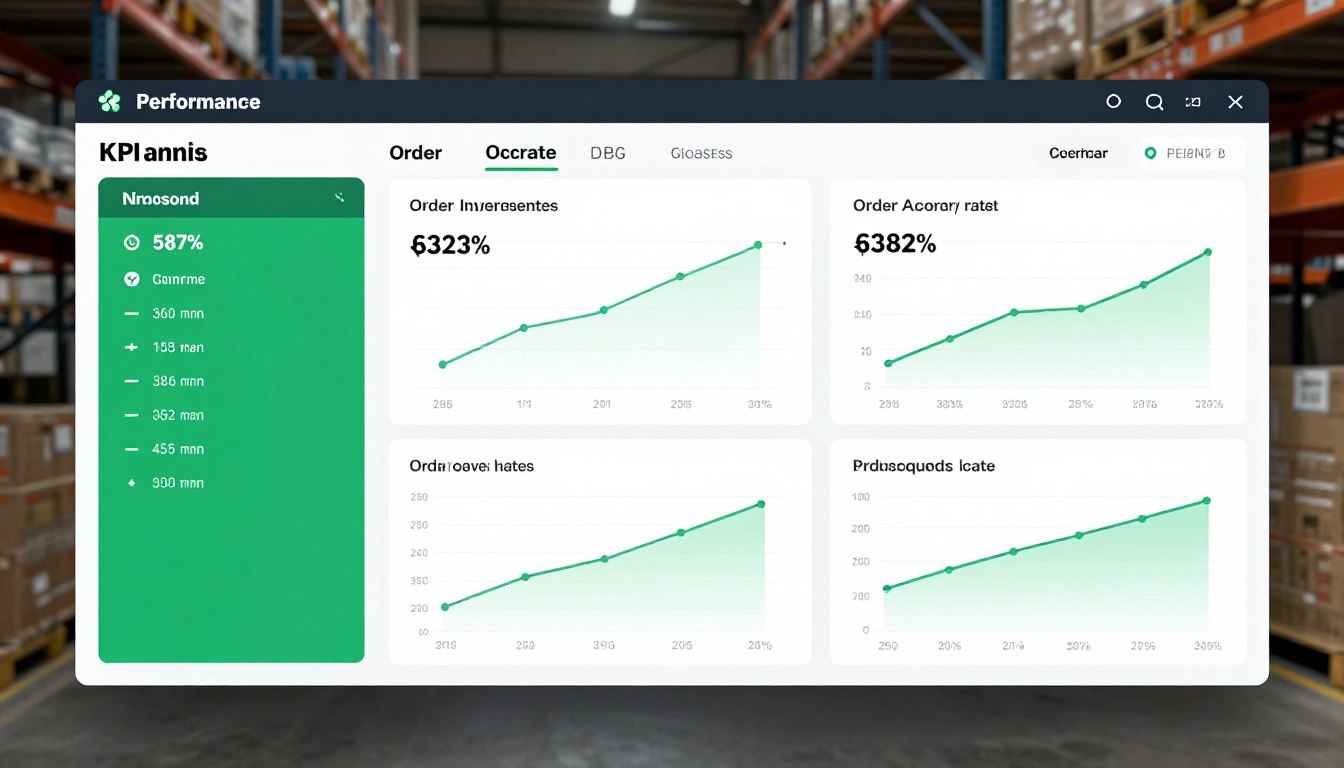
Multiple performance dimensions reflect warehouse management software effectiveness. Operational metrics measure efficiency and productivity improvements. Financial metrics quantify cost savings and return on investment. Customer-facing metrics assess service level improvements resulting from better warehouse operations.
Operational performance metrics provide tangible evidence of warehouse management software impact. These measurements track efficiency improvements and process enhancements enabled by the system. Regular monitoring identifies trends and highlights opportunities for continued optimization.
| Metric Category | Specific Measures | Typical Improvement | Measurement Method |
|---|---|---|---|
| Order Accuracy | Perfect order percentage, error rate, return rate | 15-25% reduction in errors | Compare orders shipped correctly to total orders |
| Labor Productivity | Lines picked per hour, orders processed per day | 20-35% productivity increase | Track output per labor hour worked |
| Inventory Accuracy | Cycle count accuracy, inventory variance | 90-99% accuracy achievement | Compare system records to physical counts |
| Order Cycle Time | Order to ship time, picking time per order | 25-40% reduction in cycle time | Track time from order receipt to shipment |
| Space Utilization | Storage density, inventory per square foot | 15-30% improvement in density | Calculate inventory units per storage space |
| Cost per Order | Total warehouse cost divided by orders shipped | 20-35% cost reduction | Track all warehouse costs against order volume |
Calculating return on investment demonstrates the financial justification for warehouse management software. Compare total implementation costs against quantified benefits over a multi-year period. Most organizations achieve positive ROI within twelve to twenty-four months of go-live.
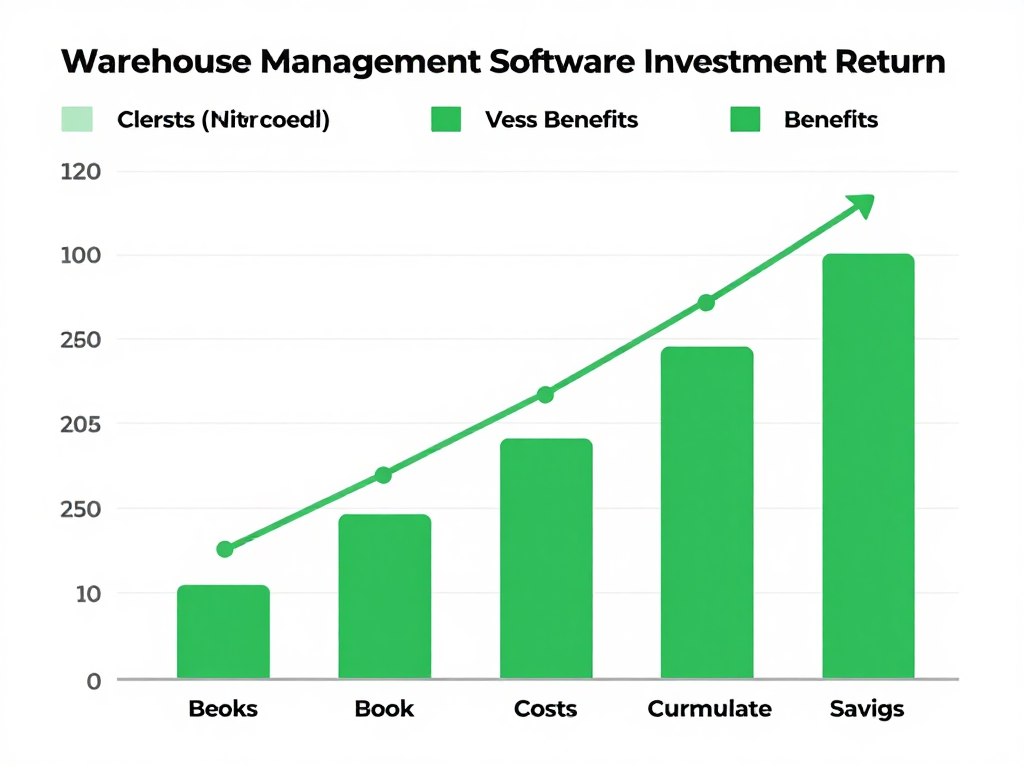
Benefit quantification requires identifying specific cost savings and revenue improvements. Labor cost reductions result from improved productivity. Inventory carrying cost decreases follow from better inventory accuracy and reduced safety stock. Customer retention improves due to better order accuracy and faster fulfillment.
Warehouse management technology continues evolving rapidly with emerging innovations. Understanding these trends helps businesses plan strategic investments and maintain competitive advantages. Forward-looking organizations position themselves to adopt beneficial innovations as they mature.

Artificial intelligence transforms warehouse management from reactive to predictive operations. Machine learning algorithms analyze historical patterns to forecast demand accurately. The system optimizes inventory positioning before demand materializes. This proactive approach reduces both stockouts and excess inventory.
AI-powered systems continuously learn and improve performance over time. Algorithms adapt to changing patterns in demand, supplier performance, and operational efficiency. This self-optimization reduces the need for manual system tuning while improving results.

Robotic systems handle increasingly complex warehouse tasks. Autonomous mobile robots transport inventory throughout facilities without fixed infrastructure. Collaborative robots work safely alongside human workers to enhance productivity. These systems scale flexibly to accommodate demand fluctuations.
Mobile robots navigate warehouse environments independently using sophisticated sensors and mapping technology. They transport inventory, assist with picking operations, and perform inventory counts. These flexible systems deploy quickly without permanent installation requirements.
Robotic picking systems use computer vision and machine learning to handle diverse products. These systems adapt to new products without extensive programming. As technology improves, robots handle increasingly complex picking scenarios previously requiring human dexterity.
Internet of Things sensors provide unprecedented visibility into warehouse operations and inventory conditions. Environmental sensors monitor temperature and humidity for sensitive products. Location sensors track assets throughout facilities in real-time. This sensor data enables proactive management and rapid problem identification.

Warehouse Management Software in Noida provides the technological foundation for competitive operations in today's demanding business environment. The right system transforms inefficient manual processes into optimized, data-driven workflows. Organizations implementing modern warehouse management software achieve measurable improvements in accuracy, efficiency, and customer satisfaction.
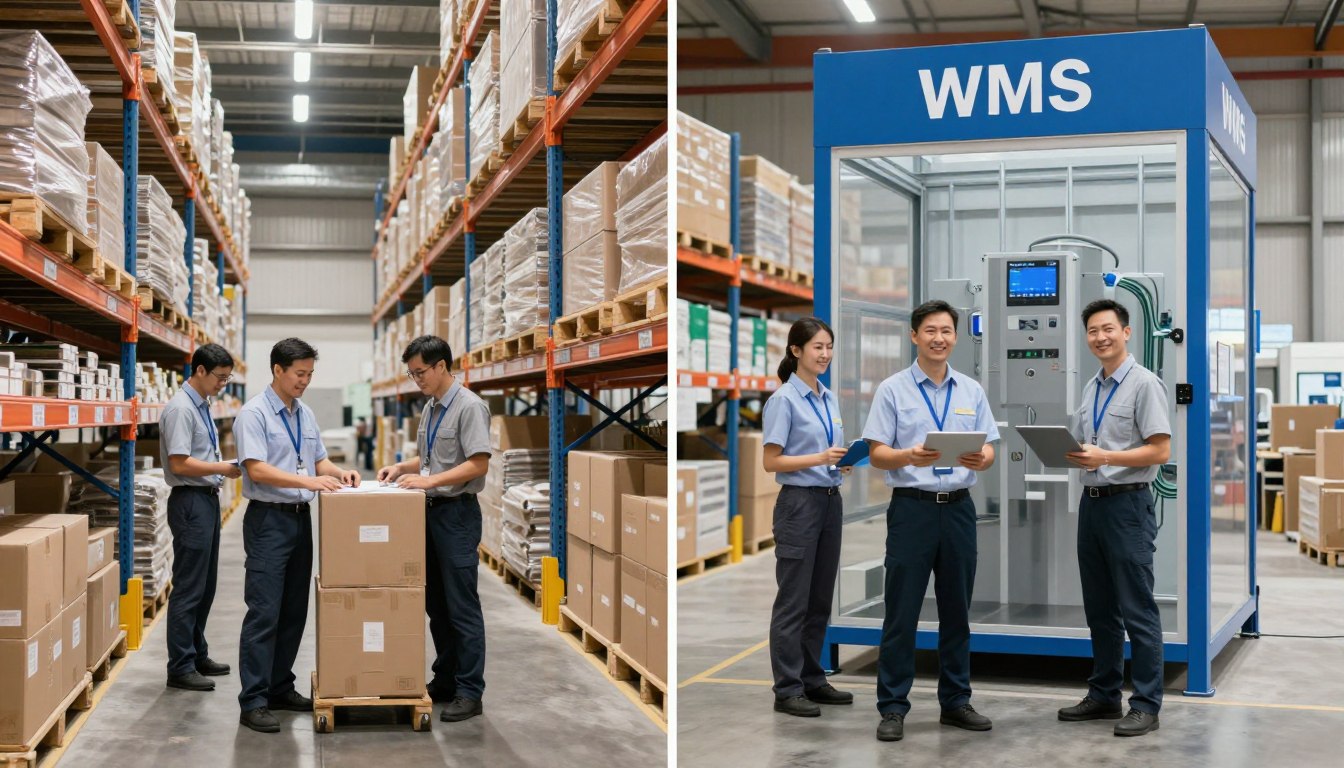
Successful implementation requires careful planning, appropriate vendor selection, and comprehensive change management. Organizations must evaluate their specific requirements and select solutions aligned with operational needs and growth objectives. The investment in proper planning and execution pays dividends through faster value realization and higher user adoption.
Technology continues advancing rapidly with artificial intelligence, robotics, and IoT creating new opportunities for warehouse optimization. Forward-looking businesses position themselves to adopt these innovations as they mature. The warehouse management system serves as the integration platform enabling coordinated operations across emerging technologies.
The competitive advantages from effective warehouse management extend throughout the supply chain. Improved inventory accuracy reduces stockouts and excess inventory costs. Enhanced order accuracy strengthens customer relationships and reduces returns. Increased operational efficiency lowers costs while supporting business growth. These benefits position businesses for sustainable success in competitive markets.
Take the first step toward warehouse excellence. Our experts will guide you through the selection process, implementation planning, and optimization strategies tailored specifically for your Noida business operations.

See warehouse management software in action. Our product specialists demonstrate capabilities specific to your industry and operational requirements. No obligation, just valuable insights.
Access our comprehensive warehouse management software comparison guide. Evaluate features, pricing, and implementation considerations for leading solutions in the Noida market.

Connect directly with our warehouse management specialists. Get immediate answers to your questions and personalized recommendations based on your specific operational challenges.