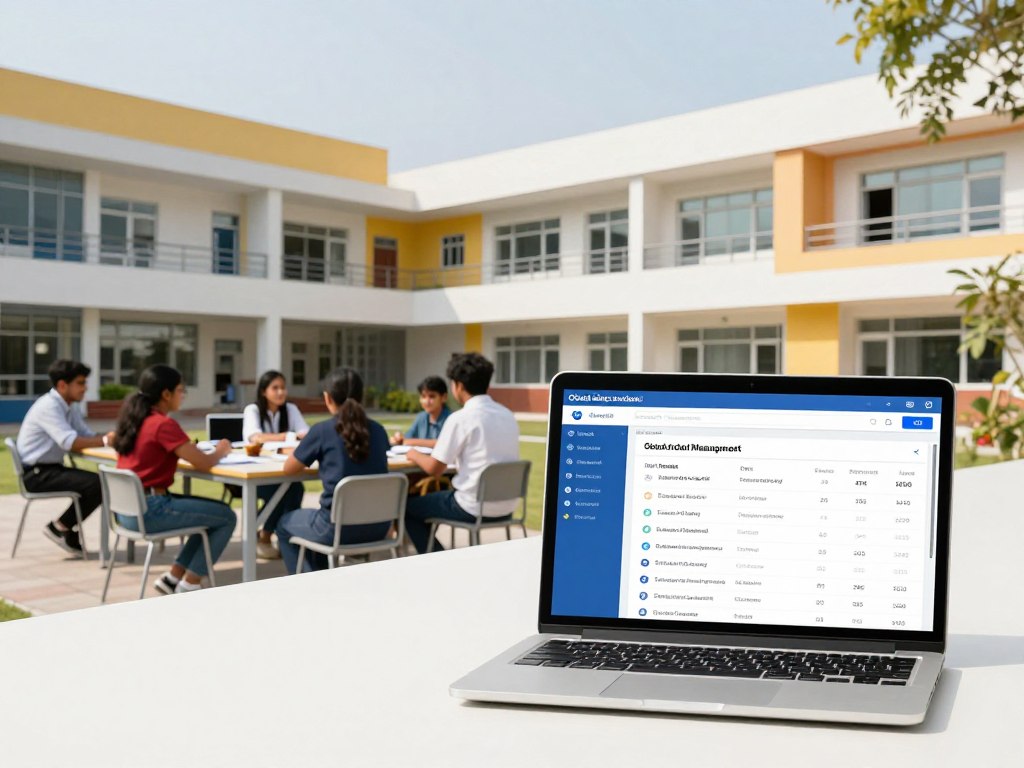
Schools in Noida face mounting pressure to modernize their operations. From managing thousands of student records to coordinating with parents and tracking fees, administrative tasks consume valuable time. School management software offers a solution that transforms how educational institutions operate.
The right school management system can reduce administrative workload by up to seventy percent. It streamlines everything from attendance tracking to exam management. For schools in Noida, choosing software that meets local needs while offering robust features makes all the difference.
This comprehensive guide explores school management software options available in Noida. You will discover essential features, implementation strategies, and how to select the best solution for your institution.
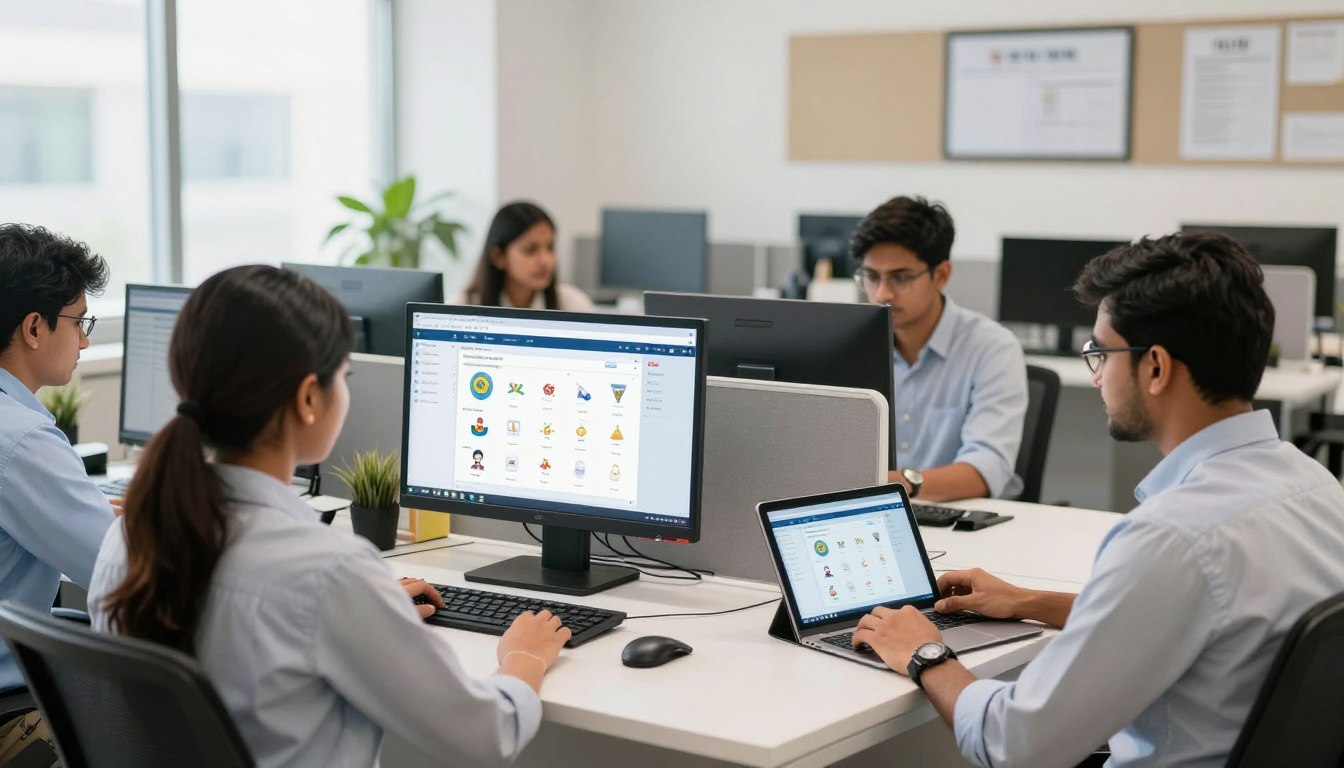
Get a free assessment of your school's digital readiness from our Noida-based education technology experts. We'll help you identify the right solutions for your specific needs.
School management software is a comprehensive digital platform. It handles the complete range of administrative and academic operations in educational institutions. The system integrates multiple functions into one unified solution.
These platforms replace traditional paper-based processes with automated workflows. They connect teachers, students, parents, and administrators through a centralized system. This digital transformation brings efficiency to every aspect of school operations.
School ERP systems go beyond basic management tools. They provide enterprise-level resource planning specifically designed for educational institutions. The software manages human resources, finances, academics, and operations simultaneously.
Educational institutions in Noida have unique requirements. They need systems that comply with CBSE guidelines while handling local fee structures. School ERP software addresses these specific needs with customizable modules.
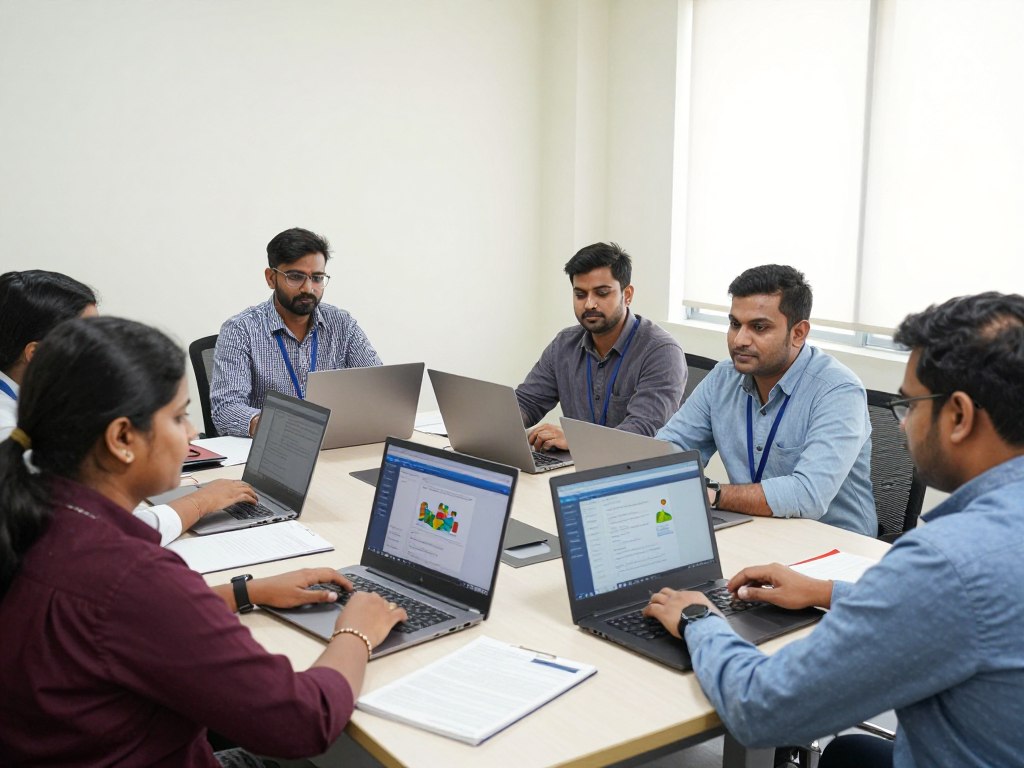
The system creates a single source of truth for all school data. This eliminates discrepancies and reduces errors in record-keeping. Administrators can access real-time information about every aspect of school operations.
Modern school management systems include several integrated modules. Each component addresses specific operational needs while sharing data across the platform. This integration ensures smooth information flow throughout the institution.
This module maintains comprehensive student records from admission to graduation. It stores academic history, personal details, and family information in organized digital profiles.
The academic module handles curriculum planning, timetable creation, and exam management. It supports teachers in delivering quality education while maintaining proper records.
Fee management forms the backbone of school financial operations. The system handles everything from fee structure definition to payment reconciliation with complete transparency.
Effective communication between school and parents strengthens the educational partnership. The system provides multiple channels for instant and scheduled communication.
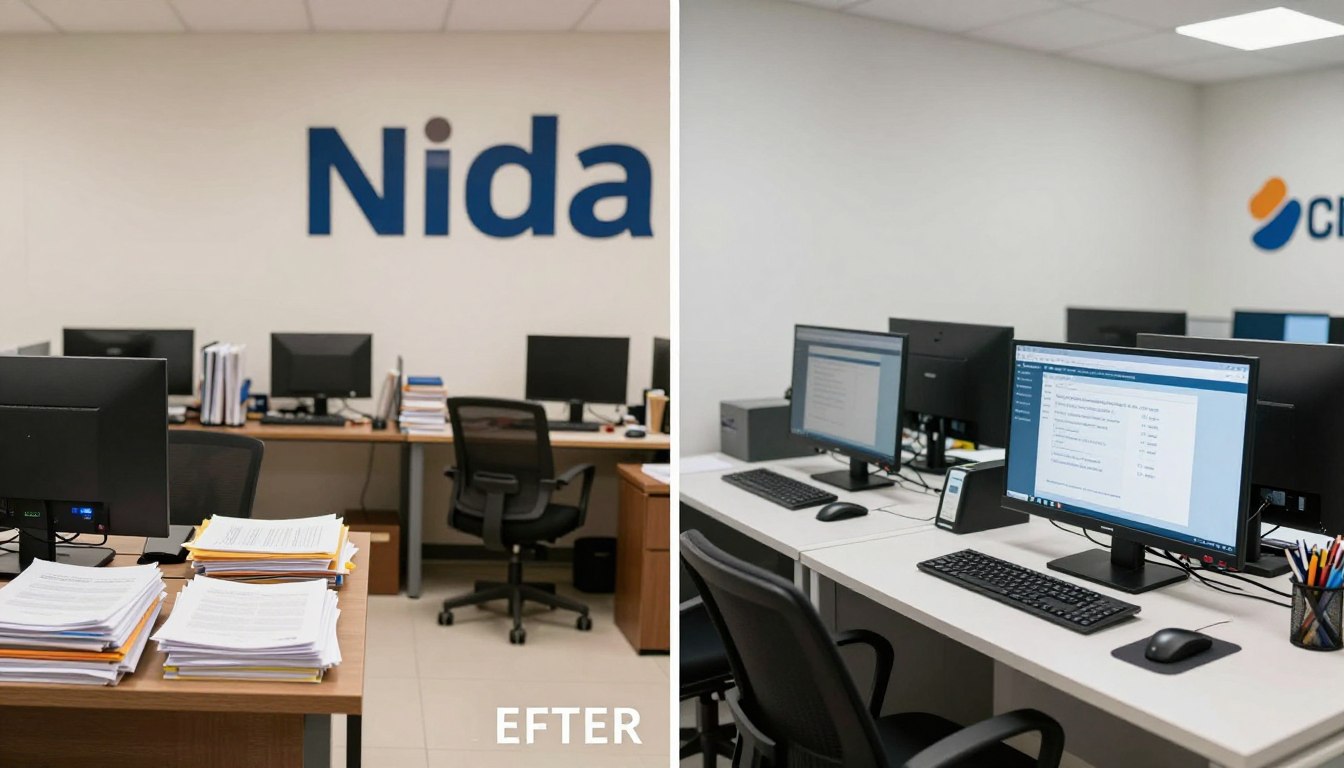
Traditional school administration relied heavily on paper registers and manual record-keeping. This approach consumed significant staff time and created challenges in data retrieval. The transition to digital systems marks a fundamental shift in school operations.
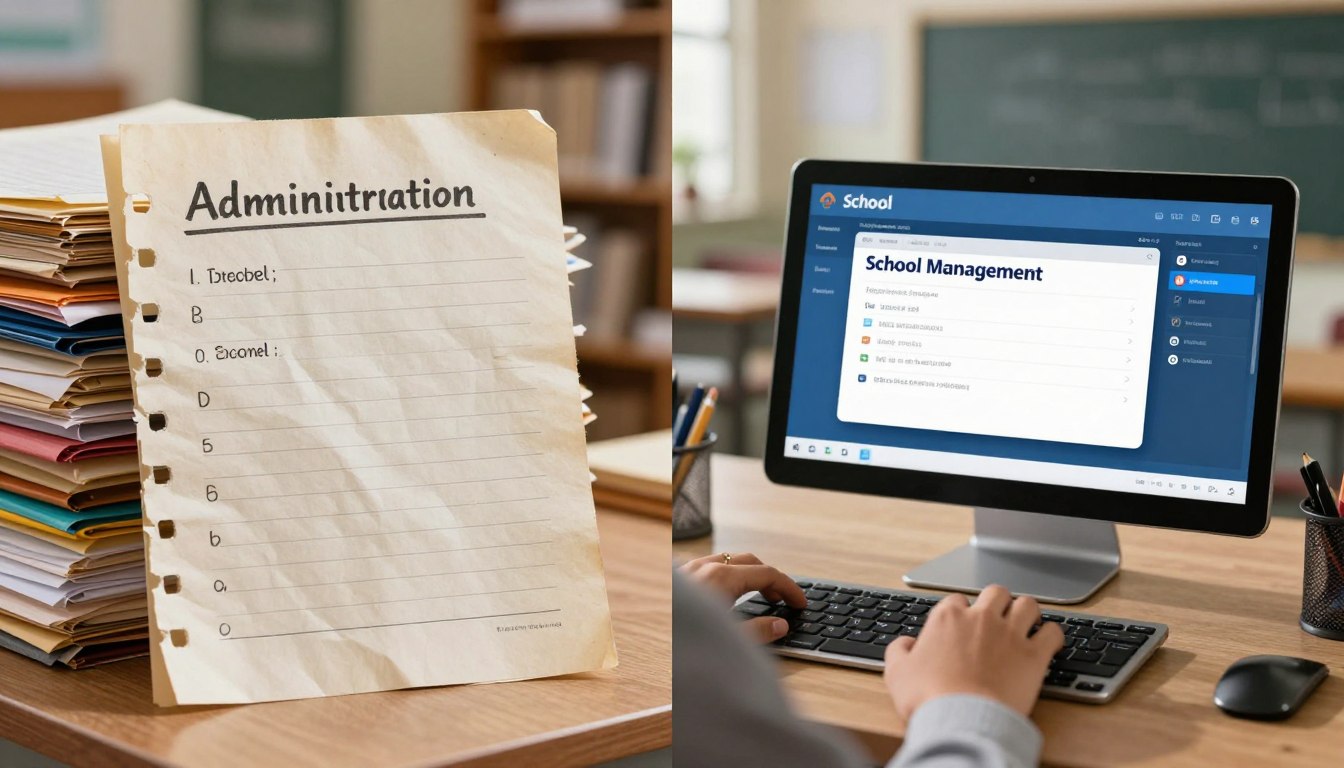
Schools adopting management software experience immediate improvements in efficiency. Data entry happens once and updates across all connected modules. Reports that took hours to compile now generate in seconds.
The digital transformation extends beyond administrative convenience. It fundamentally changes how schools serve students and parents. Information becomes accessible anytime, anywhere through web portals and mobile applications.
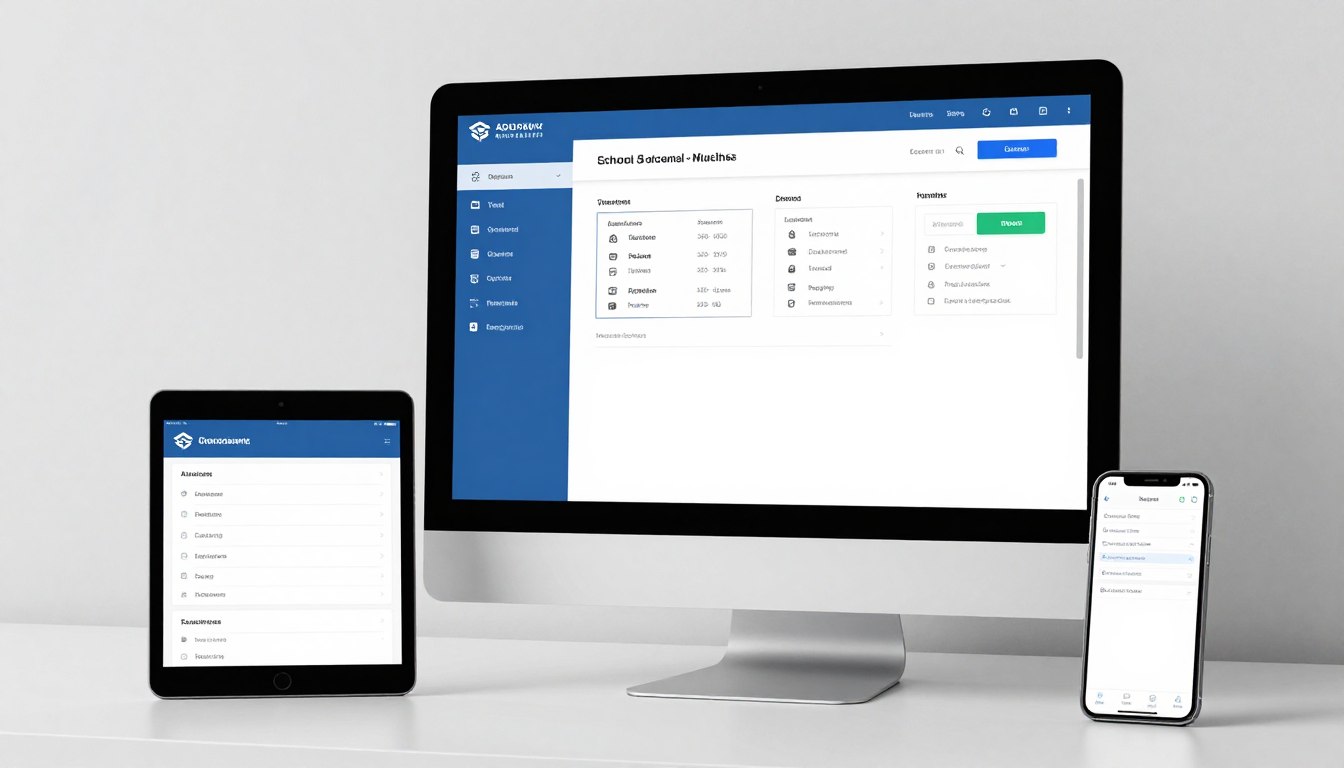
The effectiveness of school management software depends on its feature set. Schools in Noida need systems that address their specific operational requirements. Understanding these features helps in making informed decisions about software selection.
Comprehensive school ERP systems offer modules that work together seamlessly. Each feature contributes to the overall efficiency of school operations. The following sections detail the most critical capabilities of modern school management platforms.
Student management forms the foundation of any school management system. The software maintains detailed profiles for every student enrolled in the institution. This information remains accessible throughout the student's academic journey.
The enrollment process becomes streamlined with digital forms and document management. Parents can submit applications online, reducing paperwork and processing time. Administrators can track applications from submission to final admission.
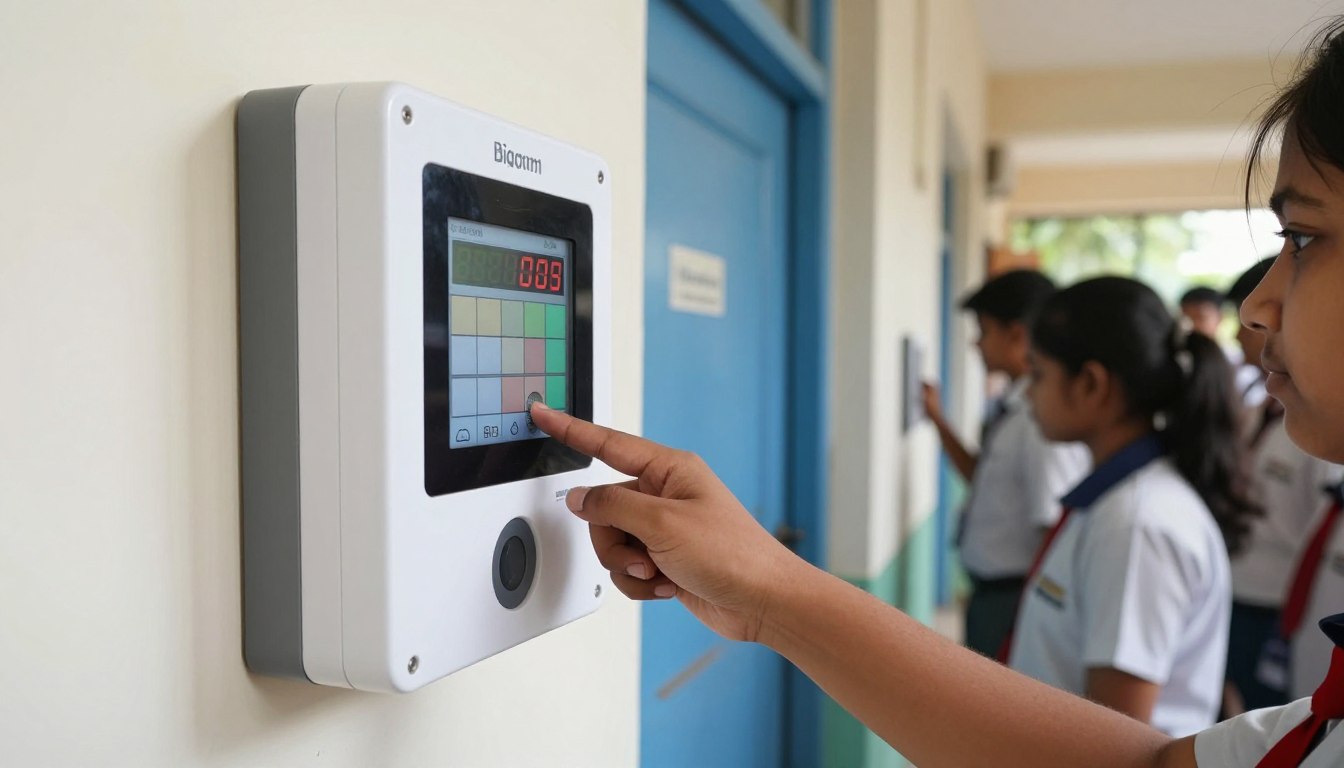
Attendance tracking represents one of the most time-consuming daily tasks in schools. School management software automates this process, saving teachers valuable instructional time. The system provides multiple methods for recording attendance based on school preferences.
Real-time updates ensure parents stay informed about their child's presence in school. Automated notifications alert parents immediately when students are absent. This feature enhances security and parental peace of mind.
Fee management presents unique challenges for schools in Noida. Different fee structures, payment schedules, and discount schemes require flexible systems. School management software handles these complexities with configurable fee modules.
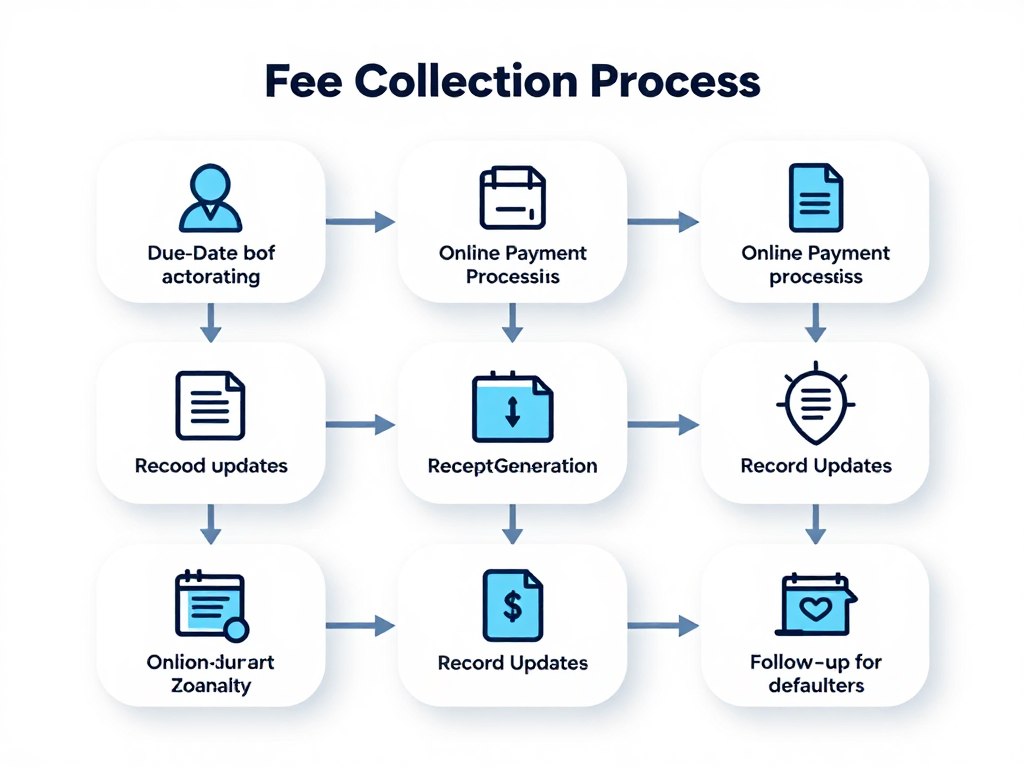
Online payment integration transforms fee collection from a time-consuming process to an automated workflow. Parents can pay fees from home using multiple payment methods. The system automatically updates records and generates receipts.
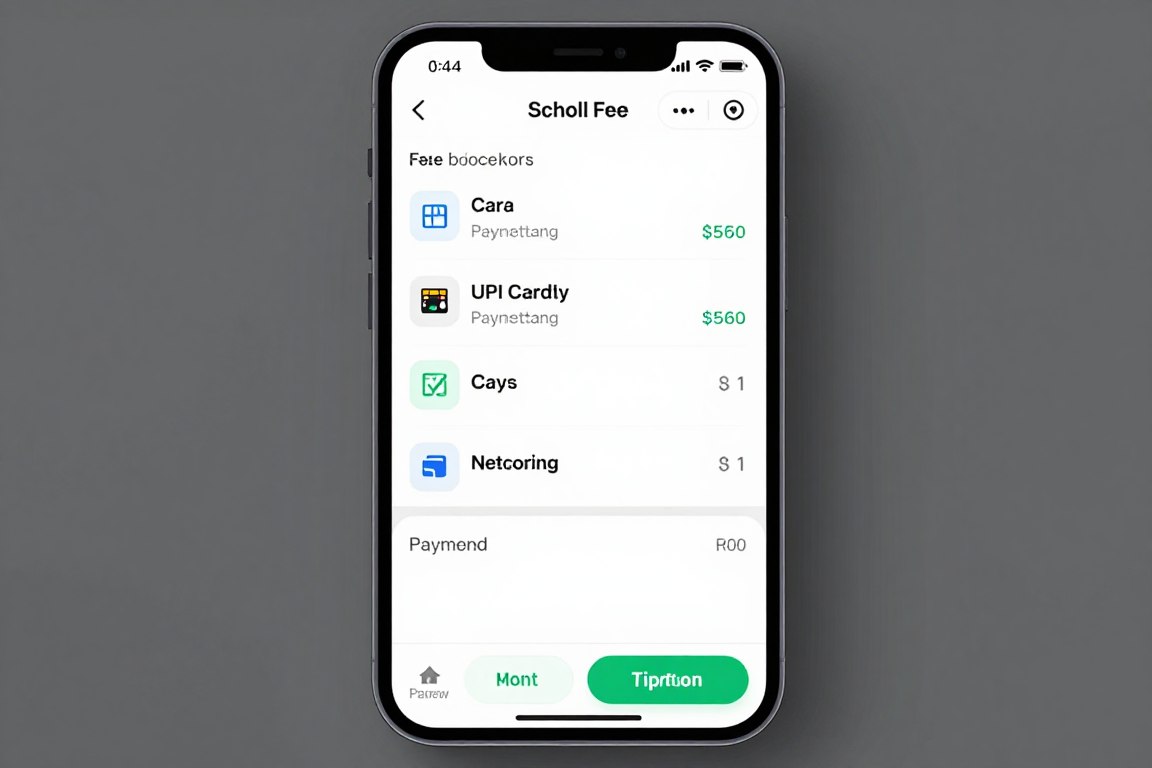
Important Note: Schools in Noida often need to handle complex fee structures including transportation fees, activity fees, and various discounts. Choose software that offers unlimited fee categories and flexible discount rules.
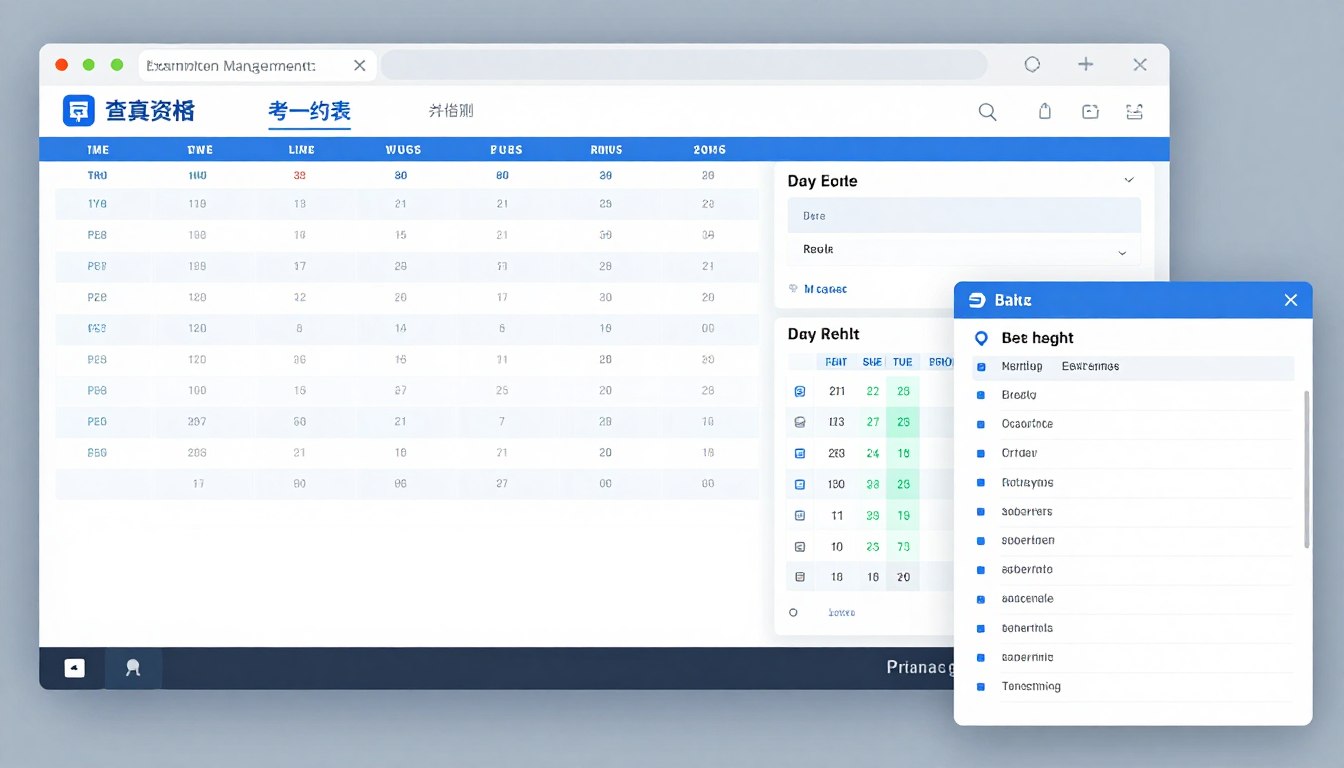
Exam management involves complex scheduling, question paper coordination, and result processing. School ERP software simplifies these tasks through automated workflows. The system handles everything from exam planning to report card distribution.
Result processing becomes faster and more accurate with automated calculations. Teachers enter marks once, and the system computes grades, percentages, and rankings. Report cards generate automatically with customizable templates.
Strong parent-school communication enhances student success. School management software provides multiple channels for keeping parents informed and engaged. The system ensures important information reaches parents promptly.
Mobile applications bring school information to parents' fingertips. They can check attendance, view exam results, communicate with teachers, and receive notifications. This transparency builds trust and strengthens the school community.
Managing teaching and non-teaching staff involves numerous administrative tasks. School management software includes HR modules that handle employee records, attendance, payroll, and performance management. This integration ensures efficient workforce management.
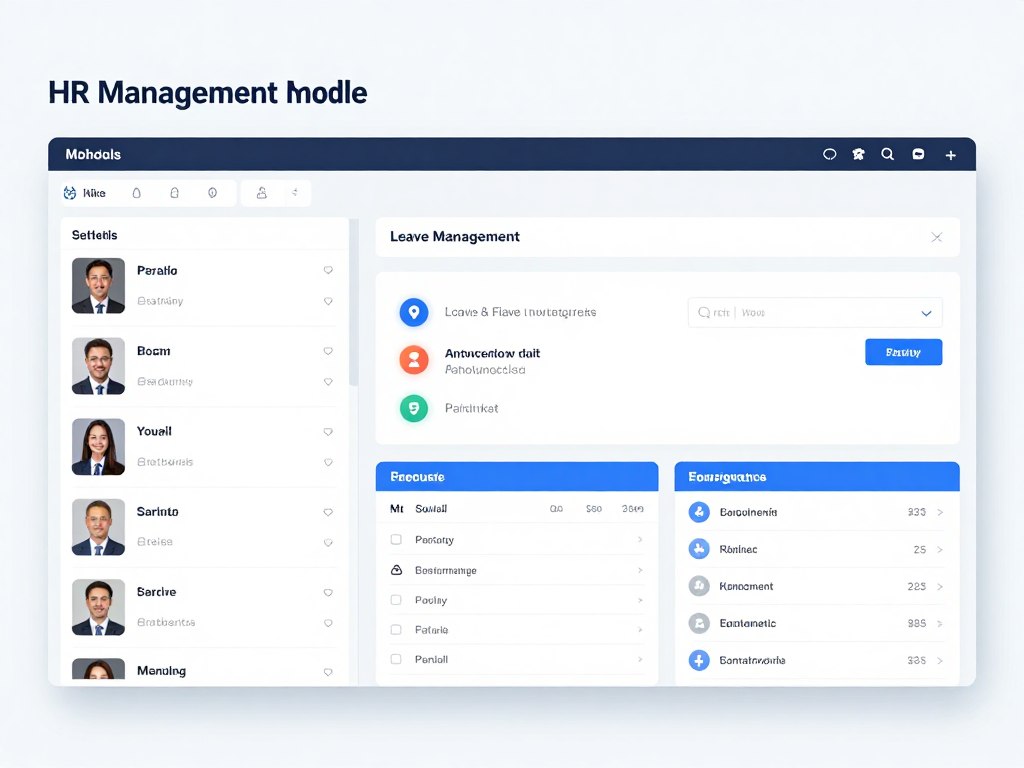
The system maintains complete employee profiles with documents, qualifications, and work history. Attendance tracking for staff mirrors student systems with biometric or mobile app options. Payroll processing becomes automated with attendance integration.
Many schools in Noida provide transportation services. Managing routes, vehicles, and student assignments requires dedicated software capabilities. School ERP systems include transport modules that optimize route planning and ensure student safety.
GPS tracking integration allows real-time monitoring of school vehicles. Parents receive notifications when buses approach pickup points or reach school. This feature significantly enhances student safety and parental confidence.
Digital library management replaces manual book registers with efficient tracking systems. The software catalogs all library resources with searchable databases. Students and teachers can browse available books and place reservations online.
Automated fine calculations and return reminders reduce administrative burden. The system tracks borrowing history and generates usage reports. Integration with student profiles enables seamless book issue and return processes.
Schools maintain significant inventory including furniture, equipment, and supplies. Management software tracks all assets with detailed records of location, condition, and maintenance history. This systematic approach prevents loss and ensures proper resource utilization.
The system generates alerts for maintenance schedules and inventory restocking needs. Purchase order management and vendor tracking streamline procurement processes. Complete audit trails maintain accountability for all asset movements.

Implementing school management software delivers transformative benefits to educational institutions. These advantages extend beyond simple automation to fundamentally improve how schools operate. Understanding these benefits helps justify the investment in digital transformation.
Schools in Noida that adopt comprehensive ERP solutions report significant improvements across multiple areas. The following sections detail the specific advantages that make school management software essential for modern educational institutions.
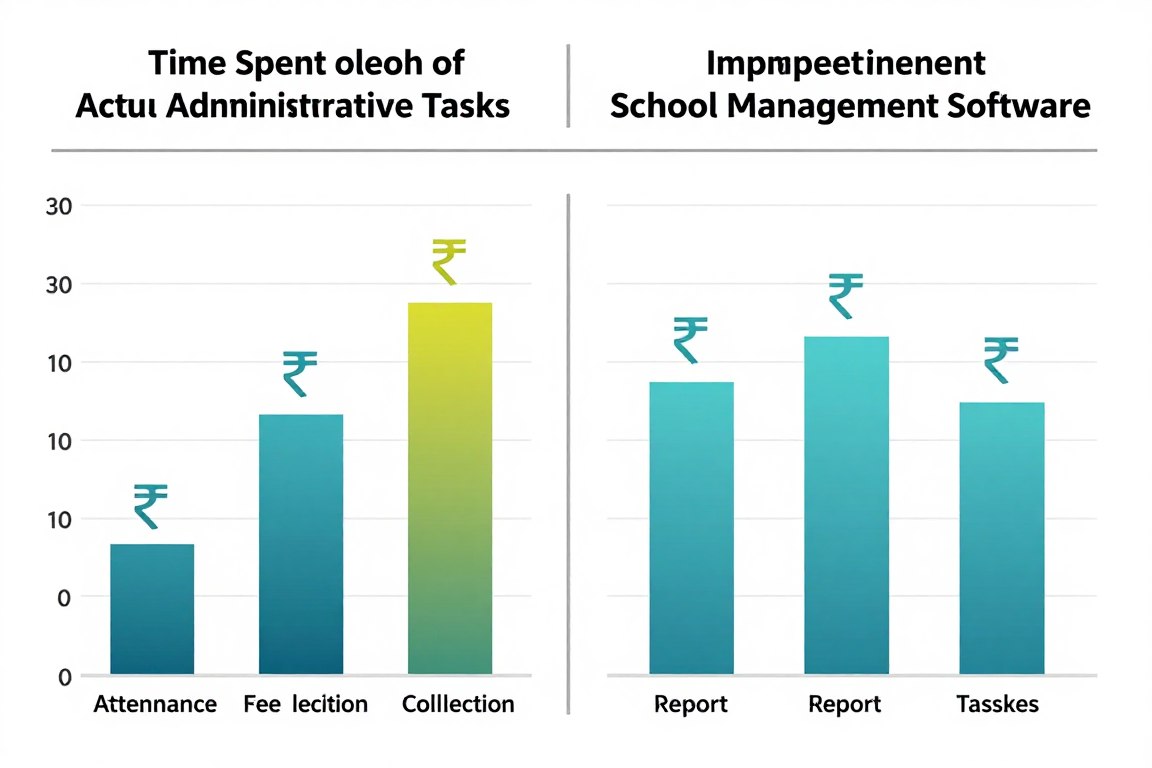
Administrative tasks that once consumed hours now complete in minutes. Automation eliminates repetitive manual work, freeing staff to focus on educational priorities. Teachers spend less time on paperwork and more time with students.
Data entry happens once and propagates across all modules automatically. This single-entry approach eliminates duplication and reduces errors. Reports generate instantly instead of requiring hours of manual compilation.
Communication gaps between schools and parents create misunderstandings and dissatisfaction. School management software bridges these gaps with instant, reliable communication channels. Parents receive timely updates about their child's academic progress and school activities.
Transparency builds trust within the school community. Parents can view attendance, fees, and examination results anytime through web portals or mobile applications. This open access eliminates the need for frequent school visits or phone calls.

"After implementing school management software, parent complaints decreased by sixty percent. They appreciate instant access to information and no longer need to visit school for routine queries."
Join over five hundred schools in Noida already benefiting from improved parent communication and digital transformation. Our solutions help strengthen school-parent partnerships through technology.
Manual record-keeping inevitably leads to errors and inconsistencies. School management systems enforce data validation rules that prevent incorrect entries. Automated calculations eliminate arithmetic mistakes in fee collection and result processing.
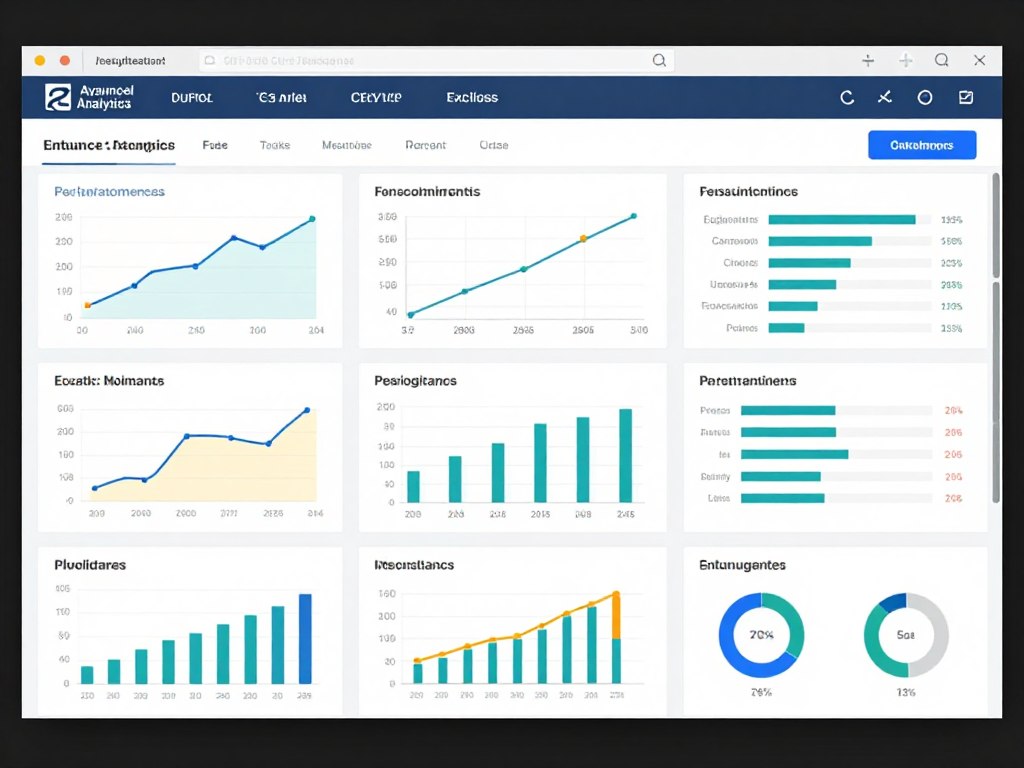
Comprehensive reporting capabilities provide insights previously hidden in scattered registers. Administrators can generate attendance trends, fee collection analysis, and academic performance reports instantly. These insights support informed decision-making at all levels.
Fee collection challenges impact school finances significantly. School management software reduces collection delays through online payment options and automated reminders. Parents appreciate the convenience of paying fees from home or office.
The system tracks every transaction with complete transparency. Financial reports provide clear pictures of income, outstanding dues, and expense patterns. This visibility enables better budget planning and financial control.
Cost Savings: Schools report reducing administrative staff costs by twenty to thirty percent after implementing comprehensive school ERP systems. Paperwork reduction saves additional expenses on printing and storage.
Parent concerns about student safety remain paramount. School management software addresses these concerns through multiple security features. Real-time attendance notifications alert parents immediately about their child's school arrival and departure.
Transport tracking with GPS integration provides live updates on school bus locations. Parents receive notifications when buses approach pickup points or reach destinations. This transparency significantly reduces anxiety about student transportation.
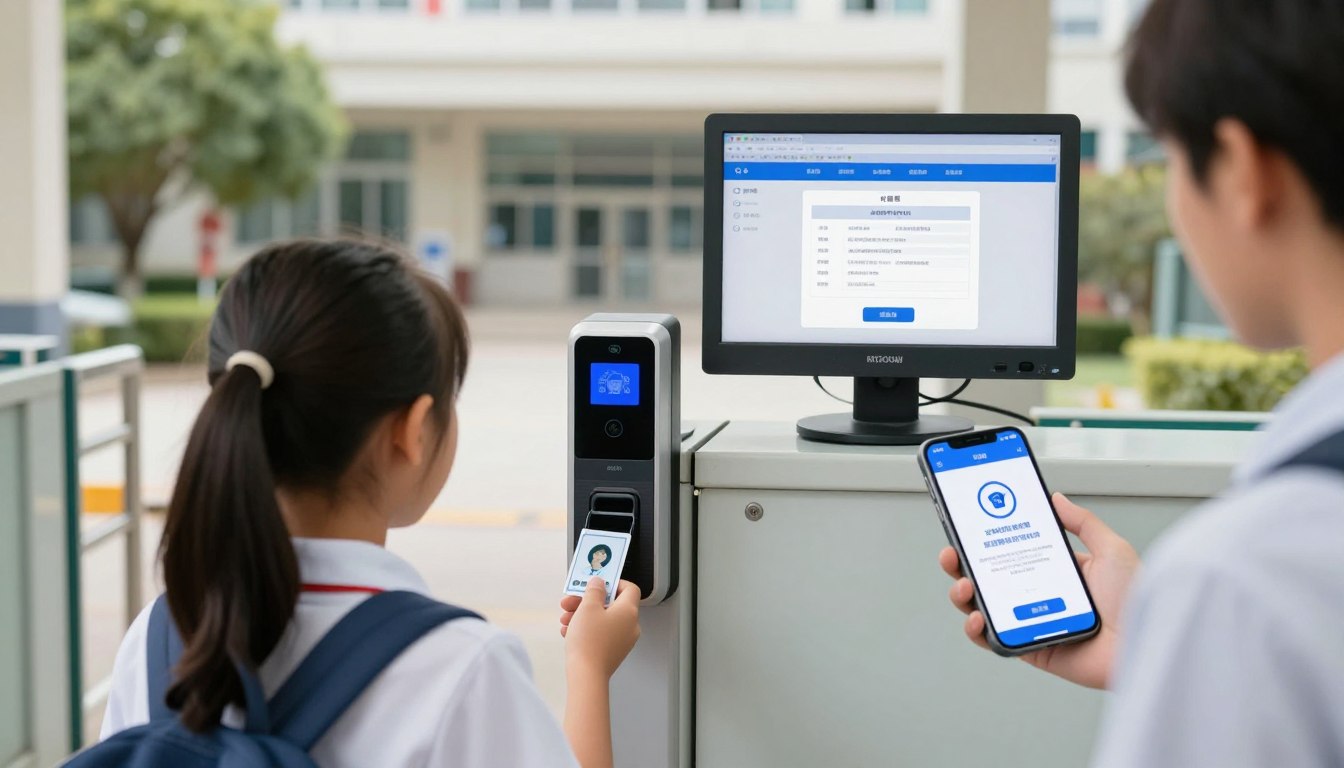
Visitor management systems track everyone entering school premises. Authorized personnel access controls ensure only approved individuals interact with students. Emergency alert capabilities enable instant communication during critical situations.
Education evolves beyond traditional classroom boundaries. School management software supports this transformation through integrated learning management features. Teachers can share study materials, assignments, and resources digitally.
Online assignment submission and grading streamline academic workflows. Students access learning resources anytime, enabling self-paced study. Parents monitor homework completion and academic progress through dedicated portals.

Schools grow and evolve over time. School ERP systems scale effortlessly to accommodate increasing student numbers and expanding operations. The software architecture supports adding new modules as institutional needs develop.
Cloud-based solutions eliminate concerns about infrastructure investments. Schools access powerful capabilities without maintaining expensive server hardware. Regular updates ensure systems remain current with latest educational technology trends.
Educational institutions must comply with various regulatory requirements. School management software helps maintain compliance through structured data management and reporting capabilities. The system generates mandatory reports in required formats automatically.
Document management features ensure proper record retention. Audit trails track all system activities for accountability. These capabilities simplify inspections and regulatory reviews significantly.
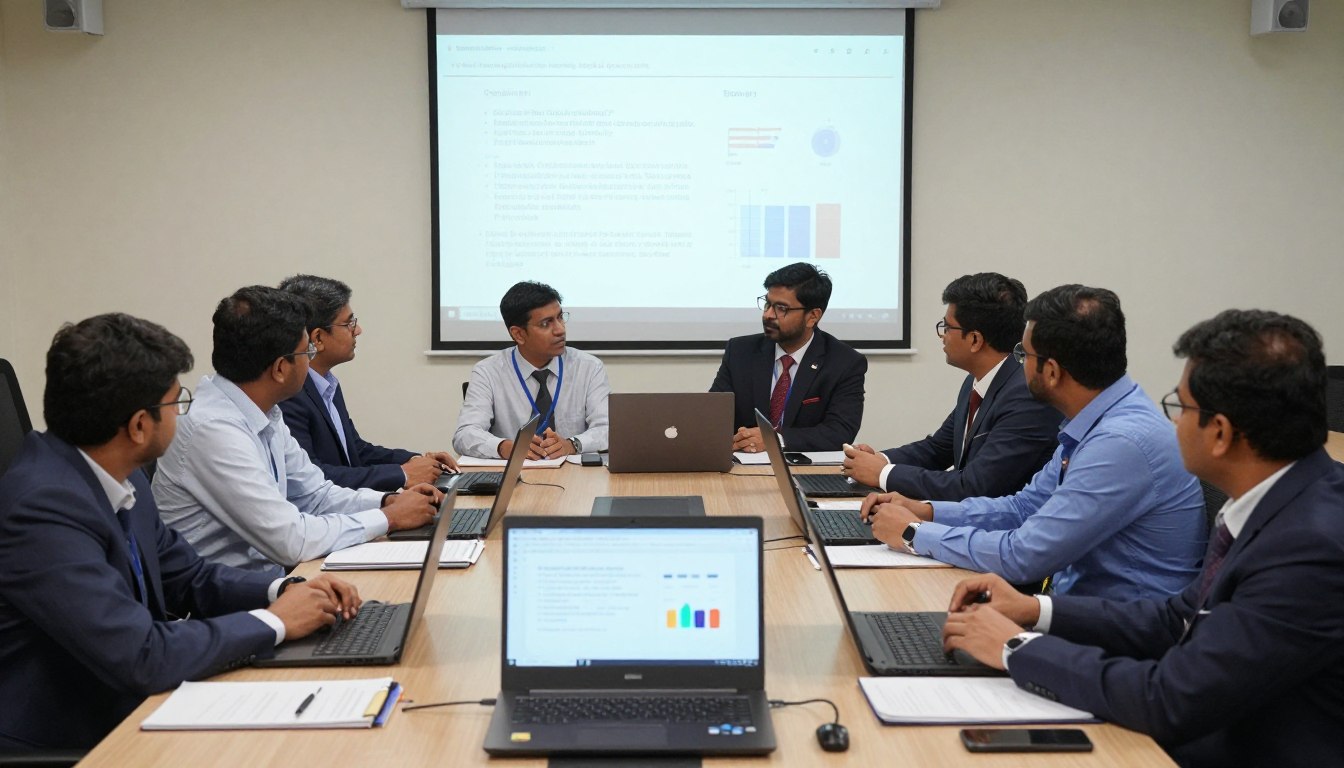
Selecting appropriate school management software requires careful evaluation of multiple factors. The right choice aligns with your institution's specific needs, budget, and growth plans. This section guides you through the critical considerations for making informed decisions.
Schools in Noida have access to numerous software providers offering varied features and pricing models. Understanding what to look for helps narrow choices to solutions that truly fit your requirements. The following criteria provide a framework for effective evaluation.
Every educational institution has unique operational requirements. Begin by documenting your school's current challenges and desired improvements. Involve teachers, administrators, and other stakeholders in this assessment process.
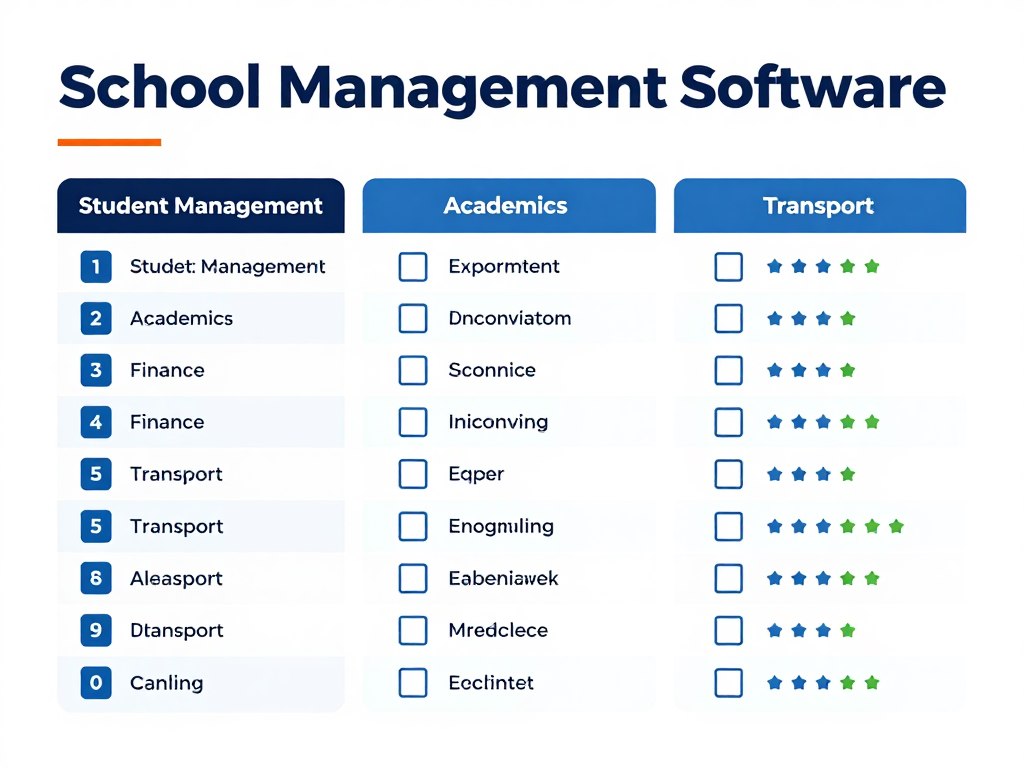
Consider your school size and projected growth over the next five years. Software that works for two hundred students may not scale efficiently to two thousand. Evaluate whether you need basic features or comprehensive ERP capabilities.
Prioritize core features that address your most critical operational needs. Comprehensive school management systems should cover student management, attendance, fee collection, examination, and communication as minimum capabilities. Additional modules can enhance functionality but may not be essential initially.
| Feature Category | Essential Features | Advanced Features | Priority Level |
|---|---|---|---|
| Student Management | Admission, profiles, promotion, ID cards | Alumni tracking, sibling mapping, health records | Critical |
| Attendance | Daily marking, SMS alerts, reports | Biometric integration, leave management, period-wise | Critical |
| Fee Management | Fee collection, receipts, reminders | Online payment, installments, discounts | Critical |
| Examination | Mark entry, report cards, grade calculation | Online exams, question banks, analytics | High |
| Communication | SMS notifications, announcements | Mobile app, messaging, photo gallery | High |
| Transport | Route management, student allocation | GPS tracking, driver app, notifications | Medium |
| Library | Book catalog, issue/return tracking | Online catalog, reservations, fine automation | Medium |
| HR/Payroll | Staff records, attendance | Payroll processing, leave management, appraisal | Medium |
Software functionality matters little if users struggle with complex interfaces. Evaluate the user experience during demonstration sessions. The system should be intuitive for users with varying technical skills.
Request trial access to test the software with your actual staff members. Observe how quickly they adapt to the interface without extensive training. A well-designed system reduces implementation time and ongoing support requirements.
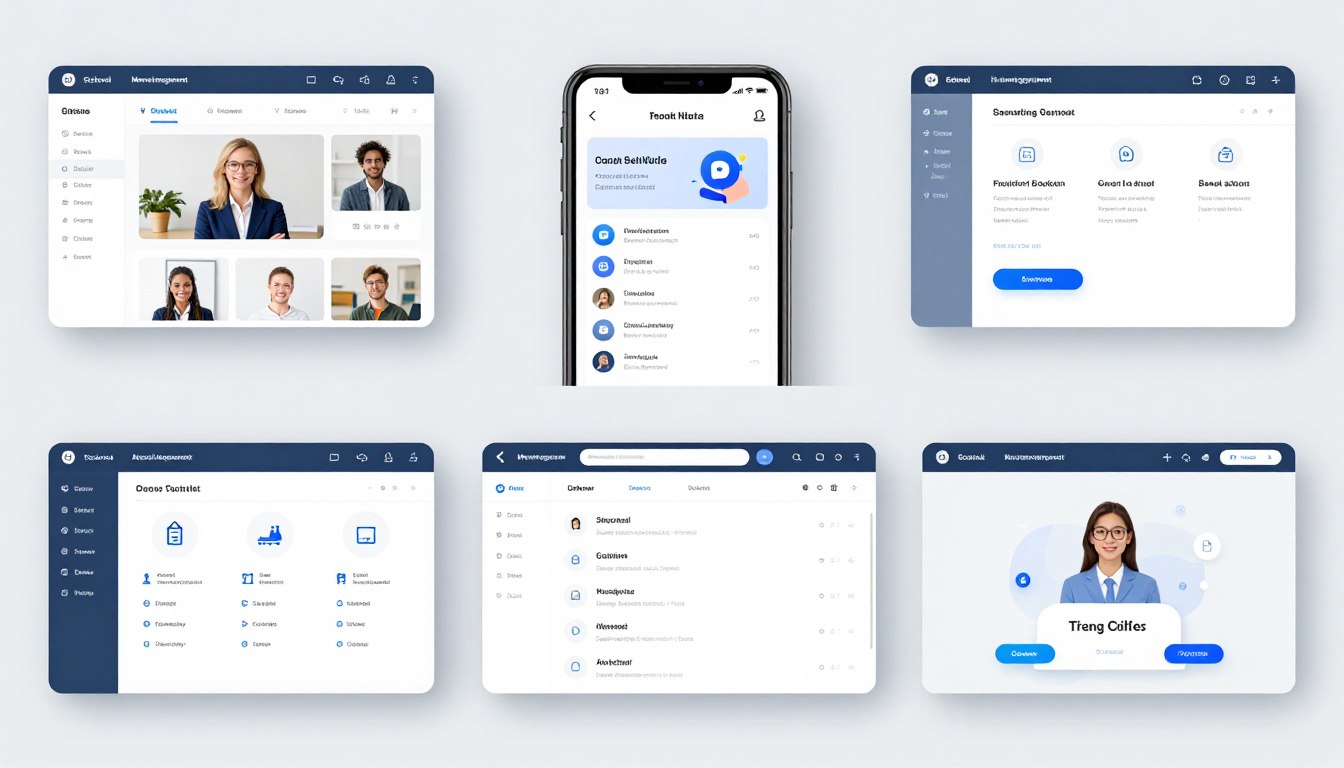
Mobile access has become essential for modern school management. Parents expect to check information from their smartphones at any time. Teachers appreciate marking attendance or accessing information on mobile devices.
Evaluate both Android and iOS app availability and functionality. The mobile app should provide meaningful features rather than just viewing capabilities. Push notifications for important updates enhance engagement significantly.
Schools handle sensitive information about students, staff, and families. Data security must be a top priority when evaluating software providers. Ensure the system complies with data protection regulations and implements industry-standard security practices.
Security Checklist: Verify that software providers offer encrypted data transmission, regular backups, role-based access controls, and compliance certifications. Ask about data ownership and privacy policies explicitly.
Cloud-based systems should store data in secure Indian data centers. Inquire about backup frequency and disaster recovery procedures. Understand who can access your data and under what circumstances.
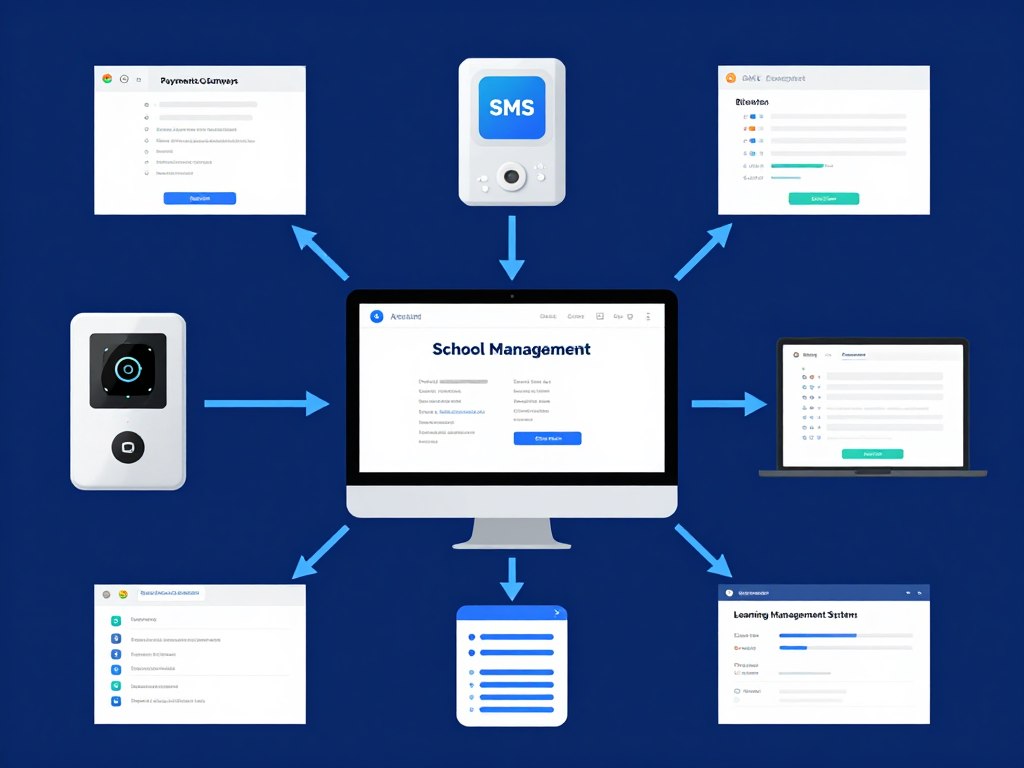
School management software should integrate with systems you already use. Payment gateway integration enables online fee collection. Biometric device compatibility allows automated attendance. SMS gateway integration facilitates parent communication.
Evaluate the software's ability to import existing data from spreadsheets or previous systems. Data migration support during implementation saves significant time and effort. Export capabilities ensure you never lose access to your information.
The software provider's reputation and support quality significantly impact your long-term satisfaction. Research vendor track records and client testimonials. Speak with other schools in Noida currently using their solutions.
Evaluate the support services included in your contract. Responsive technical support becomes crucial when issues arise during critical operations like examination or admission periods. Clarify support availability, response times, and escalation procedures.
School management software pricing varies widely based on features, deployment models, and vendor pricing strategies. Understand all costs involved beyond the initial license or subscription fee. Hidden costs can significantly impact your budget.
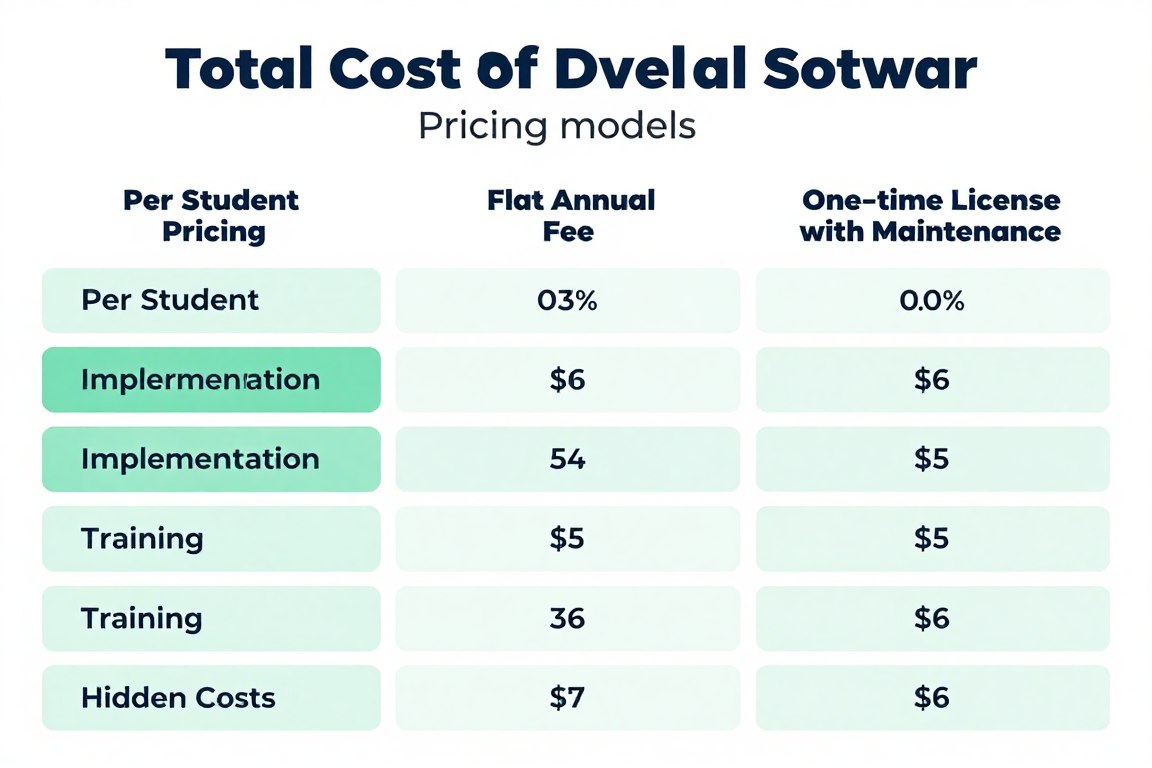
Cloud-based software typically charges annual or monthly subscriptions per student. On-premise solutions require upfront license fees plus ongoing maintenance costs. Compare total cost of ownership over three to five years for accurate evaluation.
| Cost Component | Cloud-Based | On-Premise | What to Consider |
|---|---|---|---|
| Initial Setup | Low to Medium | High | Implementation, data migration, customization |
| Software License | Annual subscription | One-time perpetual | Per student or flat fee structure |
| Infrastructure | None required | Server, networking equipment | Hardware costs, maintenance, electricity |
| Training | Included or extra | Usually extra | Initial and ongoing training needs |
| Support | Included in subscription | Annual maintenance contract | Response time, availability, scope |
| Updates | Automatic and free | Paid version upgrades | Frequency, downtime, compatibility |
| Customization | Limited, extra cost | More flexible, extra cost | Specific requirements, future changes |
Every school operates slightly differently. Software should accommodate your specific workflows rather than forcing you to change established processes. Evaluate customization options for forms, reports, and workflows.
Some customization might be necessary during implementation. Clarify what modifications are possible, associated costs, and timeline. Excessive customization can complicate future updates, so balance flexibility with standardization.
Never commit to school management software without thorough testing. Request extended trial periods with access to all features you plan to use. Involve multiple stakeholders in testing different modules.
Prepare specific scenarios from your daily operations to test during demonstrations. Observe how the software handles your actual use cases. Pay attention to system performance under realistic data loads.
Download our comprehensive School ERP Selection Checklist with over fifty evaluation criteria. Make informed decisions backed by expert guidance specific to Noida schools.
The Noida market offers numerous school management software solutions with varying capabilities and pricing. This section highlights leading options available to educational institutions in the region. Understanding these choices helps narrow your selection based on specific requirements.
Each software provider brings unique strengths to the market. Some excel in comprehensive feature sets while others focus on user experience or specialized capabilities. The following overview presents options across different categories and price points.
These full-featured platforms serve large educational institutions with complex requirements. They offer extensive modules covering every aspect of school operations. Implementation typically requires significant investment but delivers comprehensive digital transformation.
Complete digital transformation solutions designed for large schools and educational chains with multiple branches. These systems integrate all operational aspects into unified platforms.
Ideal For: Schools with 1000+ students, multiple branches, complex organizational structures
Investment Range: ₹500,000 to ₹2,000,000+ annually
Balanced platforms offering robust functionality without enterprise complexity. These solutions provide excellent value for established schools seeking comprehensive automation.
Ideal For: Schools with 300-1000 students, established institutions upgrading from manual systems
Investment Range: ₹100,000 to ₹500,000 annually
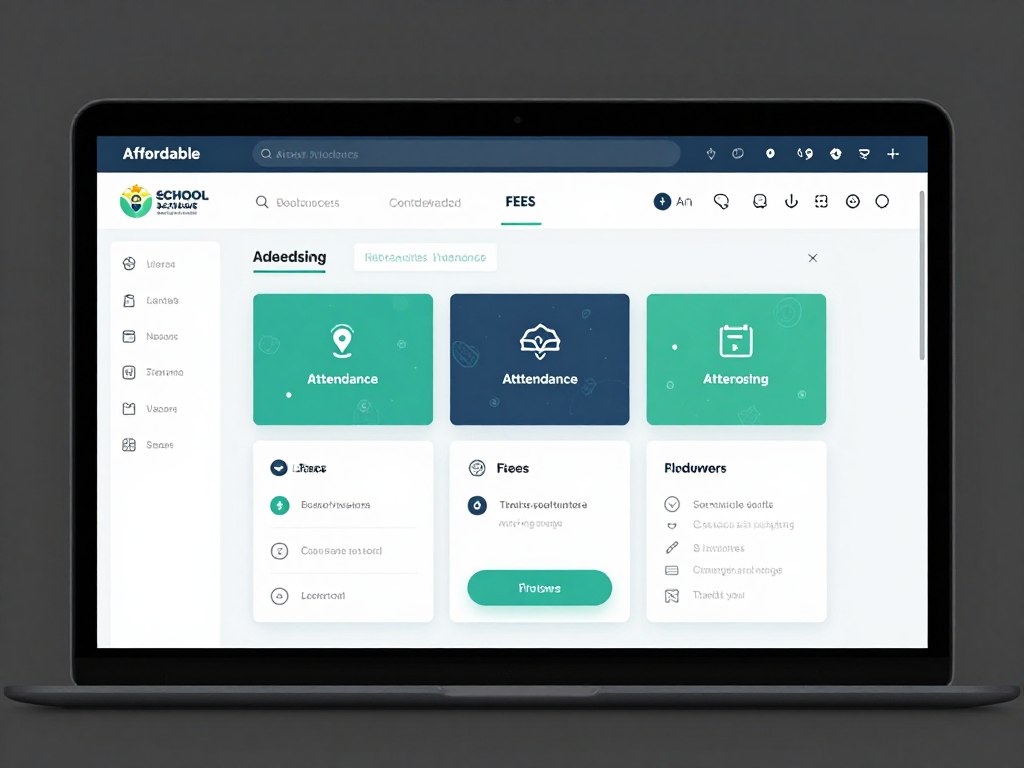
Cost-effective solutions focusing on essential features for small to medium schools. These platforms provide core functionality without expensive add-ons.
Ideal For: Small schools under 300 students, new institutions, budget-conscious organizations
Investment Range: ₹20,000 to ₹100,000 annually
Different educational institutions have unique operational requirements. Specialized software caters to specific school types with tailored features and workflows. These focused solutions often provide better fits than generic platforms.
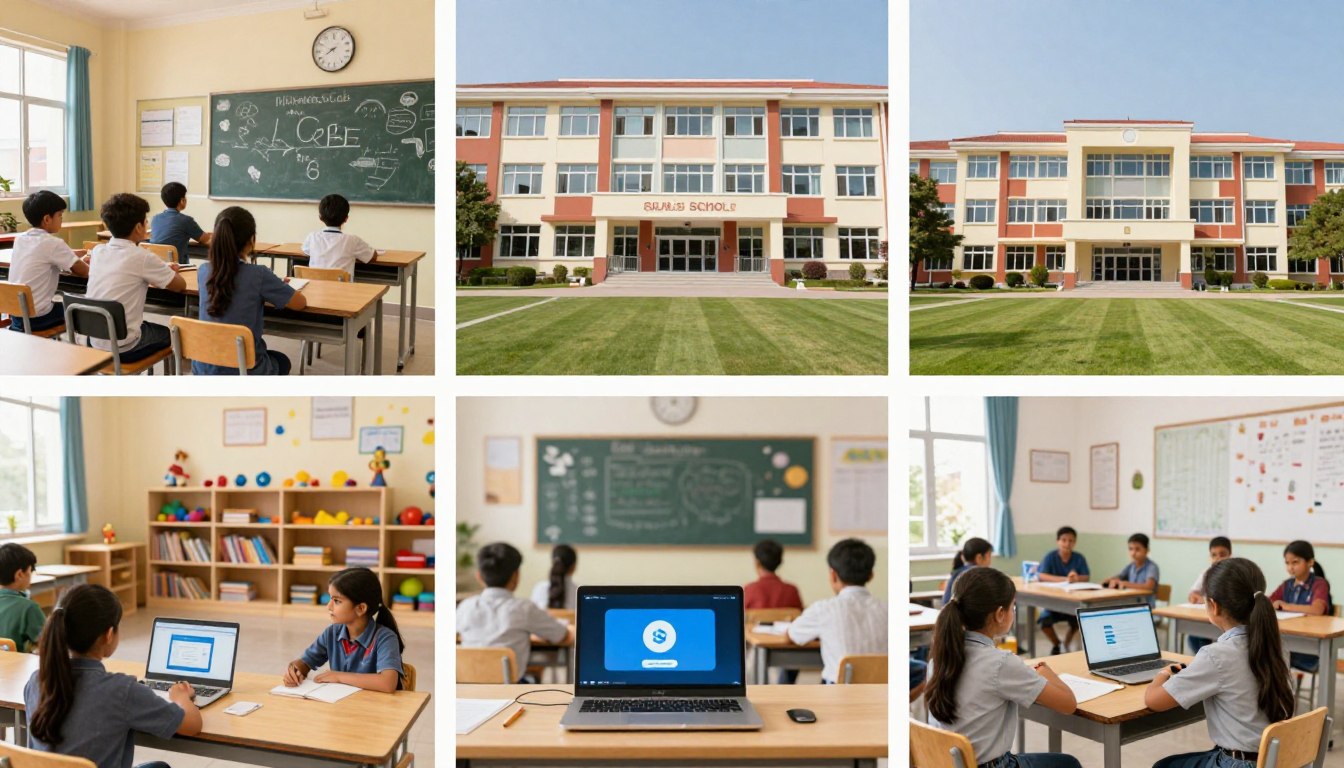
Software designed specifically for CBSE curriculum requirements with CCE grading, report card formats, and examination patterns aligned with board guidelines.
Platforms supporting international curricula like IB, Cambridge IGCSE with appropriate assessment methods and reporting standards.
Simplified systems focusing on early childhood education needs with parent engagement features and developmental milestone tracking.
Specialized platforms for coaching centers with batch management, test series, and performance analysis focused on competitive exam preparation.
Some software providers excel in particular areas while offering standard functionality elsewhere. Selecting based on your priority features ensures you get best-in-class capabilities where they matter most.
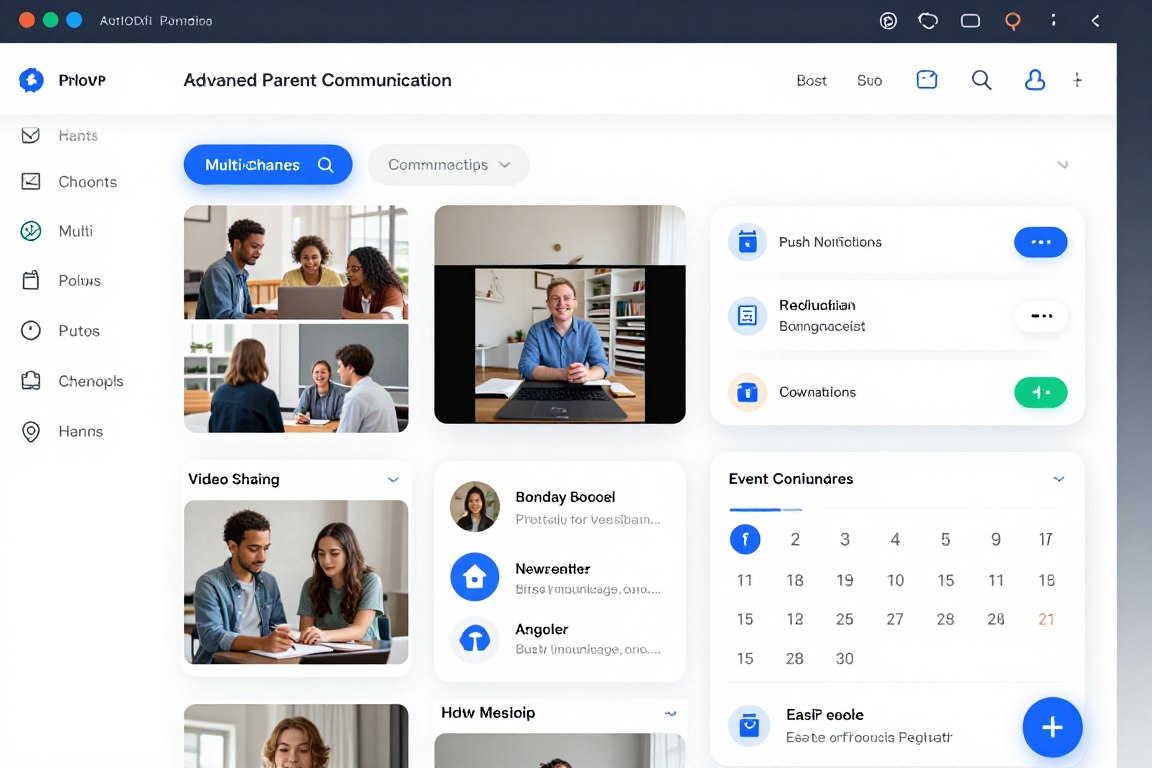
Platforms leading in parent engagement with sophisticated communication tools, mobile apps, and multimedia sharing capabilities.
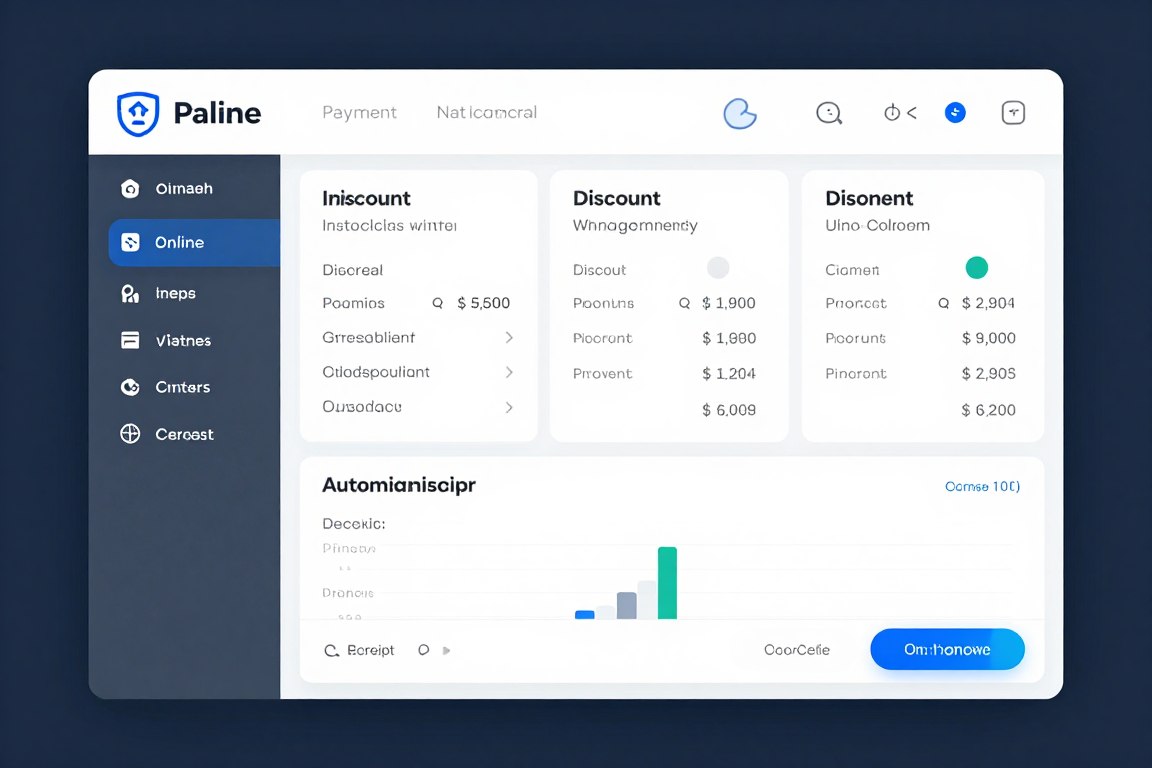
Systems specializing in financial operations with advanced payment processing, reconciliation, and comprehensive financial reporting.
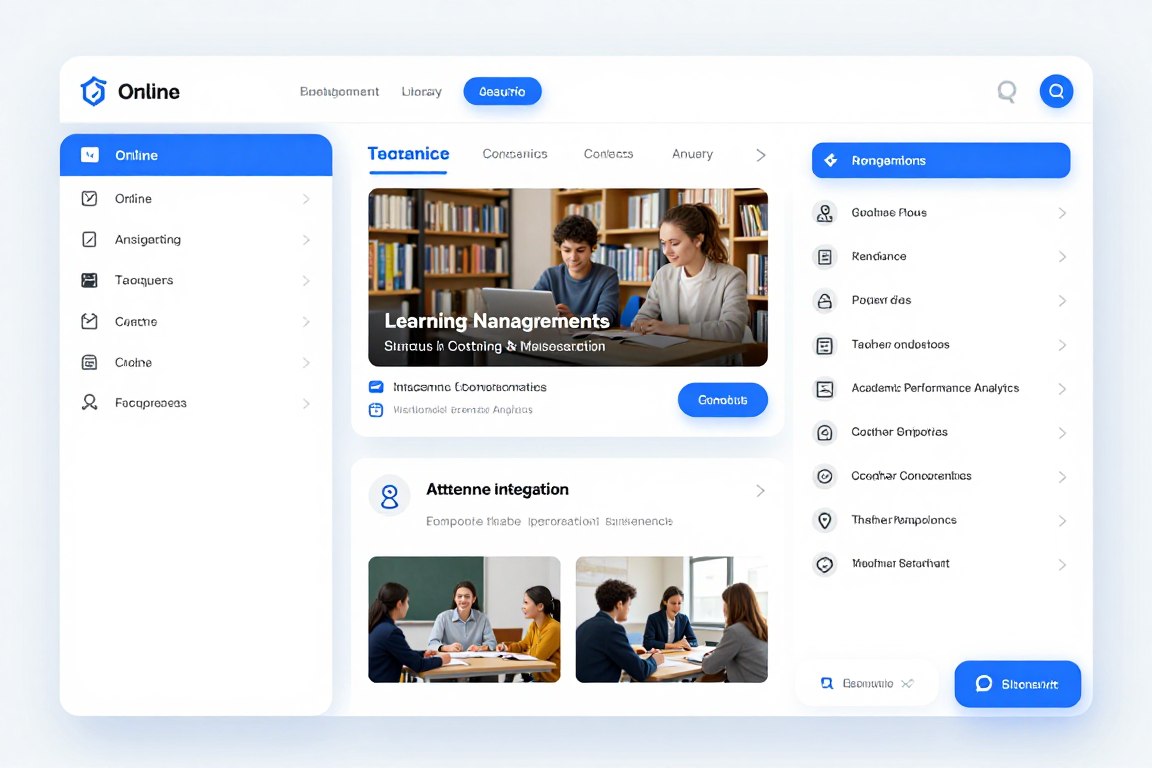
Platforms emphasizing teaching and learning with integrated learning management, assessment tools, and academic analytics.
Several software companies operate from Noida, offering advantages in local support and understanding of regional requirements. These providers often deliver personalized service and quick on-site assistance when needed.

Advantage of Local Providers: Noida-based companies understand local school requirements, provide faster on-site support, and often offer more flexible pricing for institutions in the National Capital Region.
Established software providers with pan-India or global presence bring proven solutions and extensive resources. These companies offer stability, regular updates, and large user communities for knowledge sharing.
National providers typically serve thousands of schools across India. They invest heavily in product development and maintain robust support infrastructure. International solutions bring global best practices but may require localization.

Schools with specific requirements or technical expertise might consider open-source platforms or custom development. These approaches offer maximum flexibility but require technical resources for implementation and maintenance.
Open-source school management software provides free core functionality with community support. Custom development delivers solutions perfectly matched to requirements but involves higher costs and longer timelines. Evaluate these options carefully against commercial alternatives.

Successful software implementation requires careful planning and execution. The transition from manual or existing systems to new school management software involves multiple phases. This guide outlines best practices for smooth implementation.
Many schools underestimate implementation complexity and timeline. Proper planning prevents disruptions to daily operations. The following roadmap helps ensure your school maximizes the return on software investment.
Thorough preparation sets the foundation for successful implementation. Form an implementation team including administrators, IT staff, teachers, and a representative from the software vendor. Define clear objectives, timelines, and success metrics.
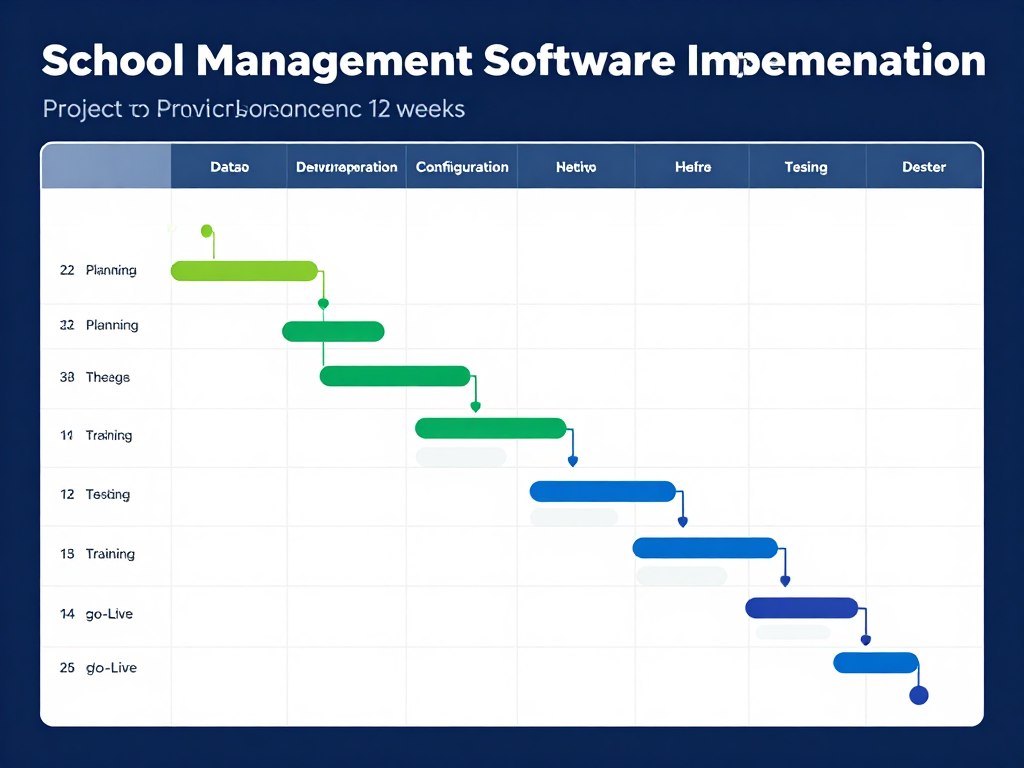
Data migration transfers information from existing systems into the new platform. This critical phase requires accuracy to prevent operational issues. Work closely with the vendor's implementation team during this process.
System configuration customizes the software to match your school's specific requirements. Set up fee structures, academic calendars, examination patterns, and user permissions. Thorough configuration prevents the need for changes after go-live.
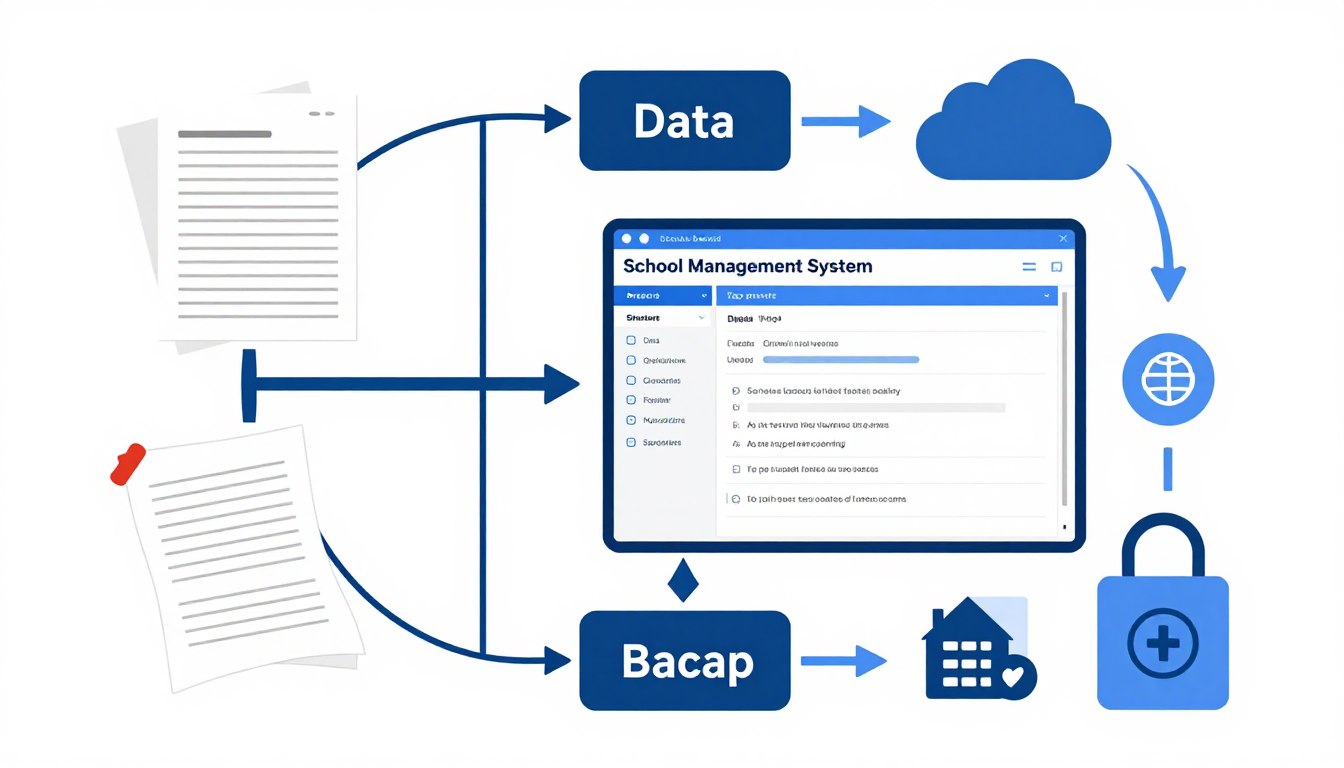
Data Migration Best Practice: Never delete old data immediately after migration. Maintain parallel systems for at least one academic session to verify accuracy and retrieve information if needed.
Comprehensive training ensures users can leverage software capabilities effectively. Different user groups require tailored training focusing on features relevant to their roles. Plan multiple training sessions rather than single events.
Change management addresses resistance and builds enthusiasm for the new system. Identify early adopters who can become champions. Address concerns transparently and provide extra support to hesitant users.
Never implement school management software across the entire institution simultaneously. Start with pilot testing in limited areas. Select one grade or department to use the system while others continue existing processes.
Pilot testing identifies issues in controlled environments before full deployment. Gather feedback from pilot users and make necessary adjustments. This approach minimizes risks and builds confidence among remaining users.
The go-live date marks the official transition to the new system. Ensure extra support availability during the first few weeks. Technical issues and user questions naturally arise during this adjustment period.
Plan go-live during less critical periods if possible. Avoid examination or admission seasons for initial deployment. Start at the beginning of a new academic term when data volumes are manageable.
Implementation doesn't end at go-live. Conduct formal reviews at thirty, sixty, and ninety days after deployment. Assess whether the system meets initial objectives and identify areas for improvement.
Gather feedback from all user groups through surveys and meetings. Address pain points through additional training or configuration adjustments. Regular optimization ensures the software continues meeting evolving needs.


Administrative automation represents one of the most significant benefits of school management software. Tasks that once consumed hours now complete automatically. This efficiency allows staff to focus on educational priorities rather than paperwork.
Understanding automation capabilities helps schools maximize their software investment. The following sections detail how school ERP systems automate various operational aspects. These improvements directly impact daily efficiency and accuracy.
Manual attendance registers waste valuable instructional time daily. Digital attendance systems reduce marking time from fifteen minutes to under two minutes per class. Teachers can mark attendance on mobile devices or computers instantly.
Biometric integration eliminates proxy attendance concerns. Students scan fingerprints or RFID cards upon entry. The system records timestamps automatically and triggers parent notifications immediately for absences.
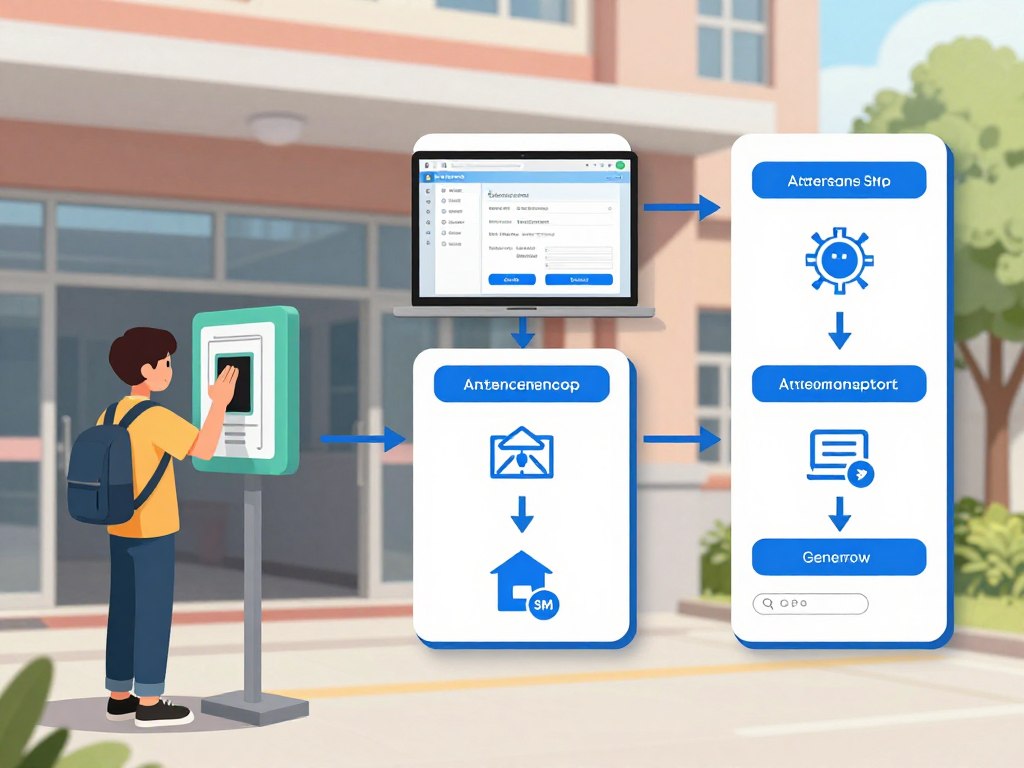
Automated attendance reports provide insights previously impossible with manual systems. Administrators can identify attendance patterns, generate defaulter lists, and analyze trends. Period-wise attendance helps track subject-specific absence patterns.
Fee collection automation transforms one of the most time-intensive school operations. Online payment gateways enable parents to pay fees anytime without visiting school. The system automatically updates records, generates receipts, and reconciles payments.
Automated reminder systems send notifications before due dates and after missed payments. The software calculates late fees automatically based on configured rules. This automation reduces collection delays and improves cash flow significantly.
Result processing represents another area where automation delivers substantial time savings. Teachers enter marks once through web interfaces or mobile apps. The system automatically calculates totals, percentages, grades, and rankings based on configured rules.
Report card generation happens instantly after mark entry completion. The software applies grading scales, calculates GPAs, and formats cards according to templates. Batch printing or digital distribution eliminates manual card writing entirely.
Automated communication ensures parents receive timely information without manual effort. The system triggers notifications based on events like attendance marking, fee due dates, examination schedules, or important announcements.
Schools can schedule communications in advance for holidays, events, or routine updates. Automated birthday wishes, fee reminders, and examination notifications strengthen parent engagement without consuming staff time.
Generating management reports manually consumed hours of staff time. School management software produces comprehensive reports instantly. Administrators access real-time data across all operational areas for informed decision-making.
Scheduled reports can email automatically to relevant stakeholders daily, weekly, or monthly. This automation ensures consistent information flow without manual effort. Custom reports address specific analytical needs.
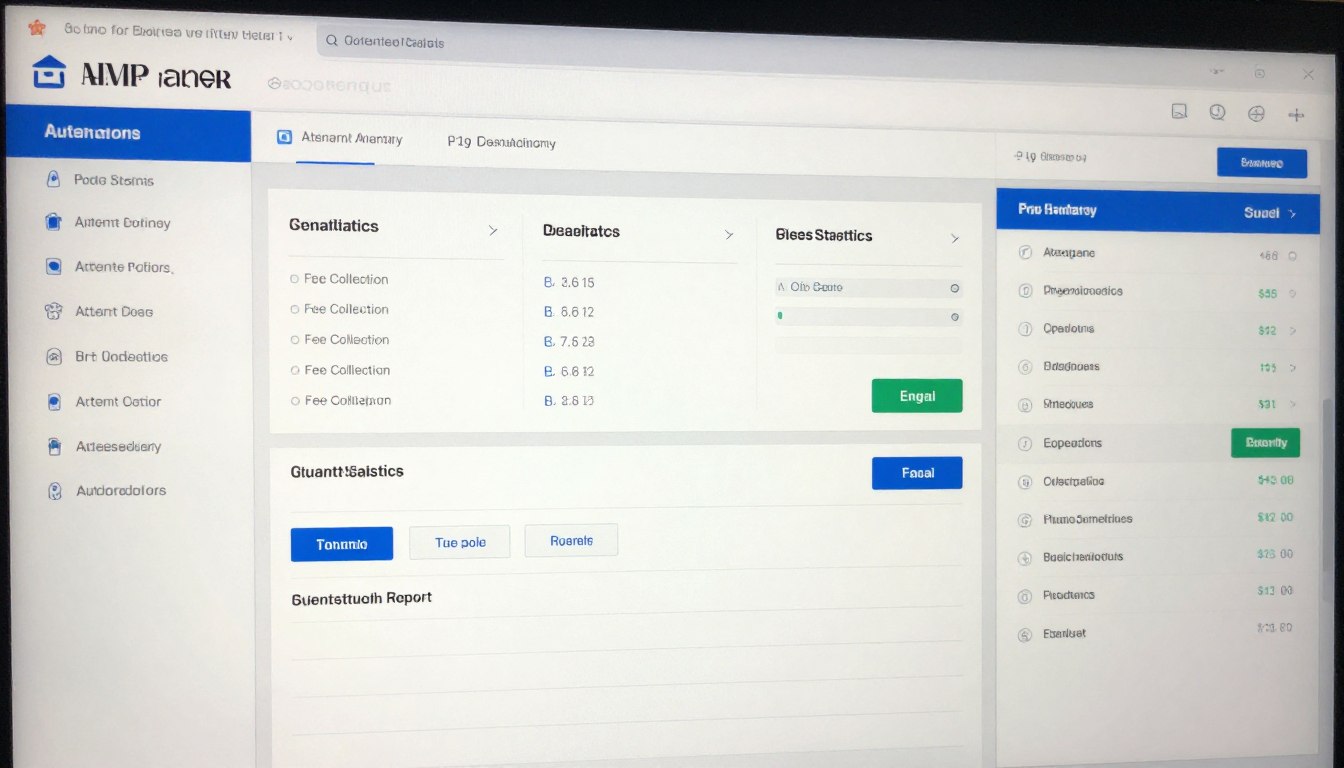
Student progression through school involves numerous administrative steps. Automation handles promotion, section allocation, and migration processes systematically. The software maintains complete historical records automatically throughout student tenure.
Transfer certificate generation, leaving procedures, and alumni database updates occur through automated workflows. This systematic approach ensures no administrative steps are overlooked during student transitions.

Digital transformation extends beyond implementing software tools. It represents a fundamental shift in how educational institutions operate and deliver services. Schools in Noida increasingly recognize technology as essential for competitive advantage and operational excellence.
The COVID pandemic accelerated digital adoption across education sectors. Schools that invested in management software transitioned smoothly to remote operations. This experience reinforced the importance of digital infrastructure for institutional resilience.
Noida's educational institutions demonstrate varying levels of digital maturity. Some schools have adopted comprehensive ERP systems while others continue with manual processes. The gap between digitally advanced and traditional schools continues widening.
Parents increasingly demand digital conveniences like online fee payment and real-time communication. Schools offering these capabilities attract enrollment over those lacking digital infrastructure. Technology has become a significant factor in school selection decisions.
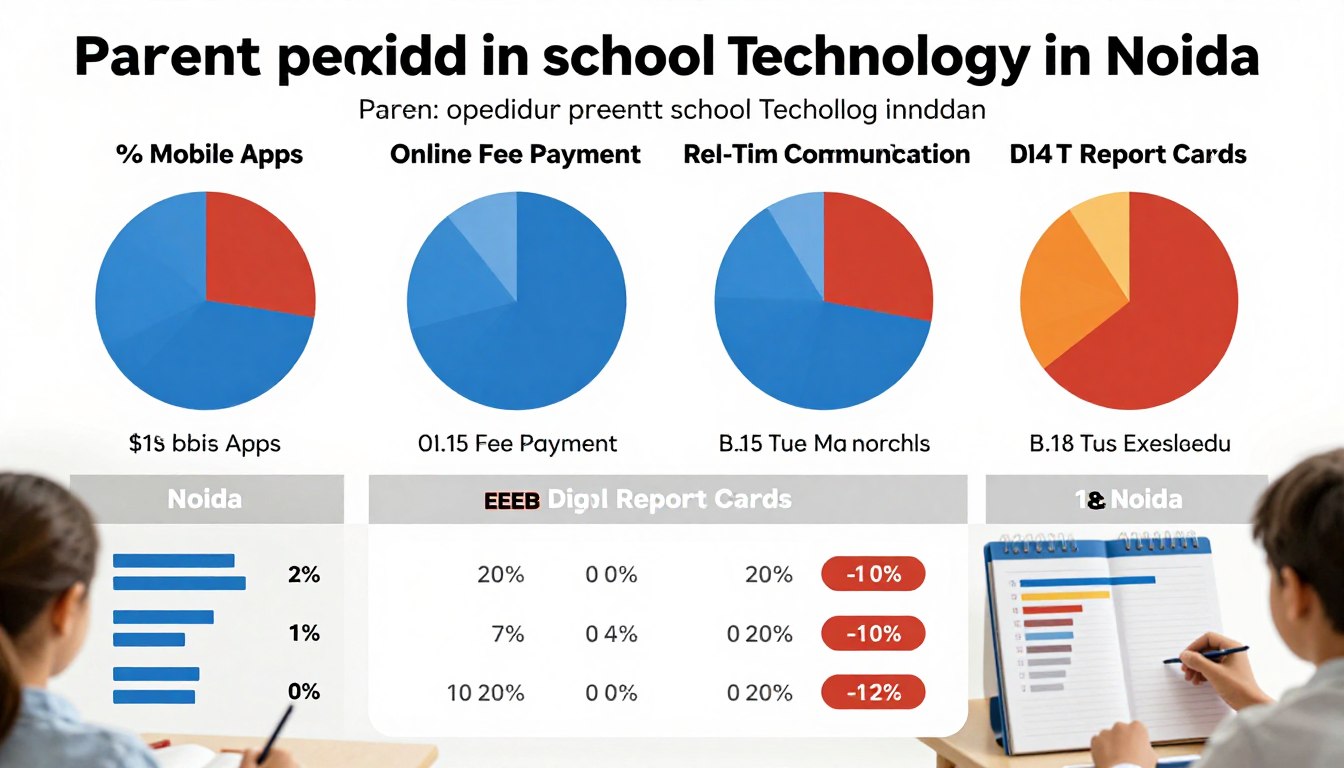
Digital transformation impacts every aspect of educational delivery. Technology enables personalized learning experiences through data-driven insights. Teachers access detailed student performance analytics to identify learning gaps and adjust instruction accordingly.
Communication improvements strengthen school-parent partnerships. Regular updates about academic progress and school activities keep parents engaged. This transparency builds trust and creates supportive learning environments extending beyond classrooms.

Schools face several obstacles during digital transformation. Initial resistance from staff accustomed to traditional methods represents a common challenge. Comprehensive training and change management strategies help overcome this resistance.
Budget constraints limit technology investments for some institutions. However, cloud-based software with subscription pricing makes digital tools accessible without large capital expenditures. Schools can start with essential features and expand gradually.
Common Implementation Mistakes: Rushing implementation without adequate planning, insufficient training, choosing software based on price alone, and neglecting change management. Avoid these pitfalls through careful preparation and stakeholder engagement.
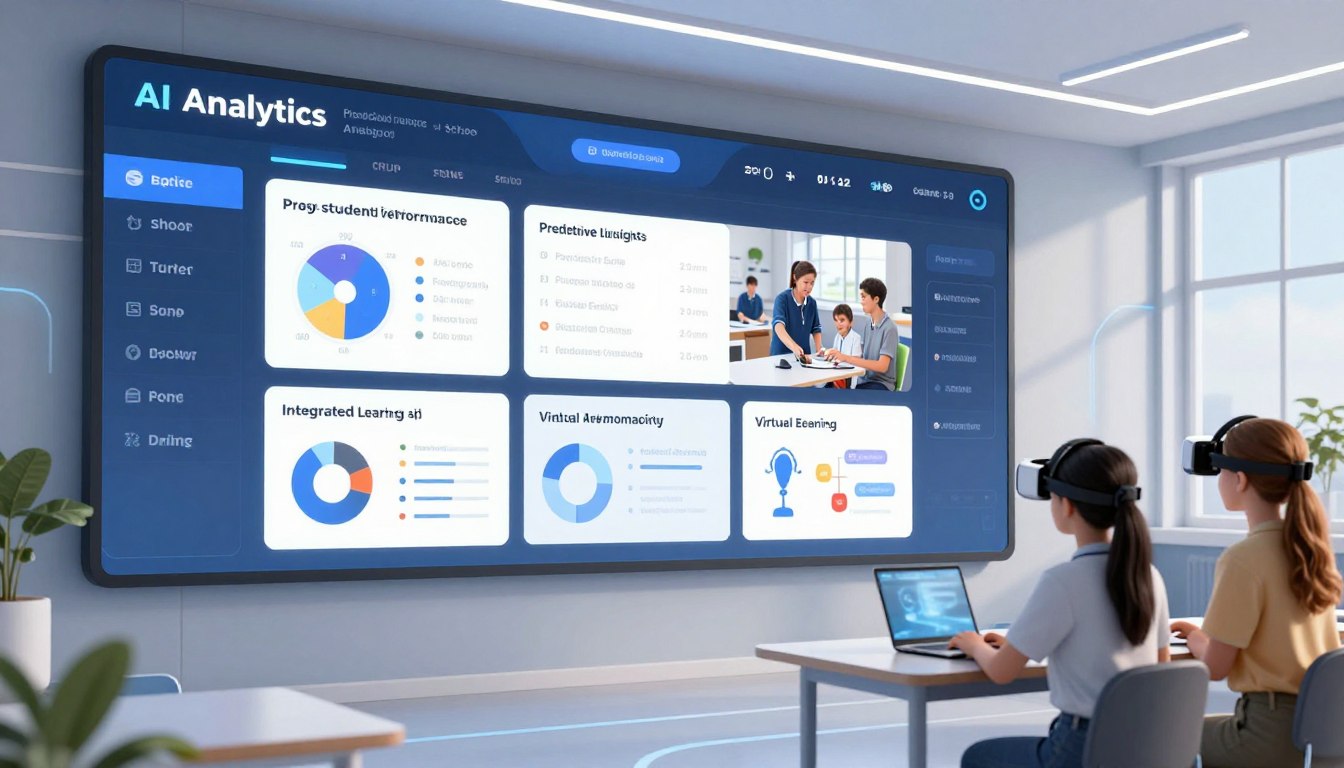
Artificial intelligence and machine learning will transform school management software capabilities. Predictive analytics will identify at-risk students before problems escalate. Automated insights will support administrative and academic decision-making.
Integration between management systems and learning platforms will deepen. Unified platforms will connect administrative operations with curriculum delivery seamlessly. This convergence will provide holistic views of student experiences and outcomes.
Mobile-first approaches will dominate as smartphone penetration increases. Parents and teachers will expect comprehensive functionality through mobile applications. Voice interfaces and chatbots will provide instant support for common queries.
Real-world examples demonstrate how school management software transforms educational institutions. These success stories from Noida schools illustrate practical benefits and implementation approaches. Learning from peer experiences helps set realistic expectations.
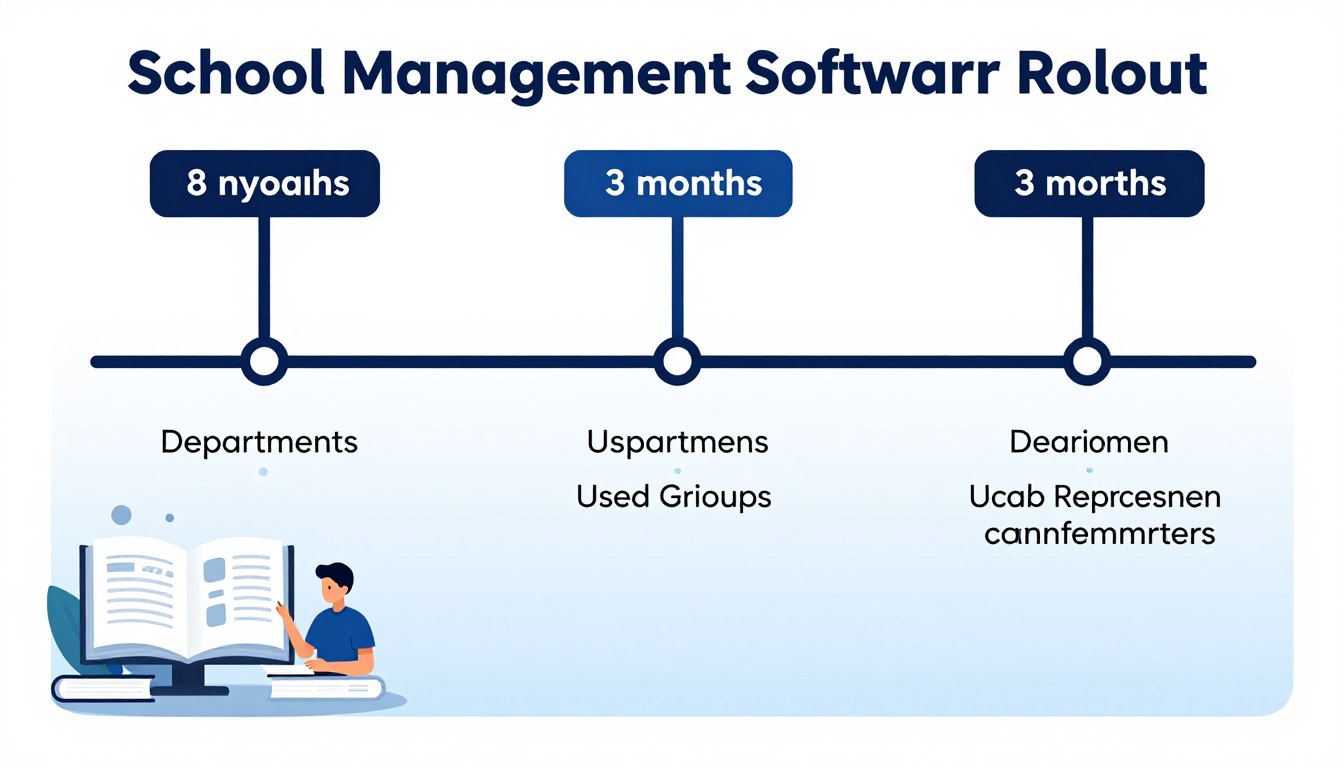
A prominent CBSE school in Sector 62 with fifteen hundred students implemented comprehensive school ERP software. They replaced completely manual operations with integrated digital systems. The transformation took three months with phased rollout across departments.
"Administrative efficiency improved dramatically after implementing school management software. Tasks that took hours now complete in minutes. Our staff can focus on educational quality rather than paperwork."
An international school starting with three hundred students needed software that could scale with rapid growth. They selected cloud-based school management software with flexible per-student pricing. The system accommodated expansion to eight hundred students within two years.
Multi-currency support handled international fee structures. The system adapted to Cambridge IGCSE curriculum requirements. Parents appreciated the mobile app providing 24/7 access to student information from anywhere globally.
A small private school with two hundred students sought affordable digital solutions. They implemented budget-friendly school management software focusing on essential features. The investment paid for itself within one year through efficiency gains and improved fee collection.
ROI Achievement: The school recovered their annual software investment through reduced administrative costs, eliminated paper expenses, and improved fee collection within the first academic year itself.
A coaching institute preparing students for competitive examinations needed specialized capabilities. They implemented software with integrated test series management and performance analytics. The system tracked student progress across multiple courses and batches efficiently.
Automated test scheduling and result processing saved significant administrative time. Parents received detailed performance reports after each test. This transparency increased enrollment through positive word-of-mouth recommendations.
School management software pricing varies widely based on features, deployment model, and school size. Budget-friendly options start around ₹20,000 annually for small schools. Mid-market solutions range from ₹100,000 to ₹500,000 annually. Enterprise systems for large institutions can cost ₹500,000 to ₹2,000,000+ yearly.
Cloud-based systems typically charge per-student fees ranging from ₹50 to ₹500 per student annually. On-premise solutions require larger upfront investments but lower ongoing costs. Always consider total cost of ownership including implementation, training, and support beyond licensing fees.
Implementation timelines depend on school size, data complexity, and chosen software. Small schools with basic requirements typically need four to six weeks. Medium-sized institutions generally require eight to twelve weeks. Large schools or those with complex requirements may need three to six months.
The timeline includes planning, data migration, system configuration, training, testing, and go-live phases. Schools can accelerate implementation by preparing data in advance and ensuring staff availability for training. Vendors with local presence in Noida often complete implementations faster through on-site support.
Most modern school management software offers integration capabilities with common third-party systems. Payment gateway integration enables online fee collection. Biometric device compatibility allows automated attendance tracking. SMS gateway integration facilitates parent communication.
Accounting software integration streamlines financial operations. Learning management system connections support blended teaching. Ask vendors specifically about integrations important for your institution. Some providers offer API access for custom integrations with specialized systems you already use.
Reputable school management software providers implement robust security measures protecting student data. Look for features including encrypted data transmission, secure data centers, regular backups, and role-based access controls. Verify that providers comply with data protection regulations.
Cloud-based systems often provide better security than school-managed servers through professional data center facilities, redundant systems, and security expertise. Ask about data center locations, backup procedures, and disaster recovery plans. Ensure contracts clearly define data ownership and access policies.
Comprehensive training programs are essential for successful implementation. Most vendors provide initial training during implementation covering system basics and user-specific features. Training typically includes administrator sessions, teacher workshops, and support staff orientation.
Look for providers offering ongoing training resources including video tutorials, user manuals, and webinars. Some vendors provide dedicated account managers for larger schools. Local Noida-based providers often offer on-site training which proves more effective than remote sessions. Verify training availability in your preferred language.
Modern school management systems typically include mobile applications for parents. These apps provide access to student attendance, examination results, fee payment options, and school communications. Parents receive push notifications for important updates and can communicate with teachers directly.
Verify that apps support both Android and iOS platforms. Check features available in mobile apps versus web portals. Some systems offer separate apps for teachers and students in addition to parent apps. User-friendly interfaces and reliable functionality significantly impact parent satisfaction with school technology.
Data portability protects your investment when changing software providers. Before selecting software, verify data export capabilities and formats supported. Ensure you can extract complete student records, fee history, and other critical information in standard formats like CSV or Excel.
Review contract terms regarding data access after subscription ends. Reputable providers facilitate data export without restrictions. Avoid vendors who lock data in proprietary formats. Cloud-based systems typically provide easier data export than on-premise solutions. Maintain regular backups independently of vendor systems as additional security.
Cloud-based school management software typically requires minimal IT expertise for daily operations. Vendors handle system maintenance, updates, and technical infrastructure. Small to medium schools can manage with administrators receiving proper training without dedicated IT staff.
Large institutions may benefit from having IT personnel for user support and advanced configurations. On-premise solutions require more technical expertise for server management and security. Consider your school's technical capabilities when choosing between cloud and on-premise deployments. Vendor support quality significantly impacts internal IT requirements.
Multi-branch management capabilities vary across different school management systems. Enterprise-level solutions typically support multiple branches with centralized administration and individual branch autonomy. Each branch maintains separate student records while sharing common configurations.
Consolidated reporting across branches helps educational groups monitor overall performance. Verify that software can handle branch-specific fee structures, calendars, and staff. Some systems charge per branch while others include multi-branch support in base pricing. Choose solutions designed for multi-location operations if you plan expansion.
Ongoing support quality significantly impacts long-term satisfaction with school management software. Verify support channels available including phone, email, chat, and on-site options. Check support availability timings especially during critical periods like examinations or admissions.
Understand response time guarantees for different priority levels. Some vendors offer dedicated account managers for premium support tiers. Local Noida-based providers often deliver faster support through physical presence. Review online resources available including documentation, video tutorials, and user forums. Regular software updates addressing bugs and adding features demonstrate vendor commitment to product improvement.

Selecting school management software represents a significant decision impacting your institution for years. The right choice streamlines operations, improves communication, and enhances educational delivery. Poor choices lead to frustration, wasted resources, and operational disruptions.
Schools in Noida have access to excellent software options across various price points and feature sets. Success depends on thorough evaluation aligned with your specific requirements. Involve stakeholders, test thoroughly, and choose providers committed to long-term partnerships.
Document current challenges and desired improvements before evaluating software options. Involve teachers, administrators, and other stakeholders in requirements definition.
Never select software without comparing alternatives. Request demonstrations and trial access from multiple providers to make informed comparisons.
Successful implementation requires thorough planning, adequate resources, and realistic timelines. Rushed implementations often fail despite good software.
Choose vendors committed to ongoing support and product development. Software relationships extend years beyond initial implementation.
Digital transformation begins with commitment from school leadership. Secure buy-in from principals, administrators, and management committees. Allocate adequate budget recognizing software as investment rather than expense.
Start the evaluation process early allowing time for thorough research. Schools beginning searches during academic sessions can implement during summer breaks. This timing minimizes disruption to ongoing operations.
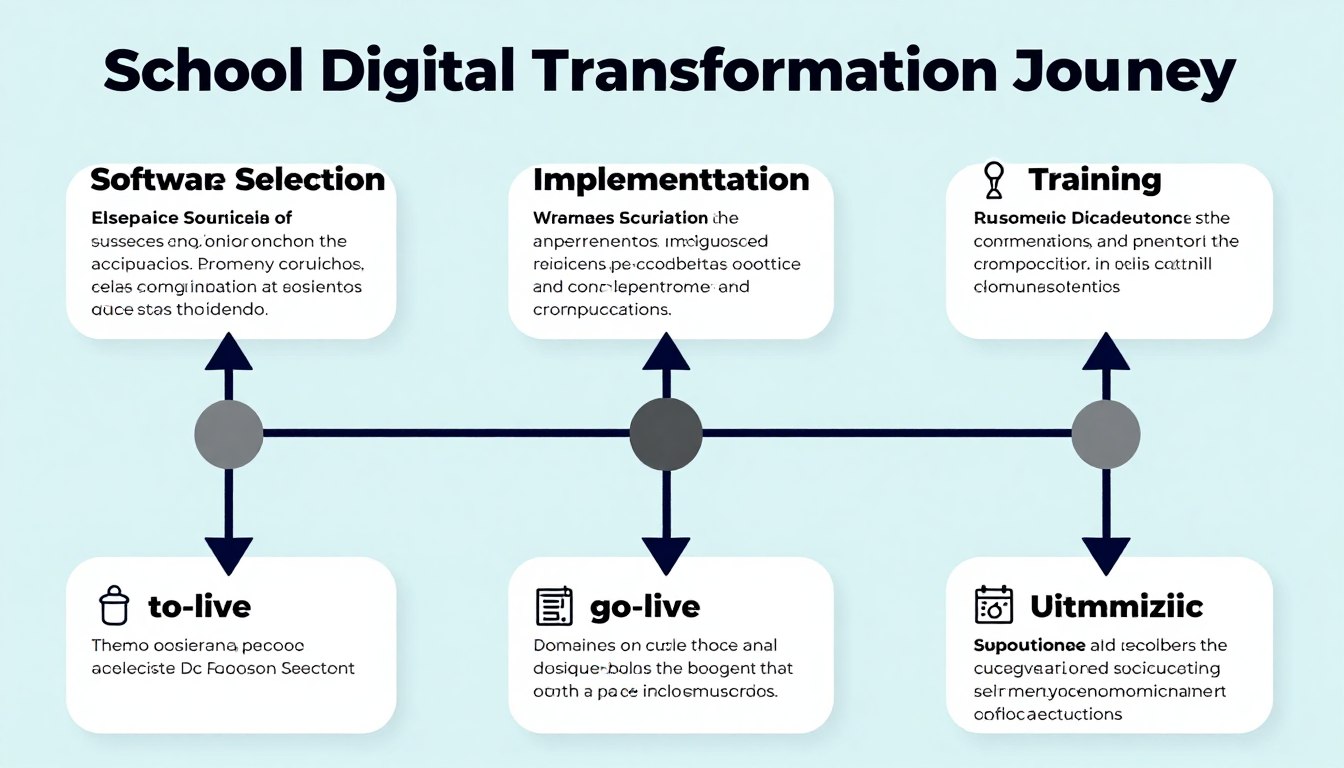
Engage with multiple vendors through demonstrations and discussions. Ask detailed questions about features, implementation, and support. Speak with reference schools to learn from their experiences. This due diligence prevents costly mistakes.
Schools embracing digital transformation gain significant competitive advantages in Noida's educational market. Parents increasingly select schools offering modern conveniences and transparent communication. Digital capabilities directly impact enrollment and retention.
Operational efficiency from school management software allows resource reallocation toward educational quality. Teachers spend less time on administration and more time teaching. This focus on core mission ultimately benefits students and improves outcomes.
Early adopters establish reputations as forward-thinking institutions. This perception attracts quality teachers, engaged parents, and motivated students. The digital divide between progressive and traditional schools continues widening.
Ready to modernize your school operations in Noida? Our education technology experts provide free consultations helping you find perfect solutions for your institution's unique needs. Get personalized recommendations and detailed comparisons tailored to your requirements.
Available Monday to Saturday, 9 AM to 6 PM IST. Same-day response guaranteed.
School management software has evolved from luxury to necessity for modern educational institutions. Schools in Noida must embrace digital transformation to remain competitive and meet stakeholder expectations. The investment pays dividends through operational efficiency, improved communication, and enhanced educational delivery.
Choose software aligned with your institution's specific needs and growth trajectory. Prioritize vendor support quality and long-term viability over flashy features. Plan implementation carefully with adequate resources and realistic timelines.
Most importantly, view software as enabler of your educational mission rather than solution itself. Technology supports teachers, administrators, and students in achieving educational excellence. The right school management software becomes invisible infrastructure enabling your team to focus on what matters most: educating students.
Begin your evaluation today. The sooner you implement effective school management software, the sooner you realize benefits of digital transformation. Your school's future success increasingly depends on embracing educational technology thoughtfully and strategically.